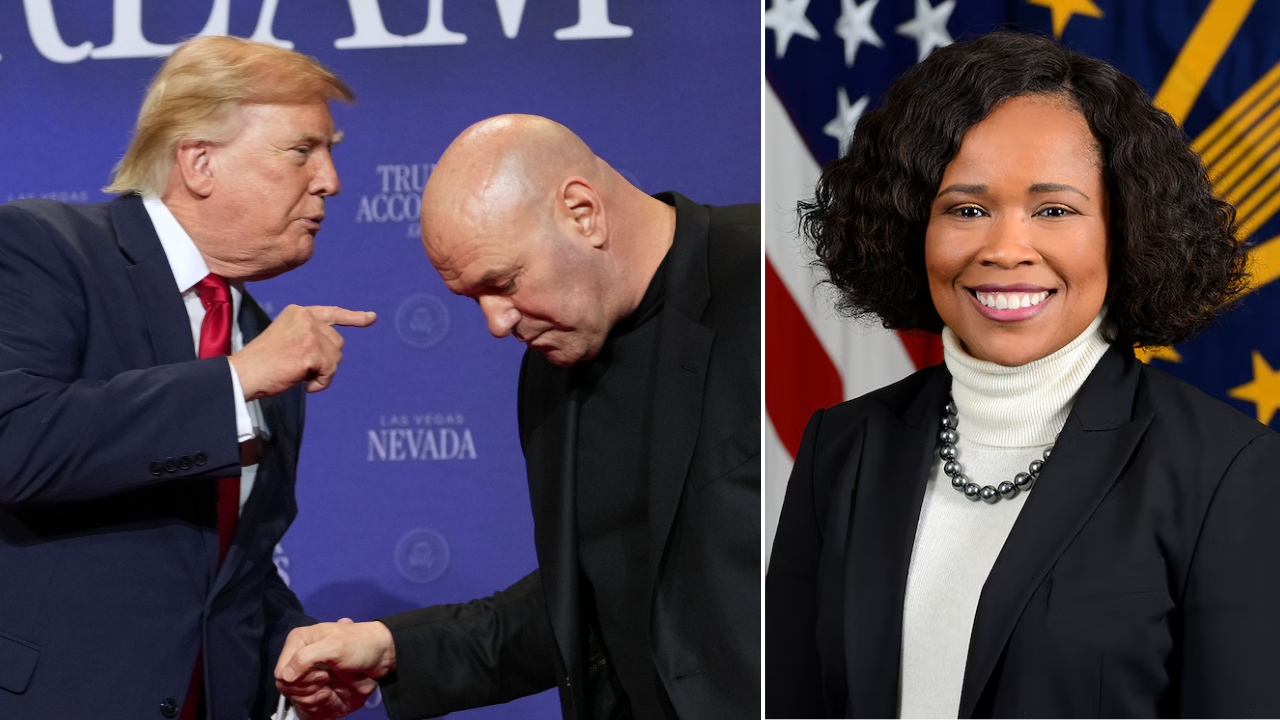
Political rumors spread fast on the internet. A wild story began circulating claiming that Donald Trump intended to appoint a former government official named Dana White to a high profile position, but accidentally offered the job to UFC President Dana White instead.
People immediately started asking if the former president really confused a mixed martial arts promoter with a seasoned foreign policy expert.
Here is the short answer. No, Trump did not mix up the two Dana Whites when assembling his administration team. The story is a classic example of internet satire turning into fake news through repeated retellings across social media platforms.
Understanding how this rumor started shows how easily political satire gets mistaken for reporting.
Where the Rumor About the Dana White Mix Up Came From
The story did not originate from a news leak or an official press release. It started as a satirical commentary piece during a period of intense public focus on presidential appointments and cabinet selections.
Satirical writers love taking advantage of shared names. When two prominent public figures share the exact same name, the setup for a political parody practically writes itself.
One Dana White is the high-profile CEO and president of Ultimate Fighting Championship (UFC). He is a personal friend of Trump, appeared at political rallies, and spoke at the Republican National Convention.
The other Dana White is Dana W. White, a foreign policy expert who served as the Chief Spokesperson for the Department of Defense under Secretary of Defense James Mattis from 2017 to 2019.
A political satire outlet published a joke piece suggesting Trump accidentally dialed the UFC chief when he meant to reach the Pentagon veteran. Social media users took the narrative, stripped away the satirical context, and shared it as a factual event. Within days, millions of people read posts asking if the mix-up actually happened.
Comparing the Two Public Figures Named Dana White
To see why the satire worked so well, you have to look at the massive contrast between the two individuals.
Dana White the UFC President
- Lead figure in combat sports and mixed martial arts for over two decades.
- High visibility public presence with a brash, direct communication style.
- Close relationship with Trump spanning more than twenty years, dating back to UFC events held at Trump Taj Mahal in Atlantic City.
- Zero background in federal governance, diplomacy, or formal policy administration.
Dana W. White the Defense Department Official
- Strategic communications executive with broad international experience.
- Former Director of Policy and Public Affairs for the Senate Armed Services Committee.
- Served as the official spokesperson for the Pentagon during major global operations.
- Professional background rooted in international affairs, national security, and government press operations.
The comedy relied on the idea of a president intending to hire a Pentagon veteran for a national security role, only to mistakenly put a sports promoter in charge of defense strategy. It is funny because the two careers could not be more different. But funny stories are not automatically true.
How Satire Consistently Triggers Political Misinformation
This mix up myth follows a predictable pattern in modern digital media.
First, a comedy site writes a clear parody based on real world names. Next, screenshot accounts repost the headline on platforms like X, Reddit, or TikTok without linking to the original source. Then, readers who scroll past quickly assume the headline describes an actual news event. Finally, commentary channels produce videos reacting to the false claim, solidifying the lie as accepted fact for casual observers.
Fact checkers from major news outlets repeatedly debunked the claim. Official record logs and appointment records show no mix-up ever took place. Trump maintained clear, distinct relationships with both individuals in their respective spheres.
Recognizing Misinformation Before Sharing It
When ridiculous political stories pop up on your feed, you can spot fake claims fast by checking three simple details.
- Check the primary origin. Search for original reporting from established news organizations rather than relying on social media screenshots or unverified political blogs.
- Look for official documentation. Cabinet offers, administration appointments, and advisory roles follow strict public disclosure rules and legal filing steps.
- Identify satire indicators. If a story reads like the plot of a sitcom, verify whether the publisher operates as a humor site before sharing it with friends.
The idea of Donald Trump dialing the wrong Dana White makes for a great viral joke, but it never actually happened. Keeping track of real sources helps separate internet comedy from actual political reality.


