The Persian Gulf is a body of water defined by its narrowness. On a clear day, the distance between the Arabian Peninsula and the Iranian coast feels like something a strong swimmer could conquer, yet the political chasm between them is often ocean-wide. In the early weeks of May 2026, that distance grew even more daunting.
Four men are currently sitting in Kuwaiti custody. Their names have not been splashed across front pages with the celebrity of spies, nor have their faces become icons of a movement. They are, for now, legal ghosts. Kuwaiti authorities claim these four Iranian nationals were part of a "hostile plot," a phrase that carries the weight of lead in the delicate architecture of Middle Eastern diplomacy. Iran, however, looks across that same narrow water and sees something entirely different: a provocation, a misunderstanding, or perhaps a deliberate fabrication.
The Weight of an Accusation
When a state uses the word "hostile," it isn't just describing an action. It is signaling a shift in temperature. For Kuwait, a nation that has spent decades masterfully balancing its role as a mediator between regional giants, the arrest of four foreign nationals on charges of subversion is a departure from the script.
The allegations suggest a breach of trust that goes beyond simple border disputes. We are talking about the "security of the state," a catch-all term that usually implies surveillance, sabotage, or the quiet recruitment of local dissent. But accusations in this part of the world are rarely just about the individuals in the handcuffs. They are messages sent in bottles, intended to be read by ministries of foreign affairs hundreds of miles away.
Iran’s response was swift. It wasn't the slow, bureaucratic mumble one might expect from a massive state machine. Instead, the Iranian Foreign Ministry issued a sharp rejection, calling the allegations "baseless" and demanding the immediate release of their citizens. To Tehran, this isn't a criminal matter. It is a political theater where their people are being used as involuntary actors.
A History Written in Sand and Salt
To understand why four men in a jail cell can cause a regional tremor, you have to look at the floor plan of the Gulf. Kuwait sits in a complicated neighborhood. To its north lies Iraq, and to its east, across the water, lies the Islamic Republic of Iran.
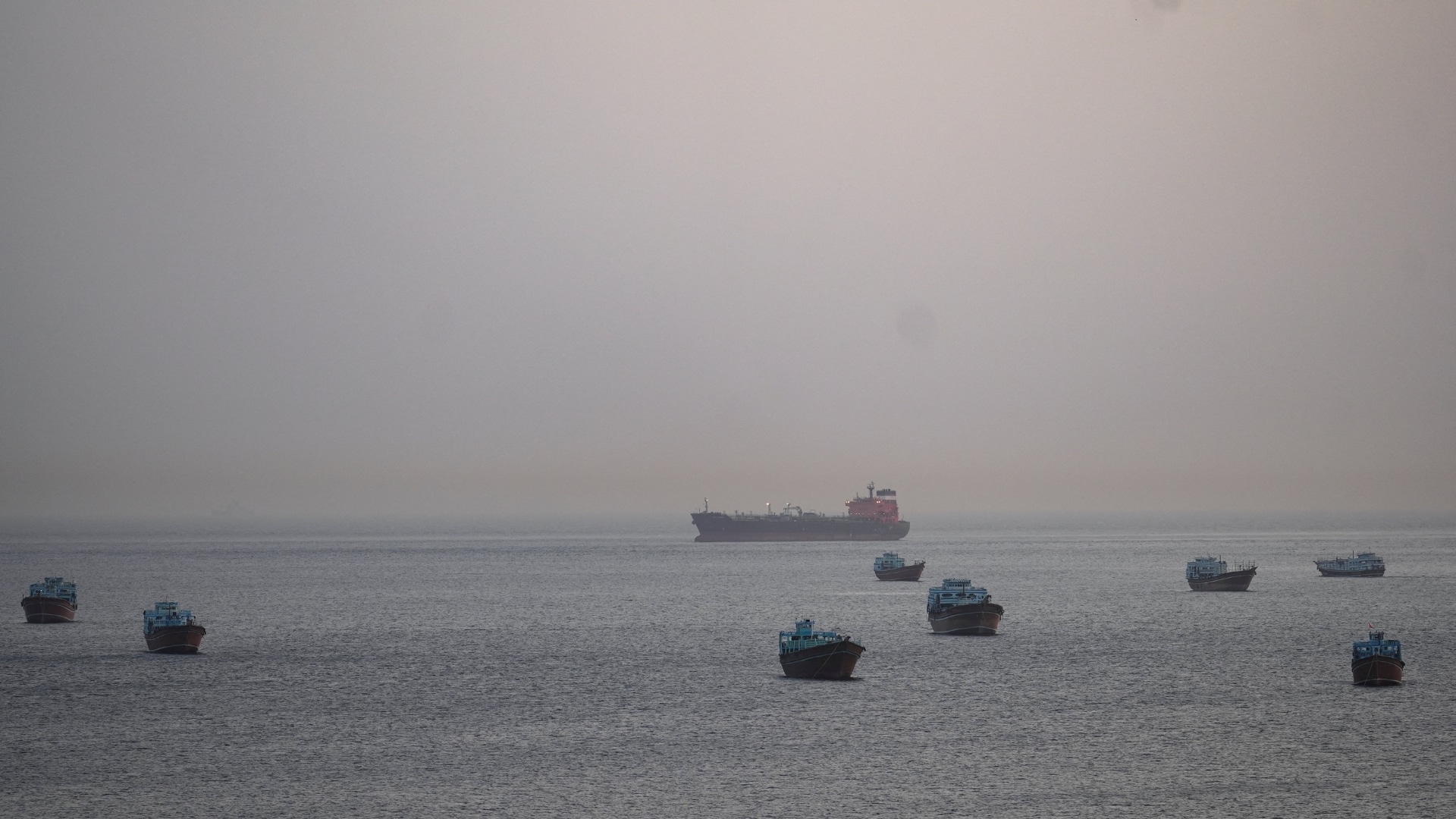
Consider the hypothetical life of a merchant in Kuwait City. For generations, trade has been the heartbeat of the harbor. Dhows—those ancient, wooden sailing vessels—have crisscrossed these waters carrying spices, textiles, and news. In this world, an Iranian is a business partner, a neighbor, or a cousin. But when the geopolitical "high-level" rhetoric begins, the merchant finds that the water between the ports is no longer a highway; it is a barrier.
The tension isn't new. It’s a recurring fever. In 2016, Kuwait scaled down its diplomatic representation in Tehran following the storming of Saudi missions in Iran. Since then, the relationship has been a series of cautious steps forward and panicked stumbles back. Every time the two nations find a rhythm of cooperation, a "cell" is discovered or an "agent" is arrested, and the music stops.
The Human Cost of High Stakes
The four Iranians at the center of this storm are currently experiencing a reality that few of us will ever know. Regardless of their guilt or innocence—a truth currently buried under layers of classified intelligence—they have become symbols. When a person becomes a symbol, they stop being a human with a family, a favorite meal, or a history. They become a "hostile element" or a "wrongfully detained citizen."
The Iranian charge d’affaires in Kuwait has been active, pushing for consular access. This is the legal minimum, the barest thread of connection between a prisoner and their home. But in the shadow of "hostile plot" allegations, even a lawyer's visit becomes a point of contention.
Iran’s rejection of the charges rests on a specific logic: why would they jeopardize a stabilizing relationship with Kuwait? Over the last year, Tehran has been on a charm offensive, attempting to mend fences with its Arab neighbors. From the perspective of the Iranian Foreign Ministry, these arrests feel like a spike driven into the gears of progress. They view the timing as suspicious, the evidence as invisible, and the intent as malicious.
The Invisible Narrators
In every diplomatic crisis, there are voices we don't hear. There are the intelligence officers who provided the tip-off—men and women who live in a world of signals, intercepts, and shadows. There are the families in Iran, waiting for a phone call that might not come for months. And then there are the citizens of Kuwait, who watch their government’s announcements with a mixture of pride in their security forces and anxiety about what comes next.
The "plot" remains a nebulous concept to the public. Was it a plan to disrupt infrastructure? An attempt to influence local elections? Or was it something as mundane as a visa violation escalated into a national security crisis for the sake of optics?
The lack of transparency is the fuel that keeps the fire of suspicion burning. When the Kuwaiti Ministry of Interior remains tight-lipped about the specifics, it allows for a vacuum. And in the Middle East, a vacuum is quickly filled by rumors, propaganda, and old grievances.
The Strategy of the Rejection
Iran’s strategy of "categorical rejection" is a standard tool in the diplomatic kit, but it carries a specific resonance here. By dismissing the claims entirely, Tehran is refusing to even engage with the premise of the Kuwaiti investigation. They aren't asking for a fair trial; they are claiming there is no crime to try.
This puts Kuwait in a difficult position. To back down now would be to admit that their security apparatus made a monumental blunder or, worse, acted in bad faith. To move forward with a high-profile trial is to risk a complete breakdown in communication with a neighbor they cannot afford to ignore.
The stakes are higher than the fate of four men. The stakes involve the flow of oil, the stability of maritime insurance rates, and the silent agreement that keeps the Gulf from boiling over.
The Mirror of History
The ghosts of the "Abdali Cell" still haunt the halls of the Kuwaiti parliament. That 2015 case, where a group was accused of plotting with Iran and Hezbollah, set a precedent for how these stories end: years of legal battles, fractured families, and a permanent scar on the bilateral relationship.
In that instance, the discovery of a massive arms cache made the "hostile plot" narrative easy to sell. In the current case of the four Iranians, the evidence has yet to be produced for public consumption. We are living in the quiet period before the evidence—or the lack thereof—defines the next decade of diplomacy.
It is a game of chess played on a board made of shifting sand. Each move is calculated to show strength without inviting a full-scale confrontation. Kuwait shows its teeth by making the arrests; Iran shows its resolve by slamming the table in protest.
The Fragility of the Status Quo
There is a certain exhaustion that sets in after years of this. For the people living on either side of the water, the news of another "plot" or another "rejection" feels like a familiar, tiring rhythm. It is the sound of a door being slammed over and over again.
We often talk about countries as if they are monolithic entities with single minds. We say "Kuwait thinks" or "Iran feels." But a country is a collection of millions of competing interests. Within the Kuwaiti government, there are likely hawks who want a hard line against Tehran and pragmatists who want the problem to go away quietly. Within Iran, there are those who see the Gulf states as natural partners and those who see them as puppets of Western interests.
The four men in the cell are caught between these internal frictions. They are the friction.
A Sea of Uncertainty
The sun sets over the Gulf, casting a long, golden light that makes the water look solid enough to walk on. It is a beautiful, deceptive sight. Beneath that surface, the currents are complex and dangerous.
The arrest of the four Iranians is a reminder that in this part of the world, peace is not a permanent state; it is a continuous negotiation. It is a fragile bridge built out of words, and right now, those words are being retracted.
Iran demands justice. Kuwait demands security. Neither side seems willing to define what those words mean if it requires giving an inch of ground to the other.
The four men wait. The ministries issue their statements. The dhows continue to sail, though perhaps they steer a few degrees further away from the patrol boats than they did last week. The distance between the shores remains the same, but the journey across has never felt longer.
The water remains still, but the air is heavy with the scent of a storm that hasn't quite arrived, yet refuses to leave.