Hong Kong families don't usually do quiet Sundays, especially when the calendar stacks two massive events on top of each other. This year, Father's Day converged perfectly with the fever pitch of global football tournament broadcasts. The result was a loud, chaotic, and incredibly profitable weekend for local teahouses. While Western marketing playbooks scream about steak dinners and power tools, Hong Kong restaurants proved that the real path to a dad's heart runs through shrimp dumplings and live match streaming.
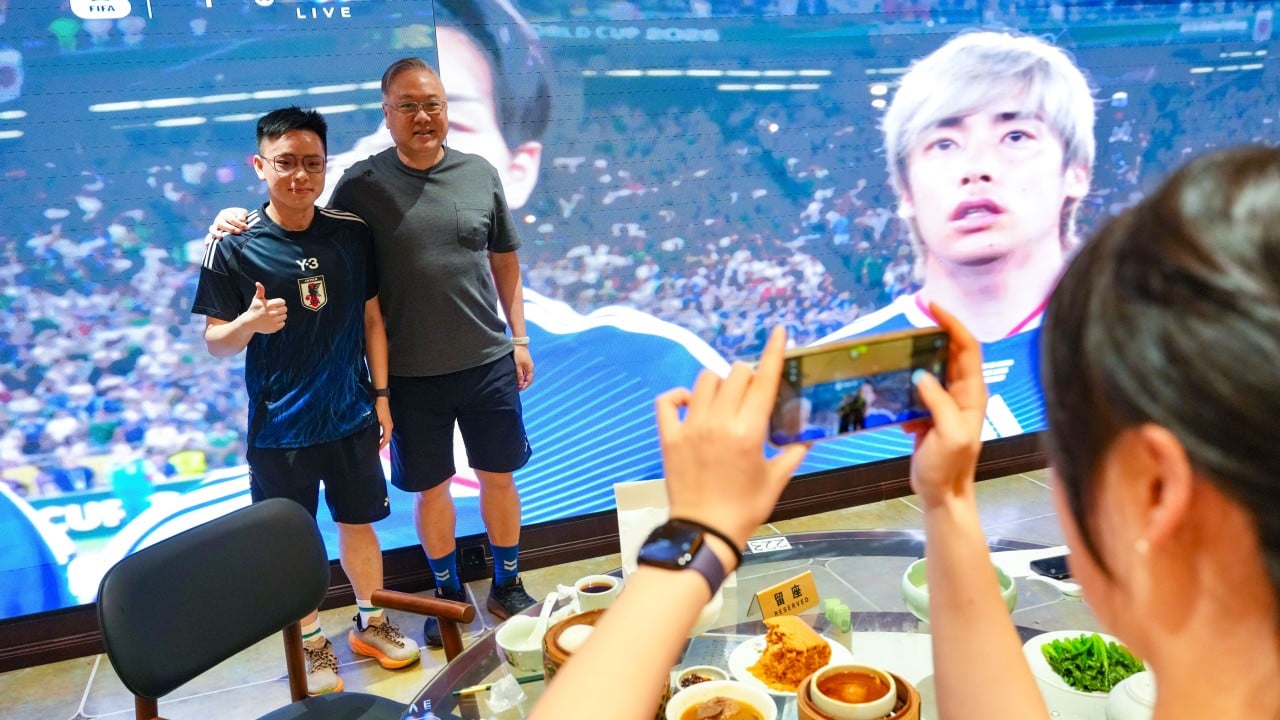
Walk into any major restaurant district in Mong Kok, Causeway Bay, or Tsim Sha Tsui, and the atmosphere hits you instantly. It wasn't just the usual clatter of porcelain cups and bamboo steamers. It was the collective roar of hundreds of families huddled over tables, watching live tournament broadcasts on massive screens or checking scores on their phones between bites of siu mai. Local teahouses didn't just survive the economic pinch this weekend. They absolutely crushed it by giving dads exactly what they wanted.
The Brilliant Pairing of Dim Sum and Live Football
The traditional yum cha ritual is inherently social. It's built for long conversations, loud table sharing, and hours of picking at small plates. That makes it the perfect vehicle for watching sports. Hong Kong catering managers noticed a massive trend early on where booking requests explicitly asked about screen visibility and broadcast schedules.
Smart operators transformed their dining rooms. They didn't just turn on the TVs. They shifted scheduling, offered special afternoon match menus, and made sure staff could talk about the previous night's goals while refilling tea. This active pivot saved what could have been a lackluster dining season. Instead of losing dinners to late-night bars, teahouses captured the morning, afternoon, and early evening crowds who wanted to celebrate family before the midnight matches kicked off.
For most local fathers, the combination is deeply nostalgic. They grew up watching local league games or English matches in cramped apartments. Being able to sit in a spacious restaurant with three generations of family, drinking hot pu'er tea, and arguing about tactical substitutions is peak comfort. It bridges the generational gap effortlessly. Grandfathers, fathers, and teenage kids who barely speak to each other suddenly find common ground when a striker misses an open net.
Why the Old Marketing Strategies Failed Local Dads
Westernized retail campaigns in Hong Kong always try to push luxury watches, expensive shaves, or high-end western steak houses for Father's Day. They miss the cultural mark completely. The average Hong Kong dad is notoriously practical. He hates overpaying for tiny portions of continental food, and he genuinely despises making his family feel uncomfortable in stuffy, quiet dining rooms.
Yum cha works because it strips away that pretension. It is loud by design. If the kids drop a fork or a grandpa laughs too loudly at a televised replay, nobody cares. The ambient noise of a busy teahouse absorbs it all.
Restaurateurs who leaned into this reality saw immediate rewards. Outlets that offered specialized set menus featuring traditional comfort foods alongside craft beers or themed dim sum saw bookings fill up weeks in advance. The data from local restaurant reservation platforms showed a clear trend. Venues promoting sports packages or featuring large projector screens saw an enormous spike in early bookings compared to those offering standard holiday discounts.
Tracking the Economic Surge Inside the Steaming Baskets
The financial impact across the city's food and beverage sector was stark. Retail groups reported that while overall weekend spending has been conservative over the past few months, Father's Day bookings provided a massive, much-needed injection of cash.
- Turnover Rates: High-capacity venues reported table turnover rates hitting four to five times during the day, starting as early as 7:00 AM for the early-bird elderly crowd and stretching past 9:00 PM.
- Average Spend per Table: Average spending per table rose significantly, driven by families ordering premium seafood items, roasted meats, and celebratory alcohol to toast both the dads and their favorite teams.
- Averaged Spending Multipliers: Spending on beverage upgrades, particularly premium teas and local beers, increased by double digits compared to standard weekend averages.
This wasn't just luck. It was a calculated operational victory. Restaurant managers optimized their supply chains to ensure they wouldn't run out of high-demand items like har gow or barbecue pork buns during peak hours. Staffing levels were pushed to the maximum, with part-time workers brought in specifically to manage the faster pace of table clearing and order processing.
How Local Neighborhood Outlets Out-Paced Luxury Venues
The real winners of the weekend weren't the Michelin-starred establishments in central business districts. The victory belonged to the multi-story neighborhood teahouses in residential hubs like Sha Tin, Tsuen Wan, and Kwun Tong.
These local institutions understand their clientele deeply. They know that a family celebrating Father's Day in a residential district wants reliability, speed, and massive portions. By keeping prices reasonable while adding high-definition screens to every corner of the dining floor, they captured the massive wave of domestic spending.
Families opted to stay local rather than traveling to high-end tourist zones. This kept neighborhood economies vibrant. It also allowed dads to relax completely without worrying about long commutes or difficult parking after a heavy meal. These neighborhood venues acted as community viewing lounges, creating a shared communal energy that you simply cannot replicate in an upscale, quiet dining room.
The Operational Playbook for Future Holiday Highlights
Other retail and catering sectors should study what happened this weekend very closely. The success of the dim sum and football combination proves that cultural relevance will always beat generic holiday promotions. You cannot simply slap a "Happy Father's Day" sticker on a menu and expect people to show up anymore. Consumers want experiences that align with their actual lifestyles and current interests.
If you run a business in Hong Kong, your next steps require a total shift in how you plan for major calendar events.
First, look at what else is happening in the world during that specific week. Is there a major tournament, a highly anticipated movie release, or a unique cultural phenomenon? Map your offerings directly to that external energy.
Second, stop trying to force consumers into formal environments if their natural preference leans toward casual comfort. Create spaces where families can celebrate naturally without feeling restricted by old-school etiquette or overly quiet settings.
Third, make sure your digital presence matches your physical reality. The teahouses that won the weekend were the ones actively updating their social media feeds with broadcast schedules, table availability, and direct booking links that took less than thirty seconds to complete. They made the logistics completely painless for busy families trying to coordinate multiple schedules on a hectic Sunday afternoon.