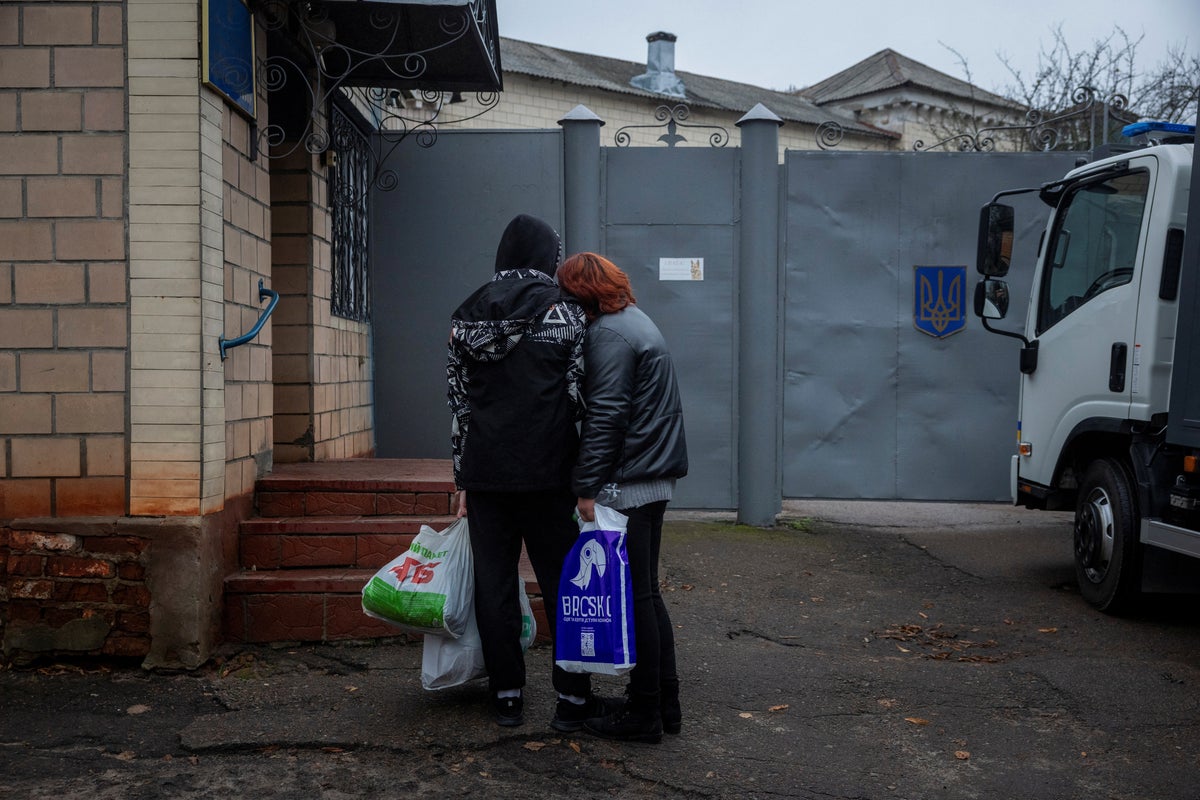
Russian intelligence services have shifted their focus from high-level espionage to a more cynical and decentralized strategy: using social media to turn Ukrainian teenagers against their own infrastructure. This is not about ideology. It is about exploitation. By dangling small sums of cryptocurrency or electronic transfers in front of minors, handlers from the FSB and GRU are orchestrating a wave of arson and sabotage across Ukraine. These adolescents, often unaware of the geopolitical weight of their actions, find themselves caught in a trap that leads directly to prison sentences of up to fifteen years.
The Gamification of Sabotage
The recruitment process begins in the corners of the internet where teenagers feel most at home. Telegram channels, Discord servers, and underground gaming forums have become the primary hunting grounds. This is a low-stakes environment for the recruiters. They do not need sophisticated hackers or trained operatives. They need someone with a smartphone and a bottle of flammable liquid.
Recruiters typically post ads for "easy work" or "quick money." The tasks start small. A teenager might be asked to spray-paint a specific symbol on a wall or photograph a local government building. These initial chores serve as a vetting process to see who is willing to follow instructions and who can navigate the digital payment systems required to receive their reward. Once the trust is established, the tasks escalate.
The targets are almost always logistical. Military vehicles, electrical substations, and postal vans are the preferred choices. The recruiters provide specific instructions on how to conduct the arson and, crucially, demand video evidence of the act. This video serves two purposes. It proves the task was completed for payment, and it provides the Russian services with propaganda material to suggest internal unrest within Ukraine.
A Business Model Built on Desperation
War creates economic voids, and teenagers are often the most vulnerable to the allure of fast cash. The amounts being offered are trivial to a state-run intelligence agency—often ranging from $100 to $1,000—but to a fourteen-year-old in a frontline city, it feels like a fortune.
Russian handlers operate with a cold, corporate efficiency. They treat these recruits as disposable assets. There is no long-term plan for the teenagers. There is no extraction strategy when the Ukrainian Security Service (SBU) inevitably closes in. The moment a teen is arrested, the Telegram account on the other end of the chat disappears. The "employer" vanishes, leaving a child to face adult charges of treason or sabotage.
This decentralized approach makes the networks incredibly difficult to dismantle. When a traditional spy ring is broken, the intelligence services can follow the thread up the chain of command. In this model, the chain is broken by design. The teenagers do not know who they are working for. They only know a username and a crypto wallet address.
The Psychological Hook
The recruiters are skilled manipulators. They don't lead with talk of "The Great Motherland" or political realignment. They lead with the thrill of the hunt. They frame the sabotage as a game or a dare. For a generation raised on high-stakes video games, the transition from virtual destruction to real-world arson can feel disturbingly fluid.
By the time the reality of the situation sets in, the teenager is usually too deep to pull out. The recruiters often use the evidence of the first small crimes to blackmail the recruit into larger ones. If a teen tries to stop, the handler threatens to send the initial photos of the vandalism to the local police. It is a classic grooming technique repurposed for wartime sabotage.
The Legal Trap
The Ukrainian legal system has been forced to adapt to this new reality, and the results are grim. Under martial law, acts of sabotage against the military or critical infrastructure carry heavy penalties. There is little room for leniency, even when the perpetrator is a minor. The state's priority is deterrence. If the youth of the country believe they can burn military ambulances for pocket change and get off with a warning, the internal security of the nation collapses.
Law enforcement agencies like the SBU have increased their monitoring of the digital platforms where these recruitments happen. They are catching dozens of teens every month. These are not hardened criminals. These are kids who were lured by the promise of a new iPhone or a pair of sneakers. The tragedy is that by the time they realize they are pawns in a much larger and deadlier game, their lives are effectively over.
Countermeasures and the Limits of Surveillance
Ukraine is attempting to fight back with more than just arrests. Public awareness campaigns aimed at parents and teachers highlight the warning signs of digital recruitment. They urge adults to monitor their children's sudden influx of cash or secretive behavior on messaging apps. However, the sheer volume of digital traffic makes total prevention impossible.
The Russian strategy relies on the law of large numbers. If they message a thousand teenagers and only ten respond, they have ten potential saboteurs. If five are caught, they still have five active assets. The cost to Russia is nearly zero. The cost to Ukraine is the destruction of its infrastructure and the lost future of its youth.
This is the evolution of hybrid warfare. It is cheap, it is scalable, and it is profoundly cruel. It turns the natural rebelliousness and financial insecurity of adolescence into a weapon of war.
Parents are being told to watch for specific indicators. A child who suddenly has multiple Telegram accounts or uses "burners" is a red flag. Sudden interests in the locations of military hospitals or energy facilities are even more concerning. The conversation has moved from "don't talk to strangers" to "don't accept money from usernames."
The digital border is more porous than any physical frontline. While the world watches tank battles and drone strikes, the quiet subversion of a nation's youth continues one encrypted message at a time. The battle for the loyalty and safety of these teenagers is just as vital to the survival of the state as the defense of any city.
Verify every digital interaction your child has with anyone offering financial incentives for "favors" or "missions."