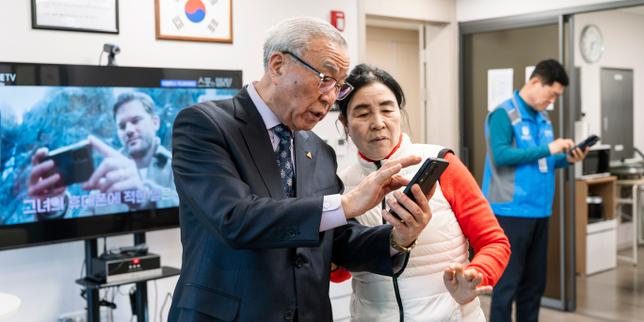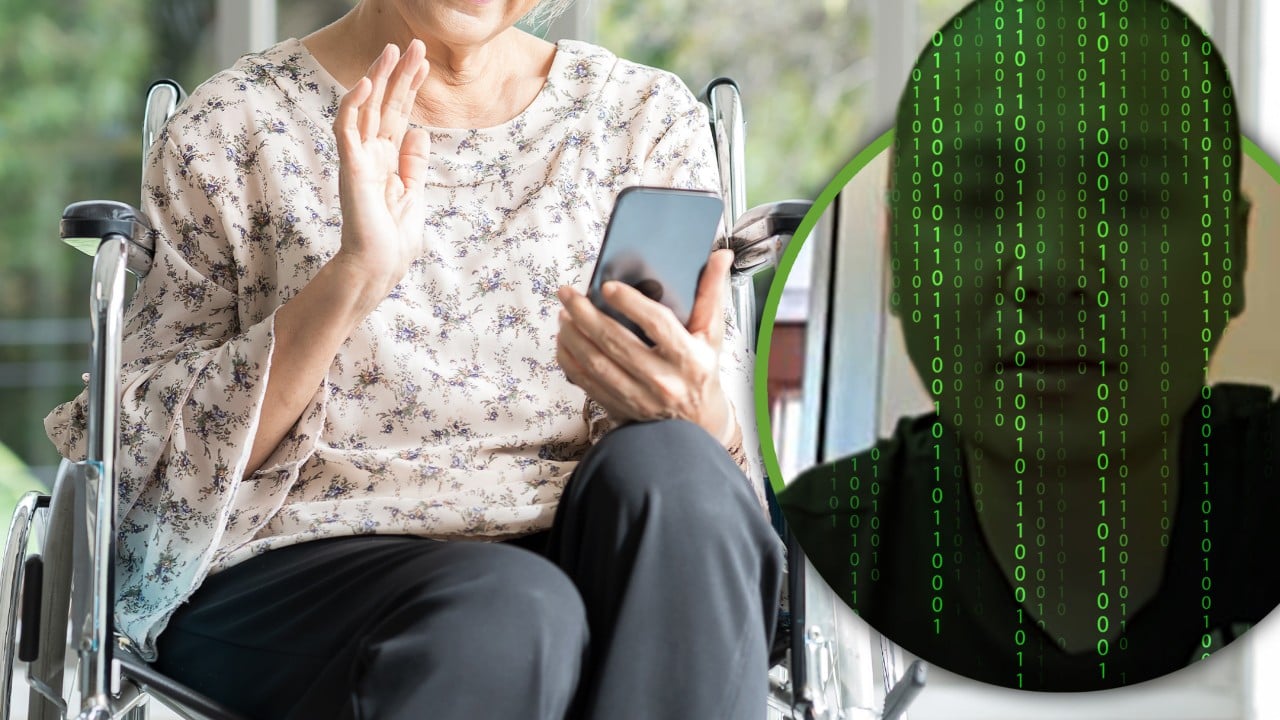
The emergence of "grief tech"—specifically the use of generative AI to reconstruct deceased individuals—represents a fundamental shift in the bereavement process from a psychological state to a managed digital service. When a family in China recreates a deceased son to comfort an elderly mother, they are not merely using a tool; they are deploying a synthetic proxy designed to interrupt the natural decay of memory. This intervention operates at the intersection of large language models (LLMs), deepfake synthesis, and the "ghost robotics" market, creating a new economic and ethical frontier where the dead remain active participants in the lives of the living.
The Three Pillars of Synthetic Reconstitution
To understand how a family successfully "clones" a relative, one must look past the emotional narrative and analyze the technical requirements for high-fidelity digital mimicry. The process relies on three distinct layers of data processing: Also making headlines in related news: Singapore Is Buying a Robotaxi Dead End.
- The Behavioral Archetype (LLM Fine-tuning): The core of the digital twin is a text-based model trained on the decedent’s digital footprint. This includes chat logs, emails, and social media posts. The goal is to capture "linguistic fingerprints"—specific idiosyncratic speech patterns, recurring metaphors, and syntax structures unique to the individual.
- The Biometric Shell (Deepfake Synthesis): Visual and auditory data (videos and voice notes) are processed through Generative Adversarial Networks (GANs). This creates a photorealistic avatar capable of real-time lip-syncing and emotional expression. The bottleneck here is the "Uncanny Valley" effect, where minor deviations in micro-expressions trigger a visceral rejection in the human observer.
- The Contextual Interface: This is the logic layer that allows the AI to react to current events. For the AI to be "convincing" to an elderly parent, it must not only sound like the deceased but also respond logically to new information provided by the user, such as "How was your day?" or "Are you eating well?"
The Cost Function of Digital Immortality
The decision to implement a synthetic proxy involves a high-stakes calculation regarding the Psychological Maintenance Cost. While the initial financial cost of these services is dropping—with some Chinese firms offering basic avatars for under $300—the long-term cognitive load on the survivors remains unquantified.
Standard bereavement follows a trajectory of "meaning-making" through absence. The introduction of an AI clone creates a persistent presence that halts this trajectory. For the elderly mother in the reference case, the AI acts as a digital anesthetic. While it mitigates acute trauma, it creates a dependency on a simulated reality. The utility of the AI is measured by its ability to prevent "Grief-Induced Cognitive Decline" in the elderly, yet the risk of "Terminal Disillusionment"—the moment the AI fails or the service provider shuts down—poses a secondary, potentially more severe trauma. More insights on this are covered by The Next Web.
The Bottleneck of Data Scarcity
The fidelity of a digital twin is strictly limited by the volume of historical data. We categorize these into two classes of deceased individuals:
- Data-Rich Subjects: Younger generations with extensive social media archives, voice recordings, and video logs. These individuals can be reconstituted with a high degree of nuance.
- Data-Poor Subjects: Older generations or those with minimal digital footprints. Reconstructing these individuals requires "General Personality Templating," where the AI fills gaps with generic cultural data, resulting in a "hollow" avatar that may alienate those who knew the person intimately.
In the case of the deceased Chinese son, the family likely had access to high-quality mobile phone data, enabling a high-fidelity reconstruction. This highlights a growing inequality in the "right to be remembered": digital immortality is becoming a byproduct of digital literacy and historical data hoarding.
Structural Risks in the Ghost Robotics Market
The industrialization of grief creates several systemic vulnerabilities that current legal frameworks are unprepared to address.
The Problem of Post-Mortem Consent
Most digital twins are created without the explicit prior consent of the deceased. This introduces a "Digital Corpse" dilemma: who owns the rights to a person's likeness and personality after death? If a family uses a son's likeness to provide comfort, they are effectively repurposing his identity for their own psychological utility. This creates a precedent where the digital self is treated as a transferable asset rather than an extension of the individual’s personhood.
Algorithmic Drifting
Machine learning models are subject to "drift" over time. As the AI interacts with survivors, it may begin to mirror the survivors' expectations rather than the decedent’s actual personality. This creates a feedback loop where the "son" becomes an optimized version of what the mother wants him to be, further distancing the simulation from the historical reality of the person.
Service Continuity and Ransom
When grief is outsourced to a private corporation, the emotional well-being of the family is tied to the company's balance sheet. If the provider goes bankrupt or raises subscription fees, the family faces a "second death" of their loved one. This creates a predatory market dynamic where the emotional switching cost is so high that consumers are effectively locked into a service indefinitely.
The Mechanism of Selective Truth
The use of AI clones in this context relies on a mechanism known as Willful Suspension of Disbelief (WSD). The user is often aware that the entity is an AI, but the brain's emotional centers respond to the biometric triggers (voice and face) as if they were real. This creates a bifurcated consciousness: the mother "knows" her son is dead, but her nervous system is "tricked" into a state of calm by the synthetic stimulus.
This creates a strategic advantage for governments and health systems looking to manage the costs of an aging population. If AI clones can reduce the incidence of depression and loneliness in the elderly, they may be integrated into state-sponsored eldercare programs. However, this replaces human social bonds with simulated interactions, potentially leading to a "Social Erosion" where the incentive to care for the bereaved is diminished by the availability of a technological fix.
Mapping the Global Trajectory
The proliferation of these tools in China is accelerated by a specific cultural confluence: a high value placed on filial piety, a tech-optimistic population, and the lingering demographic effects of the One-Child Policy. In Western markets, the adoption may be slower due to stronger emphasis on individual privacy and a different theological approach to death. However, the economic pressure of the "Silver Tsunami"—the global aging population—suggests that grief tech will become a standard component of the global healthcare and funeral industries within the next decade.
The shift toward synthetic bereavement is irreversible. As the technology moves from static video playback to autonomous, LLM-driven agents, the line between memory and interaction will blur. We are moving toward a world where "death" is no longer a binary state of existence or non-existence, but a spectrum of digital presence determined by data availability, financial capital, and the psychological needs of the survivors.
Strategic Recommendation for Deployment and Regulation
Organizations and individuals navigating this space must move beyond emotional reactions and implement a Synthetic Legacy Framework.
- Mandatory "Digital Wills": Individuals should explicitly state in their legal documents whether they consent to being "reanimated" via AI, specifying the types of data that can be used and for how long the proxy should exist.
- Decoupled Data Ownership: The training data for a digital twin should be held in an escrow or a decentralized vault, preventing service providers from holding a family's emotional stability hostage through proprietary software locks.
- Psychological Triage: AI clones should be treated as a transitional medical device rather than a permanent replacement. Implementation should include a "Fade Out" protocol where the AI's frequency of interaction gradually decreases over several years to facilitate natural grieving.
The ultimate goal of grief tech should not be to keep the dead "alive," but to provide a managed off-ramp for the living. The danger lies not in the technology itself, but in the potential for these digital proxies to become permanent fixtures in the human social fabric, cluttering the world with synthetic ghosts that prevent the emergence of new connections. The market must prioritize "Healthy Attrition"—the intentional, slow removal of the digital twin—to ensure that the living remain focused on the present rather than becoming trapped in a simulated past.