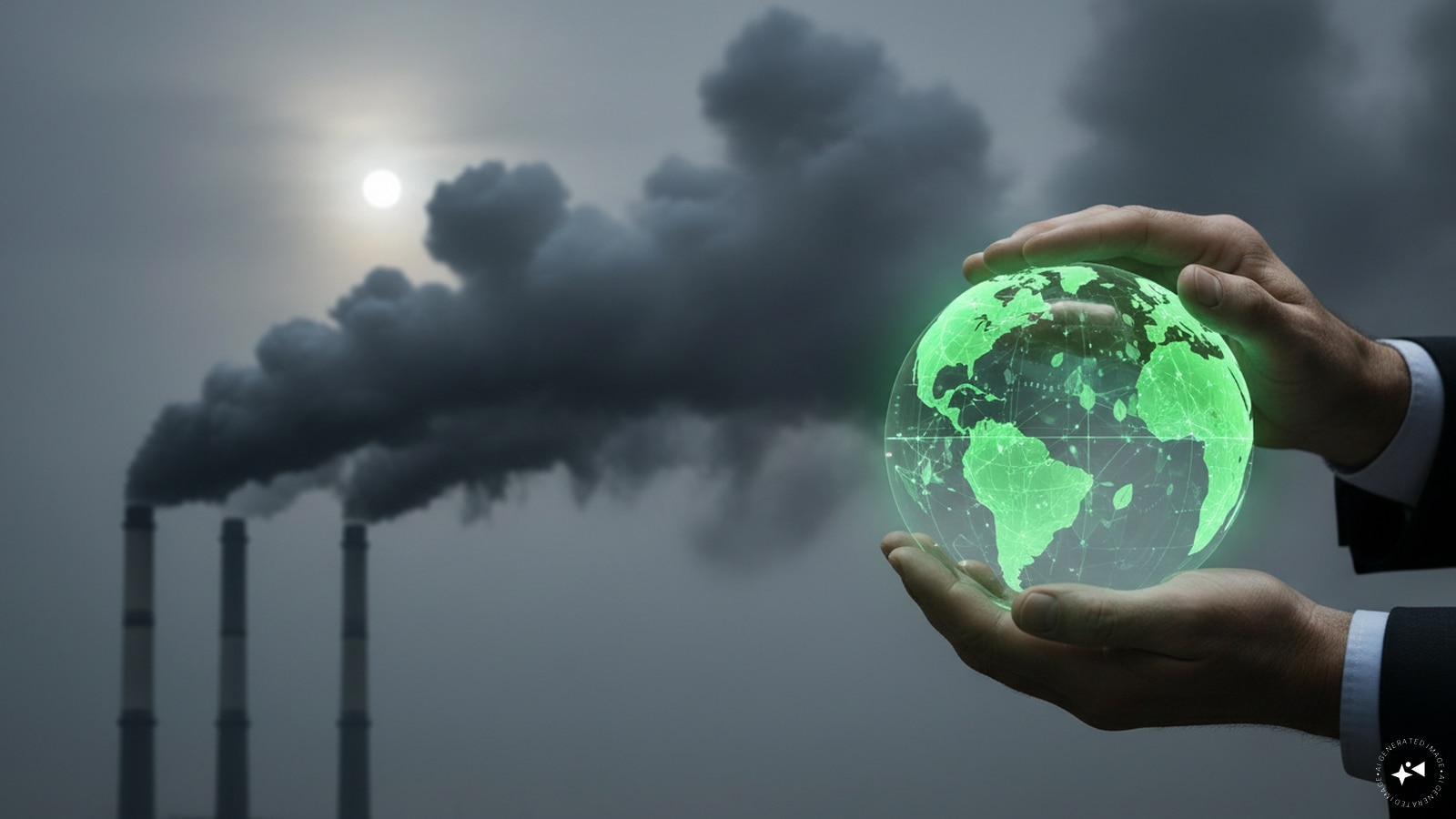
Two hundred years of industrial emissions built rich nations' wealth. Now countries across India and Africa are stuck paying the bill.
At COP31 in Antalya, Türkiye from November 9 to 20, 2026, negotiators spent nearly two weeks arguing over survival math, money that never arrives, and a final cover decision that collapsed without consensus. Developing nations walked into the summit demanding real climate justice. Walk out of those halls, and you can feel why frustration is boiling over.
Honestly, anyone following UN climate summits knows the pattern by now. Big promises get made in speeches, then get gutted in closed-door text edits. Still, Antalya felt sharper because the clock has basically run out on polite compromises.
What Developing Nations Actually Mean by Climate Justice
When diplomats from New Delhi or African capitals talk about climate justice, they aren't speaking in abstract slogans. They mean basic fairness around who caused the problem, who has room left to grow, and who pays when extreme weather wrecks lives and infrastructure.
Under the UN climate framework, countries are supposed to act according to Common But Differentiated Responsibilities and Respective Capabilities—a mouthful that simply says wealthy high-emitters carry a heavier burden than poorer nations with low per-capita emissions. India has hammered that point repeatedly, noting that cumulative historical emissions from developed economies have already eaten up over 80% of the remaining 1.5°C carbon budget.
Think about what that math does to a country still trying to lift hundreds of millions of people out of poverty. If rich nations burned the bulk of the atmospheric budget while building factories, grids, and highways, telling India or African economies to slam the brakes on cheap energy without real financing feels like a trap. Even when India pushes domestic renewables hard, its negotiators refuse to sign onto pledges that ignore historical responsibility or shift the cost of decarbonization onto people who barely caused the warming.
African nations face a slightly different—and often crueler—squeeze. Africa contributes a tiny fraction of global greenhouse gases, yet heatwaves, droughts, floods, and crop failures hit millions of farmers and coastal communities year after year. For African negotiators, climate justice means money for seawalls, drought-resistant seeds, and disaster recovery before more homes wash away, not loans disguised as generosity.
Why COP31 Stalled in Antalya
COP31 was supposed to push the world from talk into delivery after earlier summits set broad frameworks. Instead, the summit ended without agreement on the Presidency-led cover decision, leaving major tensions unresolved.
Right on day one in Antalya, a push by the African Group to put tripling adaptation finance on the formal agenda as a standalone item was blocked. A climate finance work programme got added instead, sparking immediate friction over whether it would focus on developed countries' obligations or broad mobilization.
Then came the fossil fuel standoff. Draft cover text failed to mention transitioning away from fossil fuels, angering climate-vulnerable states and major blocs while still failing to win consensus from petrostates and others pushing back on different parts of the package. Pledges to UN climate funds also looked thin, hitting multi-year lows during the talks.
Here's the mistake a lot of commentators make when talks break down: they treat a stalled UN text as if nothing in the real world is changing. Solar and wind costs keep dropping, and countries like China are pushing low-carbon electrification outward. Yet diplomatic deadlock still matters enormously because public budgets, concessional grants, and loss-and-damage payouts move through political commitments and institutions—not market hype alone.
The Adaptation Finance Gap Nobody Wants to Close
Mitigation gets all the flashy headlines—gigawatts of solar, electric buses, green hydrogen. Adaptation is quieter, dirtier work, and it gets starved of cash.
The earlier target to double adaptation finance to $40 billion a year ran through 2025, and talks in Antalya wrestled over a push to triple adaptation finance while fighting over baselines and where that commitment should sit. For developing nations, that fight isn't technical. It's the difference between building resilient clinics and watching a single cyclone wipe out a district's health system.
In my experience watching policy debates like this, promises to "mobilize billions" sound great in press releases and fall apart on the ground. High-interest loans don't help cash-strapped governments adapt to climate shocks; they just pile debt on top of climate damage. Grants and low-cost finance are what actually protect vulnerable communities, and that's where wealthy governments keep dragging their feet.
Where India and Africa Align—and Where They Diverge
People often lump "the Global South" together as if every developing country wants the exact same deal. Not quite. India and African nations share plenty of common ground on equity, finance, and reform, yet their economic realities don't match 1-for-1.
- Shared ground on equity: Both India and African delegations press developed countries to honor past pledges, respect differentiated responsibilities, and stop shifting climate costs onto poorer populations.
- Different energy profiles: India is a massive industrializing economy balancing rapid power demand, coal realities, and huge solar growth, whereas many African nations have tiny per-capita emissions alongside acute energy poverty and urgent adaptation needs.
- Different leverage at the table: India wields heavy geopolitical and economic weight through coalitions like BASIC, LMDC, and G77+China, while African states often rely on bloc unity like the African Group to keep adaptation and vulnerability from being sidelined.
- Shared frustration with process: When consensus rules let a small group block progress—or when cover drafts water down urgent priorities—developing nations feel the system isn't built to deliver justice fast enough.
There's also a real tension inside developing regions themselves. Fast-growing economies want room to build industry and lift living standards without carbon tariffs or green protectionism tripping them up. Smaller, climate-exposed nations want rapid emissions cuts and immediate cash to survive warming that's already locking in. Keeping that coalition united takes constant diplomacy.
What People Get Wrong About Climate Justice Debates
One common myth is that demanding climate justice is just an excuse to do nothing at home. Look at the numbers and policy shifts across emerging economies: huge renewable buildouts, grid upgrades, and domestic climate plans are happening anyway because cleaner tech and local resilience make practical sense. Justice arguments are about who pays and who gets squeezed, not a free pass to ignore reality.
Another misconception is that UN climate summits are where the final word happens. COP31 showed the limits of consensus-driven diplomacy when stakes are high and trust is thin. As UN Climate Change Executive Secretary Simon Stiell noted after Antalya, progress happened on certain negotiating tracks, yet failing to agree on the Presidency's cover decision exposed deep fractures and lessons that can't be ignored.
It's also worth being honest about trade-offs. Even if rich countries suddenly paid every dollar advocates ask for, implementation bottlenecks, governance hurdles, and local project capacity still shape whether money turns into real protection on the ground. Accountability has to cut both ways—rich nations must deliver real finance, and recipient systems have to turn funds into working projects without waste.
Practical Ways to Track What Happens Next
If you want to follow this story past the headlines—whether you're a researcher, student, business leader, or citizen—don't wait for the next big summit circus. Track the concrete follow-through instead.
- Read primary UNFCCC and independent analyses: Check official updates from the UNFCCC and track detailed breakdowns from outlets like Carbon Brief to separate diplomatic spin from actual text and funding numbers.
- Watch adaptation grant vs. loan ratios: Whenever you see a big climate finance headline, look closely at whether the money is grants, concessional loans, or commercial debt—and whether it actually goes to adaptation in vulnerable regions.
- Follow domestic policy alongside UN talks: Watch how India, African nations, the EU, and major emitters roll out national climate plans, clean energy supply chains, and trade rules between summits.
- Support local resilience and transparent reporting: Back organizations working directly on community adaptation, climate data transparency, and fair transition policies where accountability is easiest to verify.
Climate justice isn't going away because a summit ended in deadlock. As long as the worst climate hits land hardest on people who did the least to cause them, the fight over fairness will stay right at the center of global politics.


