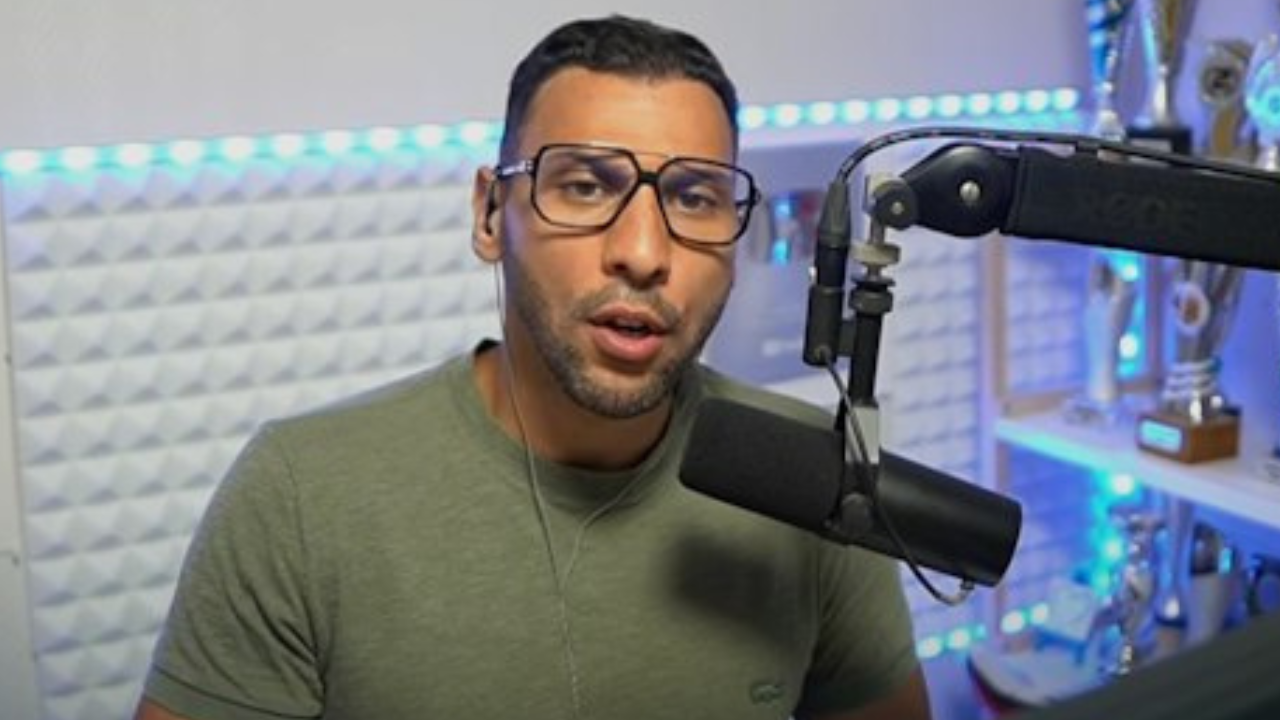
Malek Bennouioua is dead at thirty-five.
The internet is currently awash in the standard, hollow choreography of digital grief. Twitter threads are heavy with clip compilations, generic rest-in-peace platitudes, and the obligatory corporate condolences from tournament organizers who spent years treating independent creators as disposable attention-dispensers. Everyone is posting. Nobody is looking in the mirror.
We treat the gaming and streaming ecosystem as an infinite resource extraction machine. We demand constant output, maximum vulnerability, high-octane entertainment, and flawless emotional availability from people sitting alone in rooms talking to glass lenses. When they break under the weight of that invisible industrial pressure, we act shocked. Then we monetize their obituaries for forty-eight hours of algorithmic engagement before scrolling to the next highlight reel.
It is time to stop pretending this is normal. Malek’s death is not just a tragic personal loss for his family and close friends; it is a systemic indictment of a culture that turns human beings into content cattle.
The Myth of the Accessible Peer
The core illusion of modern streaming is proximity. Viewers believe they know the person on the screen because they share a chat room, subscribe for a few dollars a month, and watch them sweat through triple-overtime matches in real-time.
This intimacy is entirely asymmetrical. The streamer shares their living room, their moods, their health struggles, and their failures with tens of thousands of strangers who offer parasocial validation in return. But validation pays zero health insurance premiums. It does not cure burnout. It does not stop the grinding anxiety of knowing that if you take a week off to sleep, your concurrent viewer count plummets, the algorithm forgets you exist, and your revenue stream evaporates.
We have built an entertainment economy that penalizes rest. In traditional sports, athletes have off-seasons, mandatory medical evaluations, physical therapists, and union protections. In esports and streaming, the off-season does not exist. If you are offline, you are irrelevant. The pressure to grind day after day, year after year, creates a slow-motion psychological disaster zone.
When a creator like Malek passes away young, the immediate reaction from the community is to talk about how much joy he brought to our screens. That is true, but it misses the point entirely. Joy was his product. The cost of production was his life.
The Streaming Grindmill is Killing Its Best Minds
Let us look at the mechanics of what it actually takes to maintain relevance in the Counter-Strike ecosystem as an independent creator.
The barrier to entry is zero; the barrier to longevity is brutal. You are competing against multi-million-dollar esports franchises, venture-backed production houses, and an algorithmic churn that rewards outrage, hyperbole, and endless availability. To stay afloat, creators must monetize their waking hours. They become producers, editors, community managers, public relations agents, and public performers all at once.
When you sit in a chair for eight hours a day staring at a monitor, processing the collective toxicity of global chat rooms while performing high-energy engagement for an audience, your nervous system is in a permanent state of low-grade combat. Cortisol levels spike. Sleep architecture fragments. Physical health degrades into sedentary habits, poor dietary routines, and chronic fatigue.
Yet, any creator who speaks openly about this burnout is frequently met with a toxic brand of audience resentment: "You make money playing games for a living, what do you have to complain about?"
This is the psychological cage that traps digital entertainers. They are shamed into silence about their suffering because public perception equates financial independence with absolute emotional immunity.
Dismantling the Mourning-Industrial Complex
What makes these tragic events so difficult to stomach is the sudden pivot of the industry from indifference to exploitation.
The same platforms and algorithmic structures that incentivize non-stop streaming are the first to host the memorial streams. The same audiences who spam chat with unreasonable demands for hours of daily content are the ones typing heart emojis when the worst happens.
We need to talk honestly about our complicity as consumers. Every time we demand extra hours, every time we complain that a creator is "falling off" because they took a weekend to breathe, every time we reward hyper-grind culture with our views and dollars, we tighten the screw.
Malek Bennouioua deserved a long life, a quiet retirement, and an industry that valued him as a human being before valuing him as a content vertical. Instead, he got thirty-five years of grinding in an ecosystem that treats human expiration dates as business-as-usual.
If we actually cared about honoring creators, we would stop consuming streaming like an open-bar buffet where the staff never gets to leave the kitchen. We would normalize offline time. We would build support systems that actually protect mental health instead of hiding behind superficial hashtag tributes when the inevitable happens.
Until we change how we consume live entertainment, we are just waiting for the next obituary to farm for impressions.
Stop watching the stream long enough to realize there is a human being burning out behind the glass.