The kitchen counter is a graveyard of good intentions.
There sits the floral blouse that looked ethereal in the digital photograph but somehow resembles a Victorian nightshirt in reality. There is the box it arrived in, the heavy brown cardboard armor taped shut with industrial plastic, and next to it, the terrifying physical manifestation of modern consumer anxiety: the return label.
You stare at the label. It is a tiny rectangle of sticky terror. It demands scissors, clear packing tape, a printer that invariably runs out of cyan ink at midnight, and a trip to a fluorescent-lit shipping counter where you will stand in line behind someone attempting to mail a live gecko.
We have all been there. That moment of standing over a package, paralyzed by the sheer bureaucratic friction of giving something back. It is a tax paid in time, frustration, and crumpled paper.
Until now.
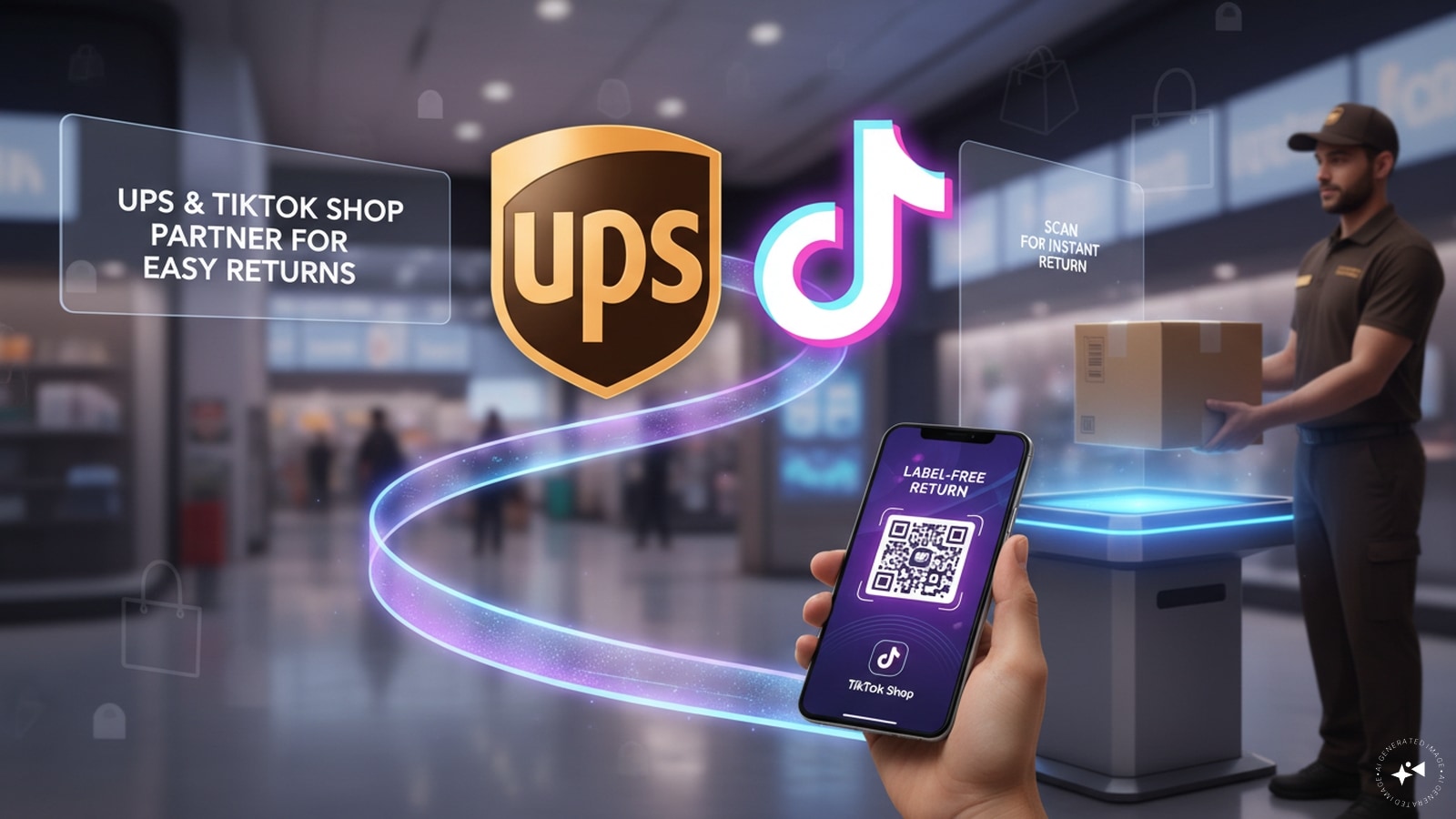
Consider the recent alliance between UPS and TikTok Shop. On paper, it sounds like corporate ledger-speak. A logistics titan partnering with a social video platform for label-free returns. Dry. Technical. Forgettable.
Look closer.
This is not about shipping zones or fulfillment matrices. This is about the psychological release valve of modern commerce. It is about a world where returning a mistake becomes as effortless as making one.
The Anatomy of Buyer Remorse
To understand why a simple barcode change matters, you have to understand the midnight scroll.
It is 11:42 PM. The house is dark. The blue glow of a smartphone screen illuminates a tired face. A creator on TikTok holds up a jade roller, or a clever kitchen gadget, or a pair of trousers that fit with impossible perfection. The creator’s enthusiasm is infectious, engineered by algorithmic design and genuine human charisma. You tap the screen. Two taps later, Apple Pay completes the transaction.
You didn't type a credit card number. You didn't leave your bed. The transaction took three seconds.
That speed is the engine of the modern economy. But friction enters the equation three days later when the package arrives and the fantasy collides with physical reality.
For years, the return process was designed as an intentional deterrent. Retailers and logistics networks built a maze of friction because processing returns is expensive, messy, and economically punishing. They made you print things. They made you find boxes. They made you pay return shipping fees or hunt down specific drop-off windows. The implicit message was clear: You made a mistake, and now you must suffer for it.
That friction created a silent epidemic of closet clutter. Millions of Americans possess drawers full of unworn, unreturned items simply because the barrier to sending them back was higher than the value of the refund. We swallowed the cost rather than face the printer.
What Changes When the Printer Dies
Enter the label-free return.
Imagine walking into a UPS Store with nothing in your hand except your phone. No printed paper. No tape. No box, in many cases. You open an app, pull up a QR code generated by TikTok Shop, and hand the item to an associate. They scan the glowing pixels on your screen. They hand you a receipt. You walk out.
The transaction is over in forty seconds.
This is what happens when a logistics giant marries software-native retail. UPS didn't just sign a contract; they acknowledged that the final mile of shopping is actually the first mile of the next purchase.
When you remove the friction of failure, behavior changes fundamentally. Consumers become more willing to take risks on new creators, untested brands, and unfamiliar products. If buying is frictionless and returning is weightless, the fear of making a mistake evaporates.
Behind the scenes, this requires an extraordinary choreography of data and physical infrastructure. Millions of small packages, originating from impulse buys spawned by thirty-second videos, must be ingested, sorted, consolidated, and routed back to warehouses without ever touching a piece of adhesive tape at the consumer's kitchen table.
It is a silent revolution in reverse logistics.
The Human Cost of Convenience
There is a broader cultural shift happening here. We are moving away from an era where digital tools mimicked physical bureaucracy, and entering an era where physical infrastructure bends to digital habits.
Think about the small business owner in Ohio who seizes viral attention on TikTok. Last year, her biggest bottleneck wasn't making her product; it was the customer service nightmare of confused buyers trying to figure out how to mail returns back to her makeshift workshop. Customers yelled at her via direct message. Returns arrived damaged, improperly labeled, or lost in transit.
By plugging into an enterprise-grade return pipeline that requires zero physical preparation from the end consumer, that small business owner suddenly has the operational backing of a Fortune 500 company. The playing field flattens. A creator in a basement can offer a return experience as smooth as Amazon's.
This changes the psychological contract between buyer and seller. Trust is built not just in the moment of purchase, but in the grace of the exit. When a platform makes it painless to change your mind, it signals confidence in what is being sold.
The Quiet Revolution
We rarely celebrate logistics innovations until they break. When supply chains snap, we notice. When cargo ships get stuck, we panic. But when logistics quietly evolve to remove a tiny, daily annoyance from our lives, it passes like a whisper.
Yet these are the changes that permanently alter our daily rhythms.
The printer is gathering dust. The packing tape sits unused in the junk drawer. The floral blouse is back in transit, refunded before you even finished your morning coffee, leaving behind no trace of regret—only a clean slate, a glowing screen, and the quiet, seductive hum of the next video beginning to play.