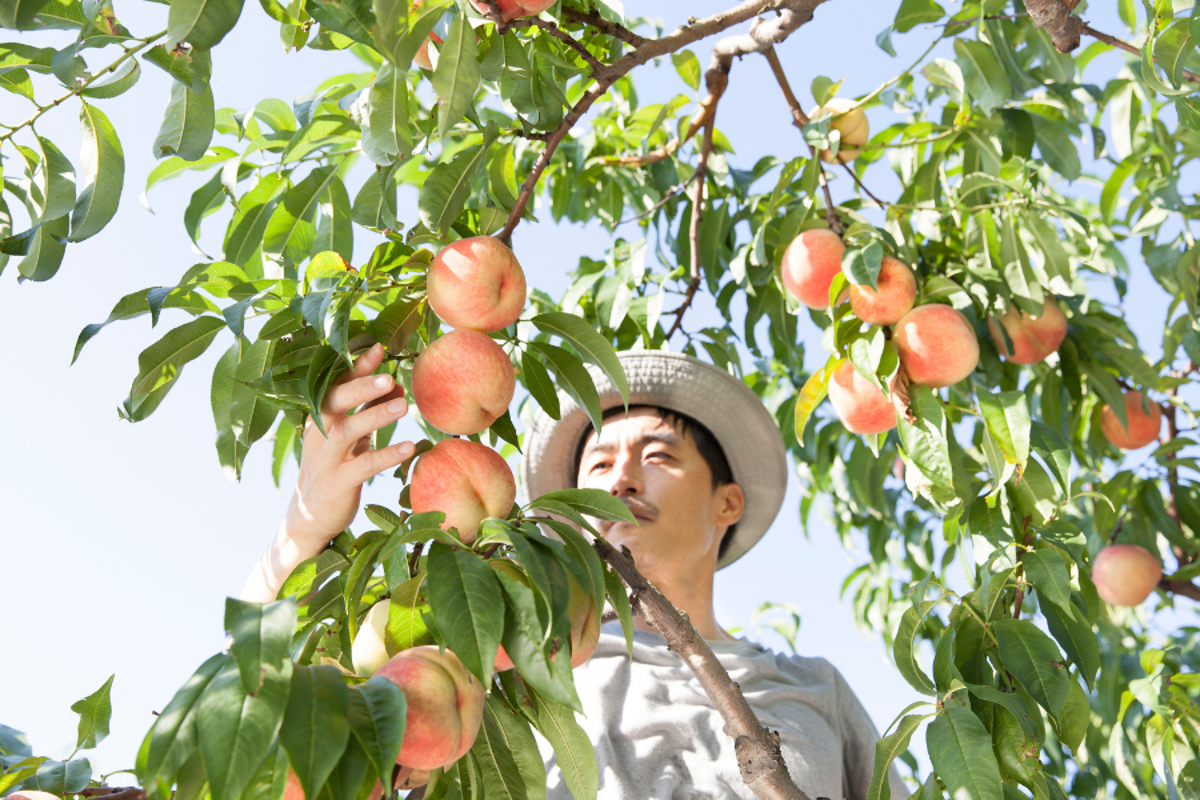
The removal of 420,000 peach trees across California is not a natural disaster or a shift in consumer taste. It is a calculated liquidation. When Del Monte Foods announced the sudden closure of its massive canning facility in Modesto, it effectively signed a death warrant for nearly 5,000 acres of prime orchards. Farmers who spent decades nurturing these trees are now watching bulldozers push them into massive pyres. This is the brutal reality of a food supply chain that has prioritized short-term balance sheets over the stability of American agriculture.
The collapse centers on the "cling" peach, a variety specifically bred for canning because it holds its shape during the intense heat of the preservation process. Unlike the freestone peaches you find at a roadside stand, these have no secondary market. They cannot be sold fresh to grocery stores. They cannot be easily diverted to other processors, because those processors are already at capacity or facing their own financial headwinds. When the contract dies, the tree must die with it, or the farmer faces ruinous costs maintaining a crop with a market value of zero.
The Modesto Shutdown and the Fragility of Single Buyer Reliance
For the growers in the Stanislaus County region, Del Monte was more than a buyer. It was the only game in town. The closure of the Modesto plant removed the primary destination for roughly 15% of the state's total cling peach production. This isn't just about a factory closing its doors; it is about the erasure of a specialized ecosystem.
Agriculture operates on a timeline of years, while private equity and corporate boards operate on a timeline of fiscal quarters. A peach tree takes three to four years to reach commercial production and can produce for two decades. When a corporation decides to exit a region to "optimize" its footprint, it destroys twenty years of biological investment in a single afternoon. The farmers, bound by multi-year planting cycles, are left holding the debt on land and equipment that no longer has a purpose.
The economic ripple effect is staggering. Each acre of peaches requires intensive labor for pruning, thinning, and harvesting. The loss of these 420,000 trees translates to thousands of lost seasonal jobs and millions of dollars drained from local economies. Equipment dealers, fertilizer suppliers, and trucking firms are all seeing their ledgers turn red as the smoke from the burning orchards hangs over the valley.
Why the Processing Industry is Abandoning the Golden State
California produces nearly all of the nation’s canned peaches, yet the industry is being squeezed by a pincer movement of rising domestic costs and aggressive foreign competition. While "Buy American" remains a popular sentiment, the reality on the supermarket shelf tells a different story.
The Import Pressure
Government procurement programs and large-scale institutional buyers—think school districts and hospitals—have increasingly turned to cheaper imports from Greece, China, and South Africa. These countries often subsidize their growers or operate with labor and environmental standards that would be illegal in California. When a school district chooses a canned peach from China to save five cents a serving, they are indirectly funding the bulldozer that levels a California orchard.
The Regulation Burden
California is the most expensive place in the world to grow food. Between escalating water costs, strict pesticide regulations, and a minimum wage that far outpaces other agricultural regions, the margin for error has evaporated. For a processor like Del Monte, the math eventually stopped working. It became cheaper to import fruit or consolidate operations in states with lower overhead, even if it meant abandoning a century-old partnership with the Central Valley.
The Myth of the Easy Pivot
Observers outside the industry often ask why these farmers don't simply "pivot" to more profitable crops like almonds or pistachios. This suggestion ignores the physical and financial reality of the land.
First, the soil and microclimate required for a high-yielding peach orchard aren't always suitable for nut trees. Second, the capital requirement to transition is immense. Clearing an orchard costs thousands of dollars per acre. Planting a new crop requires another massive investment in saplings and irrigation infrastructure, followed by years of waiting for a harvest. Most of the families affected by the Del Monte closure are already carrying significant debt. They aren't looking for a new venture; they are looking for a way to keep the bank from seizing the dirt their grandfathers farmed.
Furthermore, the "nut boom" in California has already reached a saturation point. Almond prices have fluctuated wildly, and water restrictions under the Sustainable Groundwater Management Act (SGMA) make planting new, thirsty permanent crops a massive gamble. For many of these peach growers, there is no second act. The land will either be sold to developers or sit fallow, a dusty reminder of a once-vibrant industry.
The Failure of the Marketing Order System
The California Cling Peach Board operates under a state marketing order designed to balance supply and demand. In theory, this prevents "surplus" fruit from crashing the market. In practice, the system was unprepared for a catastrophic exit by a major processor.
The board has historically used "green dropping"—the practice of knocking immature fruit off the trees to limit supply—as a tool for price stability. But you cannot green-drop your way out of a total loss of processing capacity. The structural failure here lies in the lack of a "Plan B." The industry allowed itself to become overly dependent on a handful of massive corporate entities, leaving no room for mid-sized processing or alternative cooperatives that could absorb a shock of this magnitude.
A Warning for American Food Security
The destruction of nearly half a million trees should be a national headline because it represents a permanent loss of food sovereignty. Once an orchard is bulldozed and the farmer goes bust, that production capacity does not come back. We are witnessing the systematic dismantling of the American fruit industry in favor of a globalized model that is vulnerable to geopolitical shifts and supply chain disruptions.
If the United States loses its ability to process its own fruit, it becomes entirely dependent on the stability and goodwill of foreign nations for basic pantry staples. The "efficiency" gained by importing cheap peaches today creates a massive strategic deficit tomorrow.
The immediate path forward requires more than just sympathy for the growers. It requires a hard look at procurement policies. If state and federal agencies are not mandated to prioritize domestically grown and processed food, the remaining orchards will surely follow. There is also a desperate need for investment in smaller, more flexible processing facilities that aren't beholden to the whims of multi-national conglomerates.
The smoke over the Central Valley right now isn't just from burning wood. It’s the smell of a disappearing middle class in American agriculture. Every tree that falls is a testament to a system that knows the price of everything and the value of nothing.
The bulldozers are still moving. The remaining growers are looking at their own contracts, wondering if they are next. Without a radical shift in how we value domestic food production, the California peach will become a relic, a ghost of an era when we actually grew what we ate.
The only way to stop the fire is to make it economically viable to keep the trees in the ground. Stop buying the cheap imports. Force the government to buy local. Otherwise, keep the matches ready.