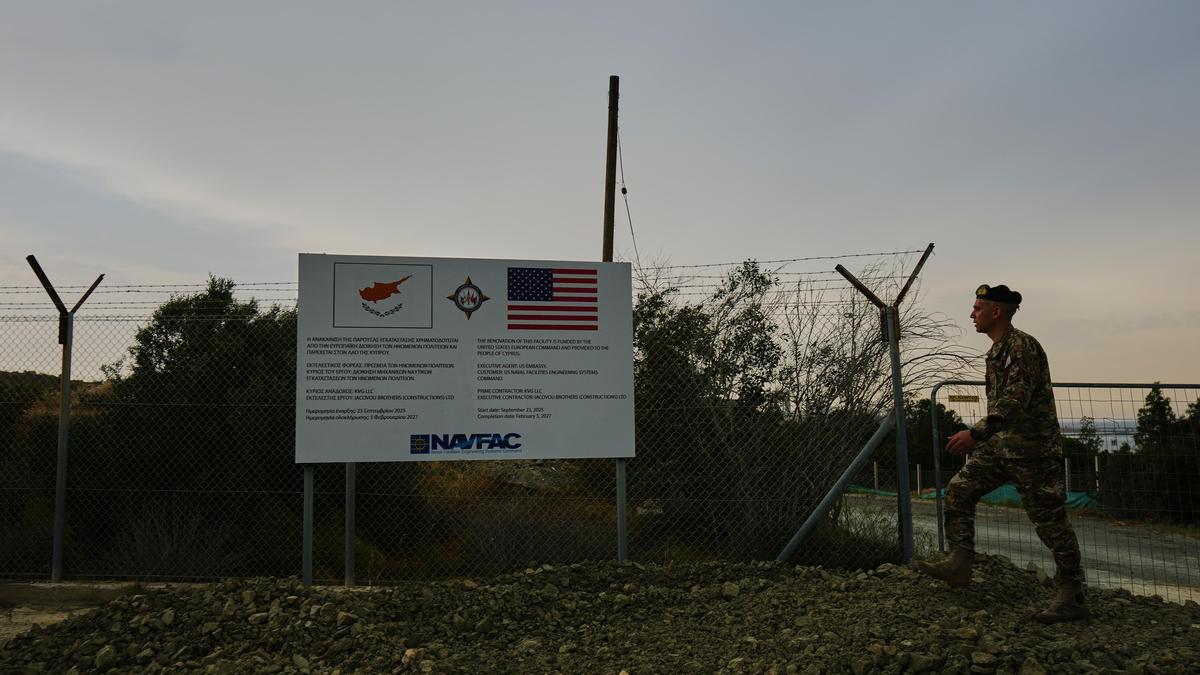
Cyprus is no longer just a Mediterranean island famous for halloumi and sun-drenched beaches. It’s rapidly becoming the most important patch of dirt in the Eastern Mediterranean. While the Middle East continues to struggle with instability, the U.S. is quietly opening its wallet to turn Cypriot military bases into high-capacity humanitarian engines.
If you’re wondering why the U.S. is dumping taxpayer dollars into a tiny island nation’s infrastructure, the answer is simple. Geography. Cyprus sits just 142 miles from the Lebanese coast. When things go sideways in the Levant, Cyprus is the first—and often only—civilized doorstep for people fleeing the chaos.
The American investment in Cypriot steel and concrete
This isn't about setting up a front-line combat zone. The Republic of Cyprus has been very clear that they aren't looking to join offensive military operations. Instead, they're building a "safe haven." The U.S. European Command is footing the bill for upgrades that look more like logistics hubs than battle stations.
The Evangelos Florakis naval base in Mari is getting a massive facelift. We’re talking about a brand-new heliport specifically designed to handle the big boys—Chinook-type transport helicopters. These are the workhorses used for massive airlifts when a sea evacuation is too slow or too dangerous.
Then there’s the Andreas Papandreou air base in Paphos. The U.S. is financing a new apron expansion there. This isn’t for fighter jets; it’s for heavy-lift military transport aircraft. The goal is faster refueling and maintenance for planes moving personnel and aid into regional disaster zones.
Breaking down the numbers and the timeline
While the full price tag is still being calculated as of April 2026, the initial commitments are telling.
- Air Base Expansion: The U.S. has already fronted 500,000 euros ($588,000) just for the development plan. Total costs could potentially reach 14 million euros.
- Naval Base Modernization: Estimates for the full overhaul of the Mari naval base have floated as high as 200 million euros, with the EU expected to chip in alongside the U.S.
- Construction Kickoff: Groundbreaking for the major structural work is slated for 2027.
It’s a long-term play. The U.S. and Cyprus signed a five-year Roadmap for Bilateral Defense Cooperation back in late 2024. What we’re seeing now is that roadmap turning into actual construction sites.
The death of non-alignment
For decades, Cyprus played it safe. They had a non-aligned diplomatic posture, trying not to lean too hard toward the West or the East. That’s dead now. The turn toward Washington is complete.
I’ve seen this shift happen in real-time over the last few years. It started with the lifting of the U.S. arms embargo and has snowballed into this deep infrastructure partnership. Why the change? Because Cyprus realized that being a "neutral" island in a volatile neighborhood is a luxury they can't afford. They need the security of Western backing, and the West needs a reliable, stable platform that isn't mainland Europe.
More than just a landing strip
Cyprus has already proven it can handle the pressure. Think back to the evacuations from Sudan in 2023, or the ongoing humanitarian corridors into Gaza. The island was the primary staging ground. But those operations pushed their current facilities to the limit.
The new upgrades mean they won't just be "getting by." They’ll be ready for "large-scale operations." This is about the "MED-OP" initiatives and the European Firefighting Hub—regional centers that use Cyprus as a springboard for disaster response across the southern Mediterranean.
What this means for the region
Don't mistake this for a lack of tension. There’s still the "Cyprus Problem"—the ongoing division of the island and the presence of Turkish forces in the north. Turkey generally isn't thrilled about increased U.S. military presence in the Republic of Cyprus.
However, by framing these upgrades as humanitarian, Cyprus and the U.S. are threading a very thin needle. They’re building military-grade infrastructure under a "safe harbor" banner. It’s smart. It’s strategic. And honestly, it’s probably the only way to keep the peace while preparing for the worst.
If you’re following Mediterranean geopolitics, keep your eyes on the Paphos and Mari construction sites. They are the new physical anchors of American influence in the region.
Check the official Republic of Cyprus Ministry of Defense site or the U.S. Embassy in Nicosia for the next round of tender announcements if you're looking for the technical specs on the 2027 build-outs.


