The lazy consensus loves a clean narrative. Hand analysts a map, draw a bold red marker connecting Tehran to Kyiv, and watch the opinion columns write themselves. The mainstream narrative insists that the war in Ukraine and the tensions involving Iran are converging into a single, monolithic global crisis, neatly packaged for a photo-op between Volodymyr Zelenskyy and Donald Trump.
It is neat. It is dramatic. And it is entirely wrong.
Conflating these two theaters of conflict ignores fundamental realities on the ground. It treats distinct geopolitical actors with entirely separate domestic pressures, military doctrines, and strategic objectives as interchangeable pieces on a grand chessboard. They are not. Treating them as a single front line is an analytical shortcut that obscures more than it illuminates.
The Mirage of a Unified Axis
Every time a drone crosses an international border, commentators rush to declare the dawn of a new global alignment. Tehran provides hardware to Moscow, therefore the conflicts are merging into one. This is kindergarten-level strategic thinking.
I have watched policy shops burn through millions of dollars trying to fit square pegs into round holes, building elaborate threat matrixes that collapse the moment you look at local incentives. Iran acts to secure regime survival, project regional hegemony through proxy networks, and counter immediate domestic dissent. Russia fights a brutal, grinding war of territorial attrition in Eastern Europe to rebuild a buffer zone and prevent what it perceives as an existential security threat from NATO enlargement.
These goals intersect opportunistically, not ideologically. Moscow needs cheap munitions, and Tehran needs hard currency and advanced avionics. That is a transactional marketplace, not a grand civilizational alliance. Calling this convergence misses the friction. The moment their national interests diverge—and they frequently do over oil pricing, Syrian control, and regional influence—the partnership strains.
The Trump Factor and the Fantasy of Easy Deals
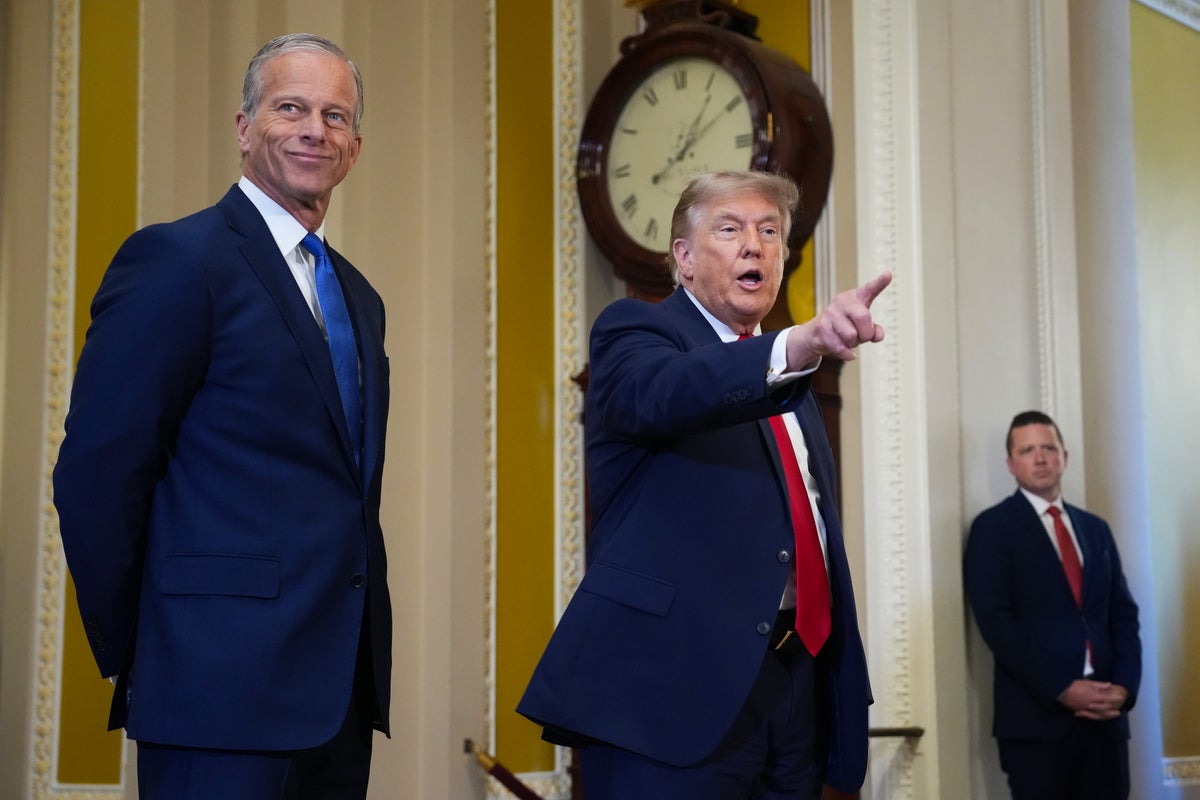
Enter the perennial obsession with high-stakes political theater. The media narrative breathlessly anticipates how a meeting between Zelenskyy and Trump will rewrite the global order overnight.
This assumes foreign policy is a reality television show where a strong personality can snap their fingers and alter the laws of gravity. Realpolitik does not bend to rhetoric. Trump approaches foreign entanglements through a lens of transactional isolationism and fiscal fatigue. Zelenskyy operates from a posture of existential survival where territorial compromise translates to domestic political death.
Expecting a tidy diplomatic breakthrough from their interaction is like expecting two drivers hurtling toward each other in different lanes on different highways to merge seamlessly without hitting the brakes. The underlying vectors of these wars run on entirely different fuel.
Ukraine fights for sovereignty over internationally recognized borders against a nuclear-armed aggressor. The Middle East burns through cycles of asymmetric warfare, religious sectarianism, and state sponsorship of militias that have defined the region for half a century. Collapsing these distinct crises into a single headline sells clicks, but it blinds decision-makers to the specific levers required to address either one.
Dismantling the Global War Trope
People ask if we are sliding into a third world war because multiple hotspots are active simultaneously. This question fundamentally misunderstands how modern conflict operates.
A global war requires synchronized grand strategies, integrated command structures, and shared economic mobilization among major powers. What we have instead is a constellation of localized fractures. North Korean artillery shells in Russian hands or Iranian drones over the Black Sea do not equal a unified global front. They represent a fractured international order where opportunistic actors trade goods and services outside Western sanctions regimes.
The danger is not that a single world war is about to erupt from these convergences. The danger is that Western policymakers will misdiagnose local symptoms as global diseases, applying blunt, generalized instruments where surgical, region-specific containment is required. When you treat every fire as part of the same forest blaze, you end up wasting water on stone.
The Real Price of Intellectual Laziness
Lazy analysis has real-world body counts. When strategists view the world through a single, hyper-simplified lens, defense budgets get misallocated, diplomatic capital gets squandered on impossible grand bargains, and critical flashpoints are ignored until they explode.
Stop looking for the master thread tying every geopolitical knot together. Most of the time, the knots are just tangled independently by separate actors pulling in opposite directions. Understand the specific friction points, respect the local histories, and drop the fantasy that everything happening on the globe right now is about you, your elections, or your favorite narrative arc.
The convergence is a myth. Deal with reality.