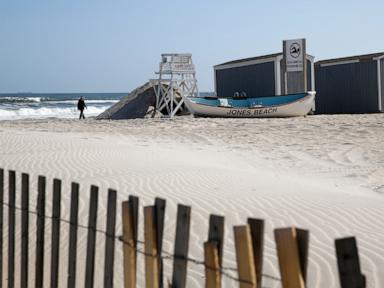
Colonial New York functioned as a primary logistical hub for Indian Ocean piracy during the late seventeenth century because local elites engineered a mutually beneficial gray-market economy. Rather than operating as isolated outlaws, privateers and pirates relied on respectable merchants, landowners, and colonial officials to launder stolen bullion, refit vessels, and fence luxury textiles. Recent historical scrutiny into the operational networks of notorious pirates—specifically figures like Thomas Tew, William Kidd, and Henry Every—reveals that prominent New York families, including the namesakes of modern geographic landmarks such as Jones Beach (Major Thomas Jones) and Frederick Philipse, were integral nodes in this illicit supply chain.
To understand how a brutal maritime crime syndicate integrated seamlessly into the upper echelons of colonial society, one must strip away romanticized folklore and examine the mechanics of seventeenth-century mercantilism. The British Crown enforced strict trade monopolies through the Navigation Acts, creating severe currency shortages and high consumer prices in North American colonies. Pirates solved both problems simultaneously by injecting untaxed specie (gold and silver coins) and East India goods directly into the New York port economy. Learn more on a connected issue: this related article.
The Architecture of Colonial Pirate Patronage
Piracy in the 1690s was not a spontaneous rebellion against authority; it was a capitalized business venture requiring significant upfront investment and shore-side infrastructure. Historians analyzing colonial court records, letters of marque, and customs ledgers have identified a consistent operational model used by New York's ruling class to extract wealth from Indian Ocean raids.
This system relied on four structural pillars: More journalism by BBC News explores comparable perspectives on this issue.
- Capitalization and Outfitting: Outfitting a square-rigged vessel for a multi-year voyage to the Red Sea or the Malabar Coast required capital far beyond the reach of common mariners. Wealthy New York merchants syndicated the risk, providing ships, artillery, provisions, and naval stores in exchange for a predetermined share of the plunder.
- Legal Laundering via Letters of Marque: Colonial governors, most notably Benjamin Fletcher, issued privateering commissions—known as letters of marque—authorizing captains to attack French vessels during King William’s War. Once at sea, captains used these documents as legal cover to attack Mughal treasure ships, claiming the cargoes were legitimate wartime prizes.
- Shore-Side Logistics and Safe Harbors: Returning pirate vessels could not simply dock at Manhattan’s main wharves without attracting the attention of Royal Navy patrols or honest customs collectors. Instead, they utilized secluded coastal inlets along Long Island and the Hudson River. Local magistrates and major landowners, such as Thomas Jones on the south shore of Long Island, controlled these littoral zones, facilitating the covert offloading of contraband and the dispersal of crews.
- Fence Networks and Currency Injection: Once offloaded, Arabian gold, Spanish pieces of eight, and Indian silks entered legitimate retail channels through established merchant houses. Because the colonies suffered from a chronic deficit of hard currency, local merchants and governors welcomed the influx of pirate bullion, which stabilized local credit and funded further commercial expansion.
The Case of the Long Island Littoral and Thomas Jones
The geographical layout of Long Island made it an ideal buffer zone for illicit maritime operations. The barrier islands, shallow bays, and shifting inlets of the south shore were treacherous for deep-draft Royal Navy frigates but navigable for shallow-draft sloops and brigantines operated by experienced local pilots.
Historical investigations into the career of Major Thomas Jones—an Irish soldier who fought for King James II before emigrating to North America and acquiring vast tracts of land in Oyster Bay and along the barrier beach that now bears his name—illustrate the blurry boundary between colonial defense and pirate facilitation. Appointed by colonial authorities to oversee coastal defense and salvage rights (specifically whaling and shipwrecks), Jones held absolute legal authority over what washed ashore or anchored in the Great South Bay.
The Mechanics of Coastal Complicity
When a pirate vessel approached the New York coast at the end of a Red Sea run, the crew faced an acute vulnerability: their ship was heavy with cargo, undermanned due to combat or disease, and easily identifiable by its rigging and battle damage. The transition from outlaw at sea to wealthy citizen on land required a controlled decompression zone.
- Pilotage and Anchorage: Local coastal authorities provided knowledgeable pilots to guide ships through narrow inlets like Fire Island Inlet or Jones Inlet into protected waters out of sight of Manhattan.
- Cargo Transfer: Flat-bottomed coastal sloops ferried chests of coins, spices, and textiles from the ocean-going pirate vessels to private docks on the mainland of Long Island.
- Vessel Disposal: To eliminate physical evidence, crews frequently scuttled, burned, or intentionally grounded their ships on remote sandbars, subsequently claiming shipwreck status under the jurisdiction of local salvage officers.
- Identity Reintegration: Armed with bribes paid directly to colonial officials—often called "protection money" or fees for "protections"—individual pirates purchased immunity from prosecution, allowing them to settle in New York, New Jersey, or Rhode Island as respectable tradesmen or farmers.
While direct documentary proof of a formal contract between Thomas Jones and specific Red Sea pirates remains constrained by the deliberate destruction of incriminating seventeenth-century records, circumstantial and archival evidence points to systemic complicity. Jones’s rapid accumulation of wealth, his marriage into the prominent Townsend family (who possessed extensive maritime trading interests), and his strategic control over the exact coastal checkpoints used by returning privateers align with the established behavioral patterns of New York's pirate brokers. Historians distinguish between confirmed transactions—such as Governor Fletcher’s documented acceptance of bribes from Thomas Tew’s crew—and high-probability inferences regarding coastal magistrates like Jones, whose jurisdictions functioned as unregulated ports of entry.
The Macroeconomic Drivers of the Red Sea Trade
To understand why colonial elites risked treason charges to abet pirates, one must evaluate the economic distortions created by the English Navigation Acts of 1651 and 1660. These laws mandated that all colonial trade be carried on English ships, that key colonial exports pass exclusively through English ports, and that foreign goods be taxed heavily before reaching the Americas.
Furthermore, the East India Company held a strict royal monopoly on all trade between England and Asia. American merchants were legally barred from sailing around the Cape of Good Hope to buy spices, calicoes, and silks directly. Consequently, New York merchants paid inflated prices to London middlemen while suffering from a severe trade deficit that drained the colony of silver and gold.
The Arbitrage Opportunity
Piracy functioned as an aggressive form of regulatory arbitrage. By financing or supplying the "Red Sea Men"—pirates who preyed on the treasure fleets carrying Muslim pilgrims and bullion between India and Mecca—New York merchants bypassed both the Navigation Acts and the East India Company’s monopoly.
- Zero Acquisition Cost: Unlike legitimate traders who had to purchase Asian goods with scarce European silver, pirates acquired cargo through force, reducing the wholesale cost in New York to the price of ship outfitting and crew shares.
- Specie Liquidity: A single successful raid, such as Henry Every’s capture of the Mughal ship Ganj-i-Sawai in 1695, yielded hundreds of thousands of pounds sterling in gold and silver. When crews spent this money in New York taverns, shipyards, and shops, it injected instant liquidity into an economy otherwise reliant on barter and wampum.
- Tax Evasion: Smuggling goods through Long Island inlets allowed merchants to avoid customs duties entirely, increasing profit margins on luxury textiles by over 100 percent compared to legally imported equivalents.
This economic alignment meant that anti-piracy laws were virtually unenforceable in New York. Grand juries were populated by the very merchants who bought pirate goods; judges were appointed by the governors who sold letters of marque; and coastal militia officers were the landowners who controlled the smuggling coves.
The Crown’s Crackdown and Institutional Realignment
The symbiotic relationship between New York elites and Indian Ocean pirates collapsed not because of a sudden moral awakening in the colonies, but due to geopolitical blowback in London. When English pirates plundered ships belonging to the Mughal Emperor Aurangzeb, the Mughal administration retaliated by seizing East India Company factories in Surat, imprisoning English factors, and threatening to expel British trade from India entirely.
Because the East India Company was a primary source of tax revenue and loans for the English Crown, piracy in the Red Sea shifted from a minor colonial nuisance to an existential threat to imperial finance.
The Suppression Sequence
London executed a systematic dismantlement of the New York pirate network between 1698 and 1701:
- Gubernatorial Replacement: The Crown recalled Governor Benjamin Fletcher in 1698, replacing him with Richard Coote, Earl of Bellomont, who was given an explicit mandate to purge the colonial administration of pirate collaborators.
- Legislative Reform: Parliament passed the Piracy Act of 1700, which stripped pirates of the right to a trial by a local colonial jury—jurors who routinely acquitted their neighbors—and established Vice-Admiralty courts staffed by crown-appointed officials empowered to execute pirates on the spot.
- Asset Seizure and Blacklisting: Bellomont audited customs records, revoked fraudulent land grants issued by Fletcher, and forced prominent New York families to surrender pirate goods or face treason indictments.
Under this intense regulatory pressure, the New York merchant class rapidly pivoted. The risk-to-reward ratio of pirate patronage inverted overnight. Families that had built their initial capital reserves through privateering commissions, smuggling, and coastal salvage transitioned entirely into legitimate transatlantic trade, real estate development, and agricultural estates.
Historical Memory and the Sanitization of Place Names
The enduring legacy of this era is visible across the geography of New York, though the historical context has been systematically scrubbed from public consciousness. Place names like Jones Beach, Philipse Manor, and Gardiner’s Island serve as permanent monuments to the founding families of the colony, yet their foundational wealth was inextricably linked to illicit maritime networks.
Public history frequently relies on a sanitized narrative of colonial development, emphasizing industriousness, legal governance, and frontier resilience while omitting the criminal capital accumulation that financed early infrastructure. When historians uncover links between a beach’s namesake and seventeenth-century piracy, they are not uncovering an anomaly; they are exposing the standard operating procedure of early modern colonial capitalism.
To evaluate the true origins of regional wealth in North America, analysts must look past official colonial charters and examine the ledger books of smuggling ports, the inventories of coastal salvage officers, and the patterns of unexplained liquidity in seventeenth-century port cities.


