Colombia's democracy is staring down the barrel of a gun. Again. Just weeks before the May 20226 presidential election, a wave of coordinated attacks has ripped through the country’s southwest, leaving dozens dead and a nation wondering if the dream of "Total Peace" was ever more than a campaign slogan. If you think this is just another cycle of unrest in a country used to conflict, you're missing the bigger picture. This isn't just about old rebels; it's about a high-stakes power play for leverage with whoever moves into the Casa de Nariño next.
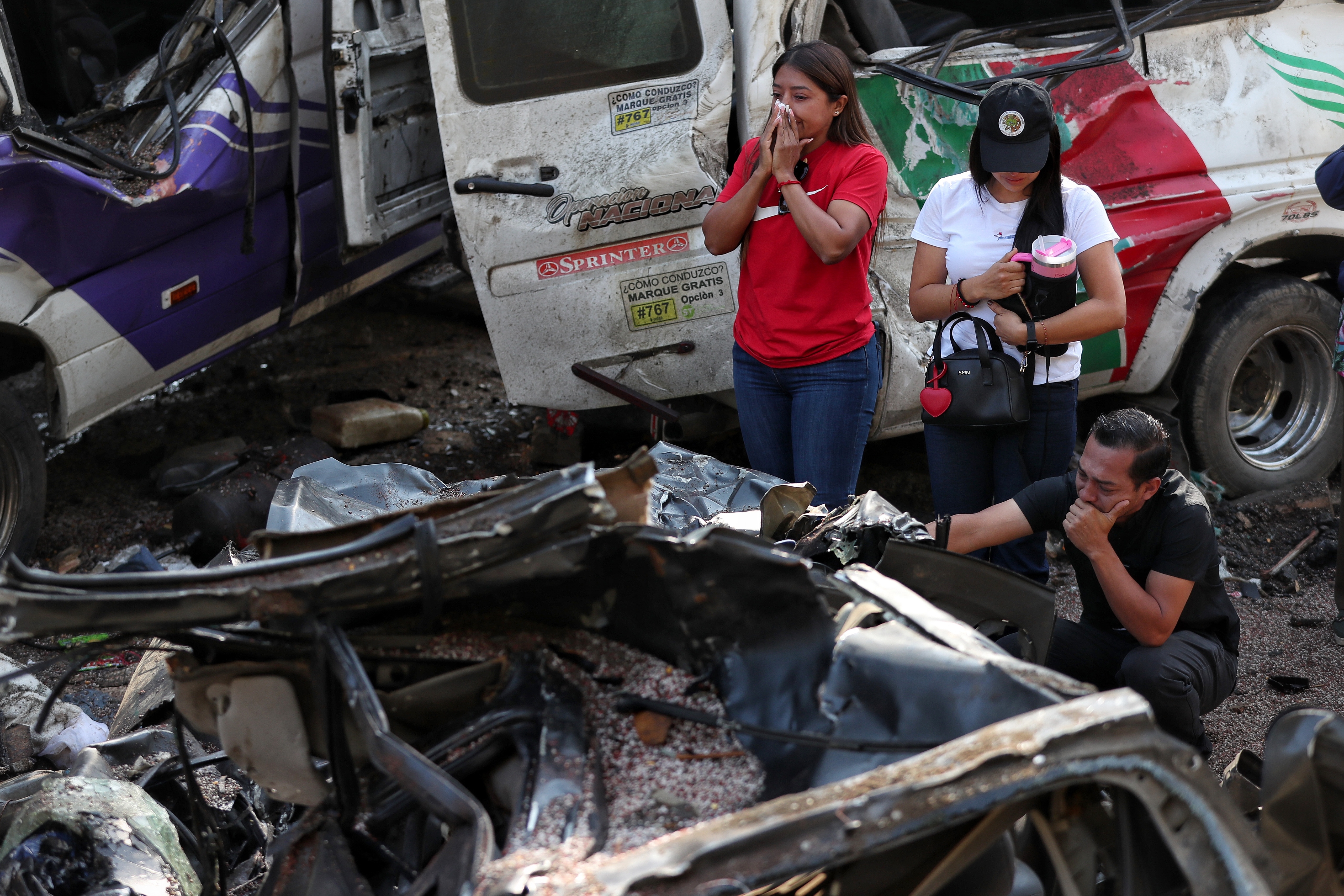
The numbers are staggering. In just one weekend, authorities recorded 26 separate attacks involving drones and explosives. The most horrific took place on the Pan-American Highway near Cajibío, where a bus bombing killed at least 21 people. It’s the kind of violence that makes the blood run cold, targeting civilians on a main artery that connects Cali and Popayán.
The Strategy Behind the Chaos
Why now? It's not random. Groups like the FARC-EMC, led by Iván Mordisco, aren't just blowing things up to cause havoc. They're establishing credibility. By showing they can paralyze a region and bypass military defenses with drones, they’re telling the next administration: "You can't ignore us."
Political risk analyst Sergio Guzmán puts it bluntly. These groups are building leverage. They want to be at the table for future negotiations, and in their twisted logic, a higher body count equals a stronger seat. It’s a cynical, bloody tactic that treats human lives like chips in a poker game.
The current government’s "Total Peace" initiative—a centerpiece of President Gustavo Petro’s administration—is under fire. The idea was to offer ceasefires to various armed groups to pave the way for talks. Instead, critics and many people on the ground say these groups used the breathing room to regroup, rearm, and tighten their grip on local communities.
Who is Actually Fighting
The landscape of the conflict has shifted since the 2016 peace deal. We're no longer looking at a single monolithic insurgency.
- FARC-EMC: These are the dissidents who never signed the 2016 deal. They control vast swaths of coca fields and illegal mining operations, particularly in the Micay Canyon.
- ELN: The National Liberation Army remains active, especially in the Catatumbo region. While they occasionally pledge election ceasefires, Defense Minister Pedro Sánchez has warned the public not to trust them.
- Criminal Gangs: Groups like the AGC (Gulf Clan) and smaller outfits like Los Pachenca are fighting for control of drug trafficking routes.
The violence isn't evenly distributed. It's concentrated in "strategic" areas—places where the geography allows for easy movement of illicit goods and where the state’s presence has always been thin. In the southwest, the fight is over the heart of the cocaine trade.
The Election Stakes and the Candidates
This surge in violence has turned the 2026 election into a referendum on security. The candidates are already using the smoke from the bombs to frame their arguments.
Iván Cepeda, the candidate representing the current governing coalition, is in a tough spot. He wants to continue the path of dialogue but has to condemn the very groups the government was trying to talk to. He’s suggested these attacks might even be aimed at suppressing the vote in regions that traditionally support the left.
On the other side, conservative candidates like Paloma Valencia and Abelardo De la Espriella are hammering the security angle. Their message is simple: the "Total Peace" experiment failed, and it’s time to go back to a hardline military approach. For many voters who feel abandoned by the current security policy, that’s a compelling argument.
What This Means for the Average Colombian
If you’re living in Bogotá or Medellín, the violence might feel distant, something you see on the news. But for people in Cauca or Nariño, it’s a daily reality of "confinements"—where armed groups tell you that if you leave your house, you’re a target. More than 137,000 people were trapped this way in the first half of last year alone.
The use of drones is a particularly nasty development. It shows a level of technical sophistication that the military is struggling to counter. When a group can drop an explosive on a police station or a crowded market from a device bought online, the old rules of territorial control go out the window.
The Reality of the May Vote
Don't expect the violence to stop once the polls open. The government has deployed nearly a quarter of a million security personnel to protect polling stations, but they can't be everywhere.
The real danger is that the violence succeeds in its goal: delegitimizing the democratic process. When people are too afraid to go to the polls, or when candidates are assassinated—like Senator Miguel Uribe Turbay was earlier in this cycle—the foundation of the state cracks.
If you want to understand where Colombia is going, watch the Pan-American Highway. Watch how the military responds to the drone threats. The next few weeks will decide if the country can move past its "culture of the bullet" or if it’s heading back into the darkest days of the late 90s.
Keep an eye on the voter turnout in the southwest. If it drops significantly, the rebels have already won their first victory before a single ballot is even counted. The path forward requires more than just military force; it needs a state that actually shows up with schools, roads, and health clinics, not just soldiers. Until then, the cycle of leverage and blood will just keep spinning.