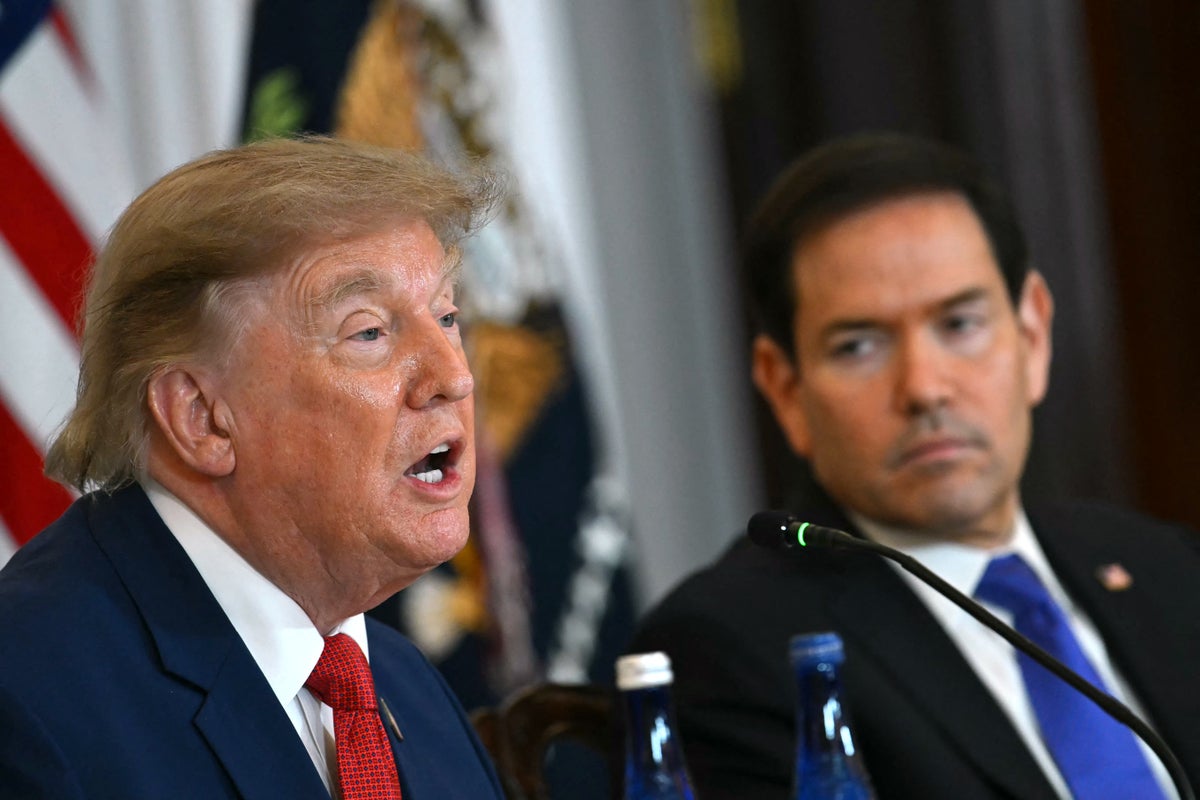
Every few months, a politician stands in front of a microphone, gets misty-eyed about the sanctity of the naturalization oath, and declares that American citizenship cannot be bought. They point to the civics tests, the multi-year green card queues, and the solemn oaths sworn in crowded federal courtrooms. They call it sacred. They call it priceless.
They are lying to you.
Or worse, they are profoundly economically illiterate.
When Marco Rubio or any otherBeltway fixture clutches their pearls over the commodification of legal status—reacting to proposals like million-dollar economic entry pathways or investor visa iterations—they rely on a lazy, sentimental consensus. The narrative goes like this: citizenship is a moral standing, a shared civic faith, and pricing it turns a republic into a boutique storefront.
I have watched immigration policy debates up close for a decade. I have seen founders pack up their venture-backed startups and move to Lisbon or Singapore because the United States legal immigration system treats high-value talent like a bureaucratic nuisance. I have watched capital flow effortlessly across borders while human beings drown in processing backlogs.
The lazy consensus misses the operational reality. Citizenship and legal residency have always been priced. They are priced in time, in legal fees, in lost productivity, and in mandatory capital investments like the EB-5 program, which has traded permanent residency for job-creating capital injections for decades.
Pretending that money does not already dictate access to the United States is a comforting bedtime story for people who inherited their paperwork.
The Economics of Admission
Let us look at the mechanics. Economists like Gary Becker and legal scholars have debated the open-market approach to migration for years. The standard objection is moral hazard: if you let wealthy people buy their way in, you create a two-tiered system where the rich bypass the rules.
Here is the inconvenient truth. We already have a multi-tiered system. It is just wildly inefficient.
If you are a destitute asylum seeker fleeing cartel violence, your entry price is measured in physical trauma and thousands of dollars paid to coyotes, followed by a decade-long limbo in immigration court. If you are an Indian national stuck in the employment-based green card backlog, your price is measured in decades of professional stagnation, unable to change jobs or start a company without risking your place in line.
Meanwhile, wealthy investors leverage existing legal mechanisms to fast-track their capital.
Charging a high, transparent fee for entry or permanent status—call it a Gold Card, a sovereign access fee, or an economic mobility bond—does not corrupt the system. It rationalizes it.
Imagine a scenario where the federal government bypasses the arbitrary visa caps for skilled builders, founders, and capital allocators by instituting a direct fiscal contribution option. Instead of forcing a brilliant engineer to spend five years and thirty thousand dollars on corporate immigration lawyers, they pay a direct fee to the Treasury. That money funds vocational training for domestic workers or infrastructure in neglected municipalities.
That is not selling out. That is taxation through admission.
Dismantling the Sacred Cow Fallacy
Critics argue that a price tag cheapens the value of the passport. This assumes value is derived exclusively from difficulty.
By that logic, a DMV line with a six-hour wait is more valuable than a high-speed train because it is more painful. It is an absurd premise. The value of American residency is derived from the rule of law, the depth of our capital markets, the security of property rights, and the scale of our consumer base.
When a foreign entrepreneur brings capital, intellectual property, and a drive to build, they are not leeching off the system. They are expanding it. To block them out of misplaced sentimentalism about parchment and oaths is economic self-sabotage.
We are competing in a global talent market. Canada has its startup visa. The United Kingdom, Singapore, and the United Arab Emirates roll out the red carpet for capital and brainpower. They do not apologize for wanting wealthy, productive contributors. They understand that national strength is a function of who you let in, not who you keep out with administrative red tape.
When Marco Rubio argues that citizenship is not for sale, he is ignoring the balance sheet. Every nation-state trades access for utility. Rome traded citizenship for military service. Modern states trade it for taxes, labor, and investment.
Stop treating immigration policy like a Sunday sermon. It is sovereign resource allocation. Price it, optimize it, and let the builders in.