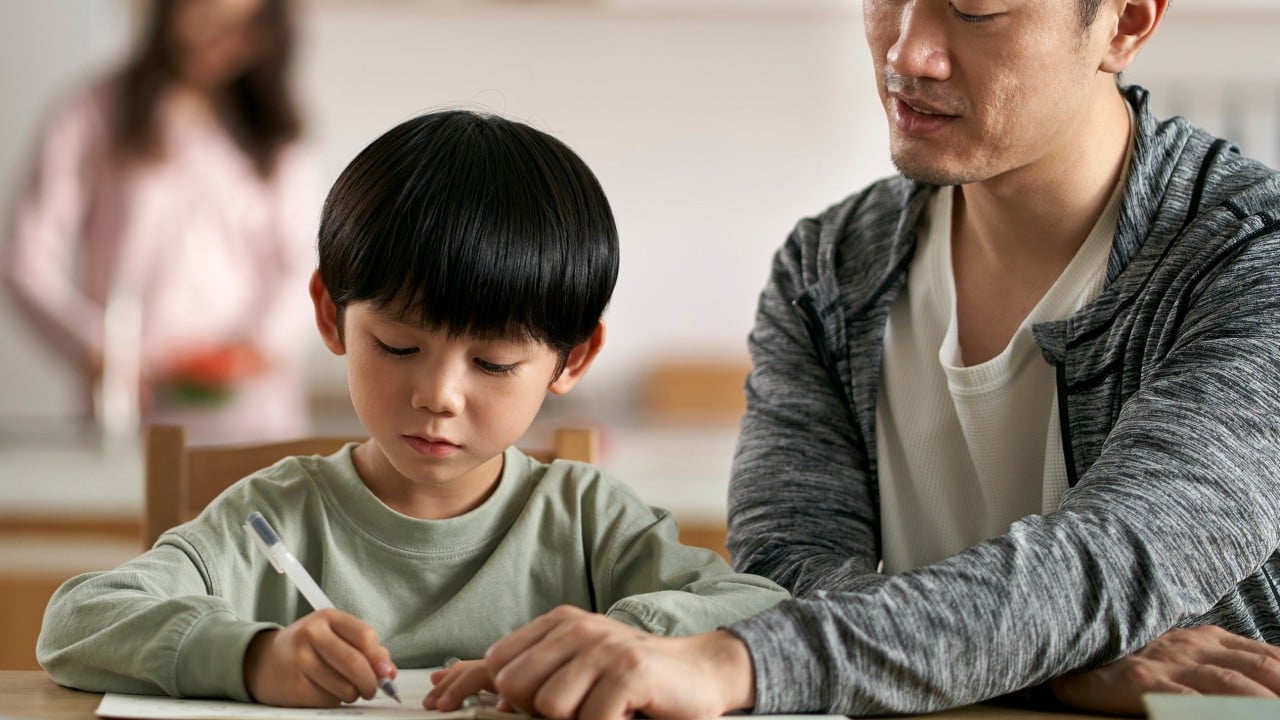
Summer vacation used to mean freedom. It meant skinned knees, long afternoons chasing cicadas, and getting lost in comic books until the streetlights came on. That childhood is dead in modern China. Kids now live inside a hyper-scheduled matrix of cram schools, mock exams, and endless extracurriculars. They aren't kids anymore. They are pre-made children.
If you haven't heard the term yet, get ready. The phrase "pre-made children" or yuchizi has taken over Chinese social media. It mimics the slang for pre-made meal kits delivered to your doorstep. You heat them up and eat them. Parents buy pre-made education packages, plug their kids into them, and watch them turn into efficient, exam-passing machines. No creativity required. No free time allowed. Read more on a similar topic: this related article.
Let's look at what's actually happening on the ground.
The Factory Line of Modern Childhood
Walk into any urban apartment complex in Beijing or Shanghai during July. You won't hear kids playing basketball outside. You will hear the muted click of computer mice taking online coding classes. You will see students hauling rolling suitcases packed with physics workbooks into weekend tutoring centers. More analysis by Refinery29 explores comparable perspectives on this issue.
The rationale parents give is simple survival. China's job market is brutal. Millions of college graduates chase a shrinking pool of white-collar positions. The college entrance exam, known as the gaokao, remains the ultimate filter. If you fail the exam, your life choices narrow instantly. Parents know this panic all too well. They turn their kids into industrial products because they fear the alternative is total ruin.
Kids lose their agency entirely. Their days are mapped out in fifteen-minute increments. Wake up, study, prep for math olympiads, practice piano, sleep, repeat. They don't cook meals, they don't solve real-world problems, and they rarely make decisions for themselves. Everything is pre-packaged.
Why The Pre Made Kid Trend Is Exploding Now
The government tried to fix this years ago. Authorities launched the "double reduction" policy designed to ease homework burdens and ban profit-driven tutoring for school subjects. Beijing wanted kids to breathe. It wanted families to stop burning cash on endless private academies.
It backfired.
Instead of leveling the playing field, the crackdown pushed the tutoring underground. Rich parents hired private tutors at exorbitant hourly rates. Middle-class parents scrambled to find legal loopholes, buying expensive educational toys, AI learning tablets, and coding camps disguised as hobby clubs. The anxiety didn't vanish. It mutated.
When the system blocks traditional tutoring, parents invent new ways to optimize their kids. The pre-made child trend is the logical endpoint of hyper-competition. It treats human development like software deployment.
"We are raising efficient little machines who can solve calculus equations but cannot talk to a stranger or handle a minor setback."
That quote from a Shanghai mother captures the quiet tragedy of the movement. Parents aren't monsters. They are terrified participants in a race to the bottom.
The Hidden Cost of Optimization
What happens when you factory-wire a child for academic output? You get adults who struggle with basic resilience.
Psychologists across Chinese urban centers report rising rates of anxiety and school refusal among teenagers. Kids snap under the weight of perfection. When your entire identity rests on whether you scored a 98 or a 99 on a mock test, a single bad grade feels like the end of the world.
Burnout hits early. By the time these pre-made children reach university, many experience severe apathy. They spent their formative years running someone else's race. Once they reach the finish line of admission, they stop running. They don't know what they actually like because nobody ever asked them.
How to Break the Cycle
If you are raising a child in this environment, or if you simply see these patterns creeping into your own family life, you need to step back. The urge to micromanage every minute of a child's day comes from love, but it creates profound harm.
Start by protecting boredom. Boredom is where imagination lives. If your kid has an open hour, do not fill it with an educational app. Let them stare at the ceiling. Let them build something useless out of cardboard boxes.
Redefine success away from test scores. Look for real-world competence. Can your child cook a basic meal? Can they resolve a conflict with a friend without your help? Can they handle failure without crying? These skills matter infinitely more than an extra point on a chemistry quiz.
Stop buying the pre-made narrative. Your child is not a meal kit. They are a human being, and they deserve a childhood that isn't fully baked before they even start.
Take a hard look at your family schedule this week. Cut one useless academic activity. Replace it with unstructured play or actual rest. Your kids will thank you later, even if they complain of being bored right now.