The media is obsessed with the idea that China is playing a "masterstroke" in the Middle East while the U.S. and Iran flirt with total war. They point to the Saudi-Iran brokered deal in Beijing or the expansion of the BRICS bloc as proof that a new sheriff is in town. This narrative is lazy. It’s a superficial reading of a deeply unstable region. If you think China is currently winning the Middle East, you aren't paying attention to the math.
China isn't leading. It’s freeloading. For decades, the United States has underwritten the security of the Persian Gulf, ensuring the free flow of oil—the very oil that fuels China’s industrial machine. While Beijing signs "strategic partnerships," the U.S. Navy is the one actually intercepting Houthi missiles and patrolling the Strait of Hormuz. China is a superpower with a glass jaw: it has massive economic interests but zero appetite for the bloody, expensive, and thankless job of regional stabilization.
The Myth of the Neutral Mediator
The common misconception is that China’s "non-interference" policy makes it a better mediator than the West. This is a misunderstanding of how power works. Mediation without enforcement is just a photo op.
China’s success in bringing Riyadh and Tehran to the table in 2023 wasn't because of Chinese brilliance; it was because both sides were exhausted and needed a face-saving exit. China provided the room and the pens. But look at what has happened since. When the Red Sea became a shooting gallery, China didn't step up. They didn't send a carrier group to protect global trade. Instead, they asked the Iranians to please tell the Houthis to stop hitting Chinese ships.
That’s not leadership. That’s a protection racket where you don’t even control the guards.
The Fragility of the Petroyuan
We hear constant chatter about the "demise of the dollar" and the rise of the petroyuan. Critics argue that China’s deals with Iran and Saudi Arabia will soon decouple oil from the greenback. This ignores the structural reality of the global financial system.
Saudi Arabia’s currency, the Riyal, is pegged to the US Dollar. To break that peg would be to invite hyper-volatility into the Saudi economy at the exact moment they are trying to fund "Vision 2030." Furthermore, what is a country like Iran or Saudi Arabia going to do with a mountain of Yuan? You can’t spend it everywhere. You can’t easily convert it. You are locked into the Chinese ecosystem, which—given China's current demographic collapse and real estate crisis—is a risky bet.
Comparing Security Commitments
| Metric | United States | China |
|---|---|---|
| Active Military Bases | 20+ across the region | 1 (Djibouti) |
| Security Guarantees | Formal treaties & hardware | Vague "strategic" memos |
| Crisis Response | Immediate kinetic capability | "Urging all parties to show restraint" |
If you are a Gulf monarch, you might like Chinese investment, but you aren't calling Beijing when the drones start flying toward your oil refineries. You call the Pentagon.
The Iran Trap
The competitor's view often frames China as a clever player using Iran as a proxy to drain American resources. The reality is that Iran is a liability for Beijing, not an asset.
China is the world's largest importer of crude oil. It needs a stable, predictable Middle East. An actual war between the U.S. and Iran would send oil prices to $150 a barrel, effectively tanking the Chinese economy overnight. China doesn't want Iran to "win"; it wants Iran to stay just disruptive enough to keep the U.S. distracted, but not so disruptive that it breaks the global supply chain.
This is a razor-thin tightrope. One miscalculation by a proxy in Lebanon or Yemen, and China’s "brilliant diplomatic move" evaporates into a massive energy crisis they are powerless to stop.
The Colonialism 2.0 Reality
Let’s be blunt: China’s interest in the Middle East is purely extractive. They want the oil, and they want the markets for their surplus construction capacity. They have no interest in "fostering" (to use a word I hate) regional peace for its own sake.
I’ve seen this play out in Africa and Southeast Asia. China arrives with bags of cash and infrastructure projects that use Chinese labor and Chinese materials. When the debt becomes unsustainable, or the local politics turn sour, Beijing pulls back. The Middle East is a graveyard of empires that tried to manage its complexities. China thinks it can avoid the grave by staying "neutral," but in this region, neutrality is eventually seen as weakness by all sides.
Why the "China Shift" is a Mirage
People also ask: "Is the U.S. pivoting away from the Middle East?"
The answer is yes and no. The U.S. is tired, certainly. But a "pivot" doesn't mean a "vacuum." Even a distracted America possesses more kinetic power in the region than the rest of the world combined. China knows this. They are perfectly happy to let the U.S. spend trillions of dollars and thousands of lives being the regional cop while they shop for discounted oil.
However, this "freeloader" strategy has an expiration date.
- Strategic Overreach: Eventually, a regional player will demand that China pick a side. You cannot be "best friends" with both Israel and the IRGC forever.
- Economic Slowdown: As China’s domestic economy stutters, its ability to write massive checks for Belt and Road projects diminishes.
- The Protection Gap: If the U.S. truly does step back, China will be forced to either watch its energy supply get cut off or engage in a military expansion they are not prepared for.
The Real Power Play
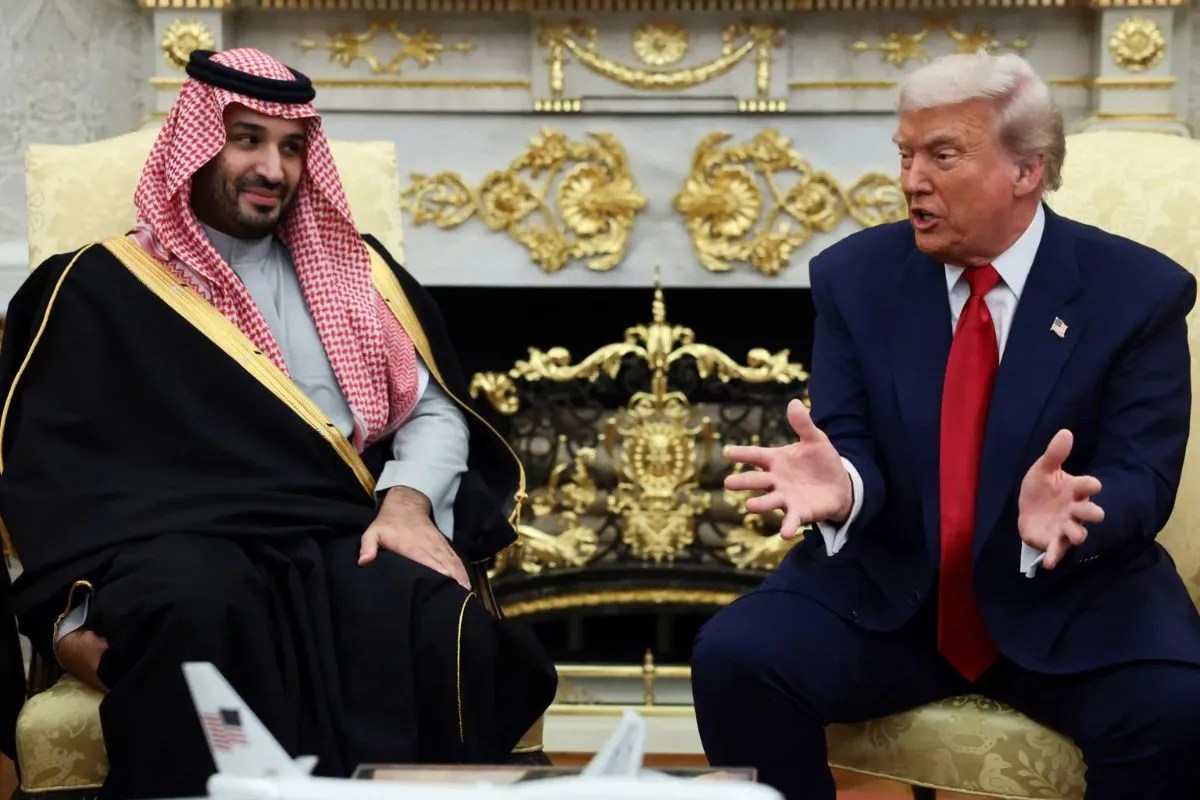
The real story isn't China’s "diplomatic move." It’s the region’s realization that they can play the two superpowers against each other. Saudi Arabia isn't "switching" to China; they are using China as leverage to get better defense deals out of Washington. It’s a classic bazaar haggle, and the Western media is falling for it hook, line, and sinker.
If you are betting on a Chinese-led Middle East, you are betting against history and geography. China is a land power trying to act like a naval power in a region that eats empires for breakfast.
Stop looking at the handshakes in Beijing. Look at the carrier strike groups. Look at the currency reserves. Look at who actually shows up when the shooting starts.
The "New Silk Road" in the Middle East is currently paved with paper-thin promises. One major regional explosion will show the world exactly how little weight China’s "diplomatic masterstroke" actually carries. Beijing isn't playing 3D chess; they are playing a high-stakes game of "Don't Break the Teacup" while the house is on fire.
Buy the oil. Skip the narrative. The U.S. is still the only entity capable of turning the lights off—or keeping them on—in the Middle East. China is just hoping the bill doesn't come due while they're still in the room.