The standard narrative regarding Ceuta paints a familiar, lazy picture. Turn on any major broadcaster, open any wire service, and you will read about a humanitarian crisis, stranded migrants, overwhelmed border guards, and a moral failure of European immigration policy. The framing is designed to evoke immediate sympathy and righteous indignation. Thousands trapped at the fences, humanitarian organizations sounding alarms, politicians pointing fingers.
It is a neat story. It is also fundamentally wrong about how power actually operates on the southern edge of Europe.
I have spent years watching the choreography of North African migration routes, and the conventional analysis misses the structural reality entirely. Ceuta and Melilla are not accidental bottlenecks where Europe's border enforcement breaks down. They are functioning, highly calibrated pressure valves in a complex geopolitical bargaining game. Treating these recurring flare-ups as sudden humanitarian emergencies rather than predictable administrative friction is either profound naivety or deliberate obfuscation.
The Geography of Leverage
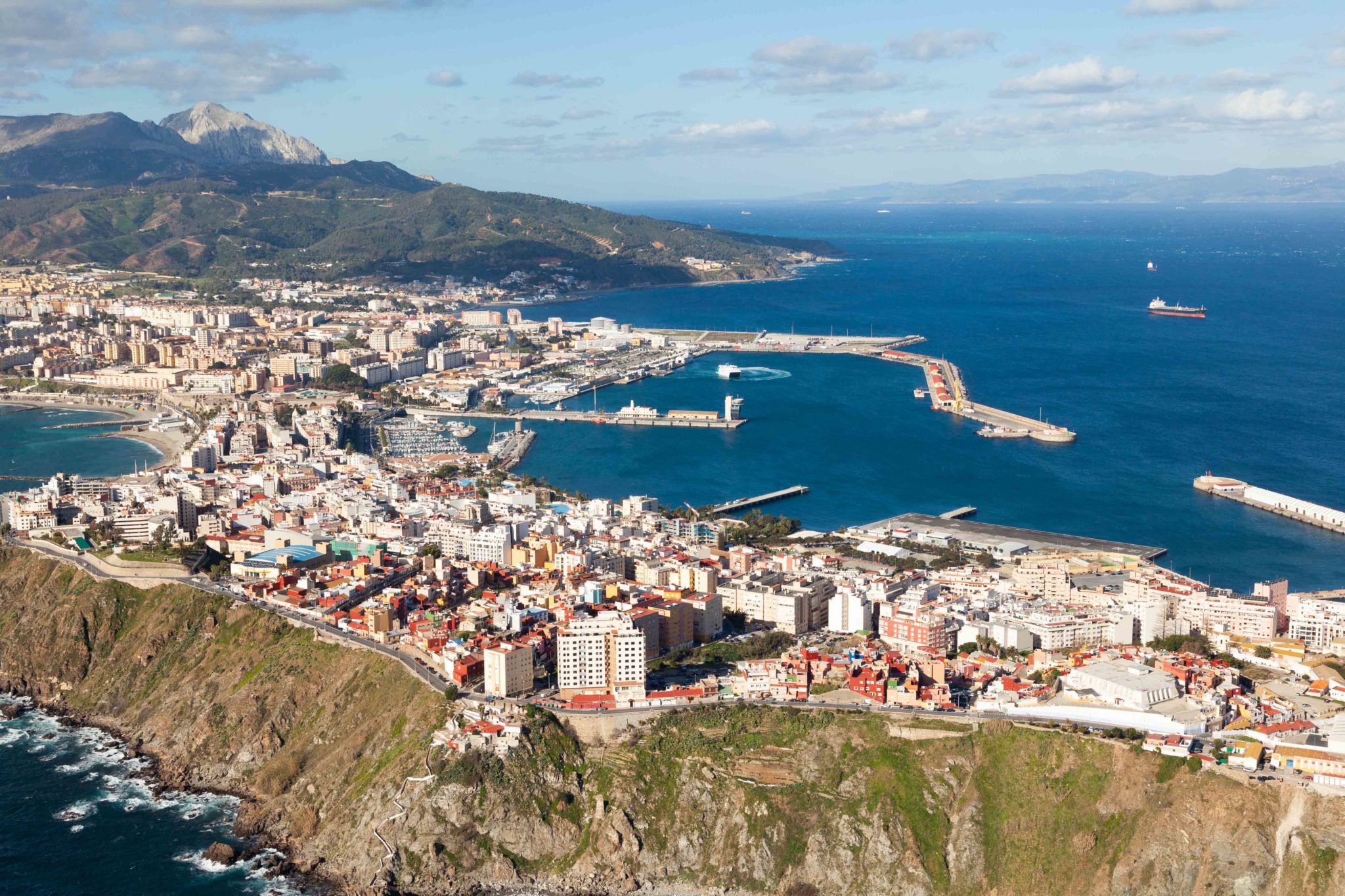
Look at a map. Ceuta is an enclave of Spain bolted onto the northern coast of Morocco. It is European Union territory sharing a land border with Africa. That single geographic anomaly turns a concrete fence into a diplomatic theater.
The lazy consensus says Europe needs more aid money, more reception centers, and more humanitarian staff on the ground to manage the influx. That is treating the symptom while ignoring the structural mechanism. Migration surges at the Moroccan border do not happen spontaneously because people suddenly decide to run at a twenty-foot fence on a random Tuesday. They correlate with precise diplomatic friction points between Madrid, Rabat, and Brussels.
When Morocco wants fishing rights, agricultural tariff adjustments, or diplomatic backing on disputed territorial claims regarding Western Sahara, the border controls experience a sudden, inexplicable softening. When European negotiators deliver, the perimeter tightens overnight. To call this a humanitarian crisis ignores the sovereign actors pulling the strings behind the razor wire. The stranded individuals on the asphalt are human beings caught in a diplomatic game of chicken, but the board itself is maintained by design.
Dismantling The Border Industrial Complex
Pouring hundreds of millions of euros into border tech, high-tensile steel, and biometric surveillance has created a self-sustaining bureaucracy. The border enforcement industry thrives on these crises. Every time a few hundred people breach the perimeter or swim around the breakwater, budgets expand. New contracts are signed. More consultants arrive to study integration pathways that never materialize.
The mainstream media falls for this trap every single time, framing the issue as an absence of resources. They argue that if Brussels just spent more, or coordinated better, the crisis would resolve.
That is economic illiteracy applied to geopolitics. The resources are already massive, but they are misdirected. They fund walls and deterrence mechanisms that incentivize deadlier maritime routes while failing to address the fundamental economic push factors in Sub-Saharan Africa or the administrative bottlenecks within the European asylum apparatus. You cannot solve a geopolitical negotiation deficit by buying more tear gas and security cameras.
The Cost Of Honest Conversations
Admitting that Ceuta functions as a diplomatic tool rather than an accidental tragedy carries heavy political costs. It requires European leaders to admit that their border security relies on externalizing human management to authoritarian or semi-authoritarian partners who use migration as leverage. It requires Morocco to admit that its border enforcement is a volume knob turned up or down depending on economic concessions.
Nobody at the negotiating table wants to say that out loud. It ruins the humanitarian theater.
So the press corps flies in, films the footage of the fence, interviews local charities, and recites the same tired talking points about solidarity and crisis response. Meanwhile, the underlying machinery keeps turning. The people stranded on the rocks are props in a bilateral negotiation disguised as a domestic policy failure.
If you want to understand why thousands remain stranded in limbo, stop looking at immigration statistics and start looking at trade pacts, diplomatic communiques, and foreign aid disbursements. The border is doing exactly what it was engineered to do: regulate pressure, extract concessions, and maintain a perpetual state of managed crisis.
Until European capitals stop outsourcing their border diplomacy to nations that view human movement as a bargaining chip, the fence at Ceuta will remain what it has always been. A tollbooth disguised as a tragedy.