Cold October rain taps against the brick walls of South Building in Chapel Hill, the kind of damp Carolina chill that seeps right through a wool coat and makes you think about warmth. Inside, a budget line isn't just ink on a ledger. It's the hum of a freezer keeping a cancer trial viable. It's the paycheck of a lab technician who moved from Winston-Salem two years ago. It's the quiet certainty that a public university, built with state and federal dollars for generations, won't suddenly have the plug pulled mid-semester.
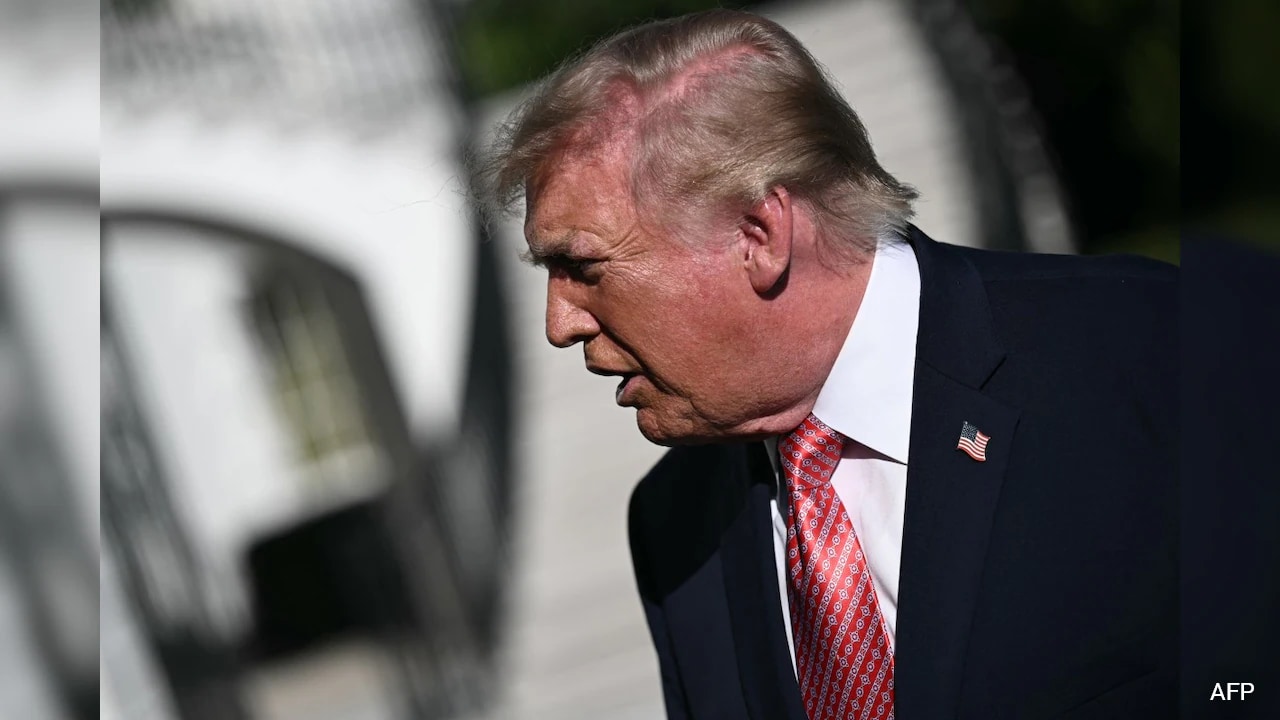
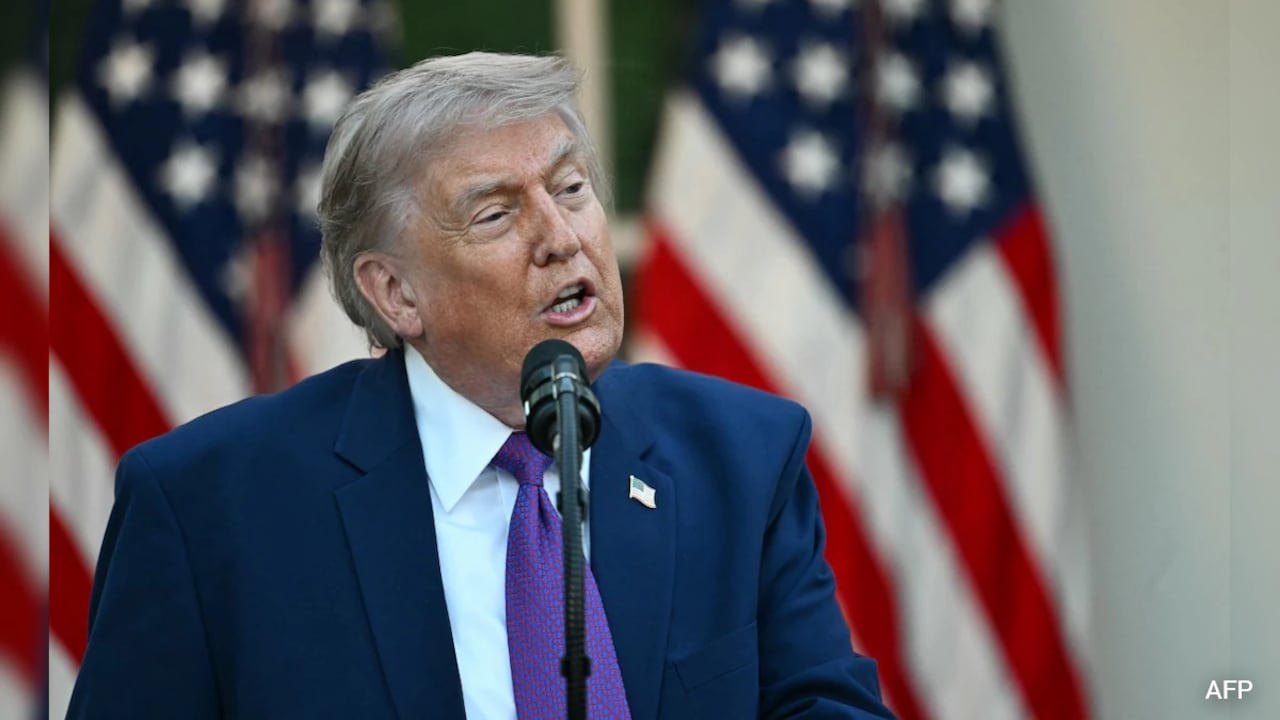
When word broke in mid-October 2026 that the University of North Carolina at Chapel Hill had reached a settlement with the Trump administration—spanning the Department of Education and the Justice Department—most coverage sounded like a real estate closing. Eighteen federal civil rights investigations closed. An 18-month Justice Department compliance review ended. No dollar fine wired to Washington. Eligibility for federal grants, contracts, and awards preserved through December 31, 2028.
Clean. Tidy. Transactional.
Except nothing about a deal like this is clean once it hits the people living inside it.
The Hypothetical Walk Across McCorkle Place
To see what a compliance agreement actually feels like on the ground, let's build a hypothetical walk across McCorkle Place—explicitly a composite scene drawn from real campus pressures rather than a single real person. Picture Maya, a third-year doctoral candidate in biomedical engineering whose stipend rides on a federal research grant, walking past the old oaks toward her lab at eight in the morning. Over the past year, she has watched colleagues worry about frozen awards, delayed reimbursements, and shifting rules around student mentorship groups. When she hears the headline that UNC kept its federal funding eligibility, her shoulders drop an inch. Relief tastes like hot coffee after a sleepless night.
Then she opens her email and reads what the bargain requires.
Under the agreement, UNC-Chapel Hill did not admit wrongdoing or liability, and the federal government stated it does not intend to dictate the content of academic speech or curricula. Still, the terms reach deep into campus operations. Within 90 days, the university must turn over records of alleged Title VI complaints involving students and employees—and how the school handled them—covering the stretch from October 7, 2023, to October 19, 2026. It must bar programs aimed at diversity targets or race-based outcomes, ensure scholarship criteria do not factor in diversity or identification with any protected characteristic, and submit quarterly compliance reports through the end of 2028, with compliance oversight designated to Associate Vice Chancellor Elizabeth Hall.
Suddenly, Maya's relief has a catch. Keep the lab lights burning, yes. Rethink every student group, scholarship line, and complaint file under a federal microscope for more than two years, also yes.
Why Money Is Never Just Money
If you have never had to balance a research budget or apply for financial aid, "federal funding" can sound like abstract government plumbing. Pipes in a wall. Out of sight, out of mind.
Think of it instead like the foundation of a house built on shifting clay. A university doesn't run on tuition alone—especially a flagship public institution like Carolina, where state appropriations, private philanthropy, and federal grants interlock like gears in a clock. When federal agencies open sweeping civil rights probes or threaten funding freezes, even the possibility of lost grants changes behavior months before a dime disappears. Principal investigators hesitate to hire postdocs. Departments hold back travel funds. Administrators spend hundreds of hours—and millions in legal and compliance overhead—answering federal requests rather than running classrooms or clinics.
That is why avoiding a massive cash penalty matters so much in this settlement. Other universities faced steep financial demands in high-profile clashes with federal officials—Columbia agreeing to pay more than $200 million the prior year, and Brown committing $50 million toward local workforce development, while Harvard held out without a deal. UNC-Chapel Hill walked away without a monetary settlement while keeping federal grants, contracts, and awards in play.
Let's be honest, though: avoiding a check doesn't mean the price is zero. Institutional compromises carry invisible taxes. A student organization that once offered targeted peer support has to retool or close. A scholarship committee has to scrub criteria down to the studs. A compliance office has to catalog three years of sensitive complaints and report back every quarter.
How do you measure the cost of a program that never launches because administrators are busy proving compliance? You can't. It doesn't show up on a balance sheet.
Two Sides of a Bruised Campus
Walk from the quiet of a laboratory to the noise of a campus quad and you feel the fault lines widening. A university isn't a monolith; it's tens of thousands of people carrying very different fears into the same lecture halls.
For Jewish and Israeli students and faculty, the past three years since October 2023 have often felt defined by tension, fear of exclusion, and frustration over whether institutions responded fast enough to antisemitism and harassment. Federal officials framed the agreement around ending race discrimination and antisemitism and strengthening civil rights protections under Title VI, with explicit attention to complaints tied to shared ancestry. From that vantage point, federal enforcement and structured oversight look like long-overdue accountability rather than overreach.
Meanwhile, students and faculty focused on racial equity, mentorship, and campus autonomy see something very different. Restrictions on race-based outcomes, shifts in scholarship rules, and ongoing federal reporting feel like Washington reaching over the wall of a public university. By mid-November, frustration boiled over into visible protest on campus, with students staging satirical demonstrations mocking both the administration and the president over the civil rights deal.
Both fears can be real at the same time. That is the part that makes this story uncomfortable—and human.
If you feel torn watching headlines like this, you are not alone. Higher education has spent years caught between competing moral urgencies: protecting every student from discrimination and hostility on one hand, and preserving open inquiry, access, and institutional independence on the other. When federal power steps in with investigations and settlements, people rarely agree on who is being rescued and who is being squeezed.
What This Deal Actually Settles—and What It Leaves Open
Strip away the slogans from both sides, and the agreement itself is surprisingly specific.
First, it closes 18 federal investigations from the Education Department's Office for Civil Rights and concludes the Justice Department's compliance review opened in April 2025, while preserving UNC's eligibility for federal grants, contracts, and awards. Second, it explicitly states that UNC does not admit wrongdoing and that the federal government will not dictate academic speech or curricula—a crucial line for faculty worried about what gets taught in seminars.
Third, it puts UNC on a two-plus-year leash through December 31, 2028. Quarterly compliance reports. Past complaint files handed over. Strict limits on diversity targets, race-based outcomes, and protected-characteristic scholarship criteria.
What does that mean if you are a prospective student applying next fall, a parent filling out financial aid forms, or a taxpayer watching from across North Carolina? It means the rules around scholarships and campus programs are actively being reshaped in real time, even as the university's core research engine and classroom authority are meant to stay intact. It also means the truce is conditional. Cooperation keeps the federal door open; falling short of compliance obligations invites renewed scrutiny.
History shows that public universities have always navigated tension between public purse strings and campus ideals. When taxpayers—through state legislatures and federal agencies—fund public institutions, debates over accountability and autonomy flare again and again. Sometimes the friction sparks lasting reform. Sometimes it leaves scars that take years to fade.
Back on campus, dusk settles early in late autumn. Streetlamps flicker on along the brick paths, throwing amber pools across damp leaves. Somewhere inside a science building, a centrifuge hums quietly, keeping a long experiment spinning through the night. The funding is safe for now, the investigations are off the docket, and the real test has only just begun: whether a campus pulled in a dozen directions can still find its own footing in the dark.