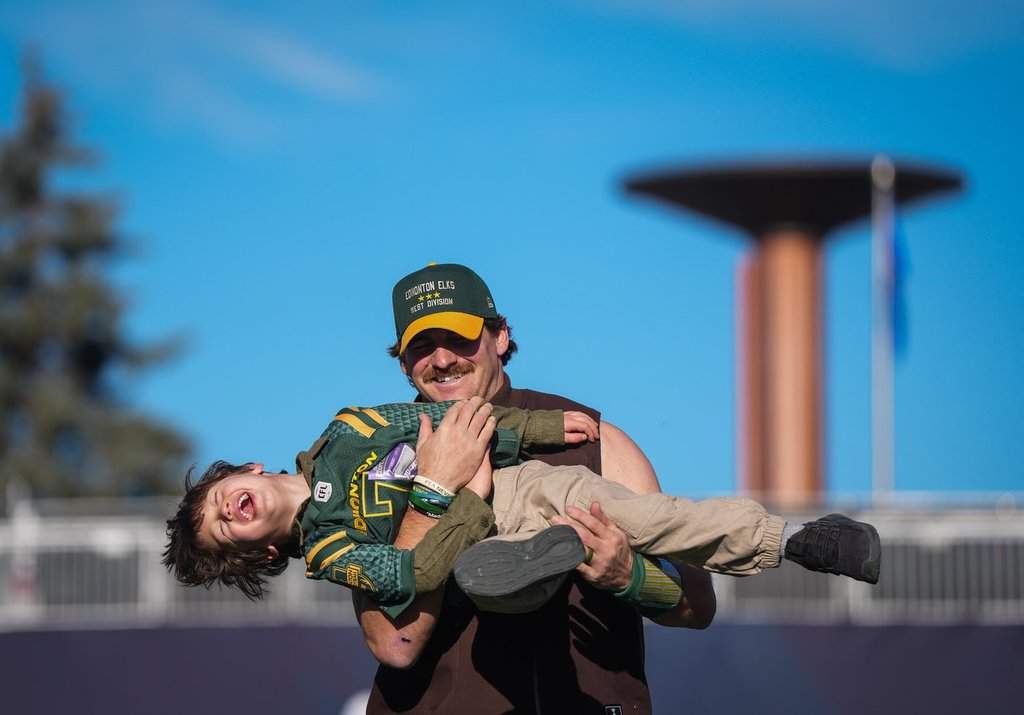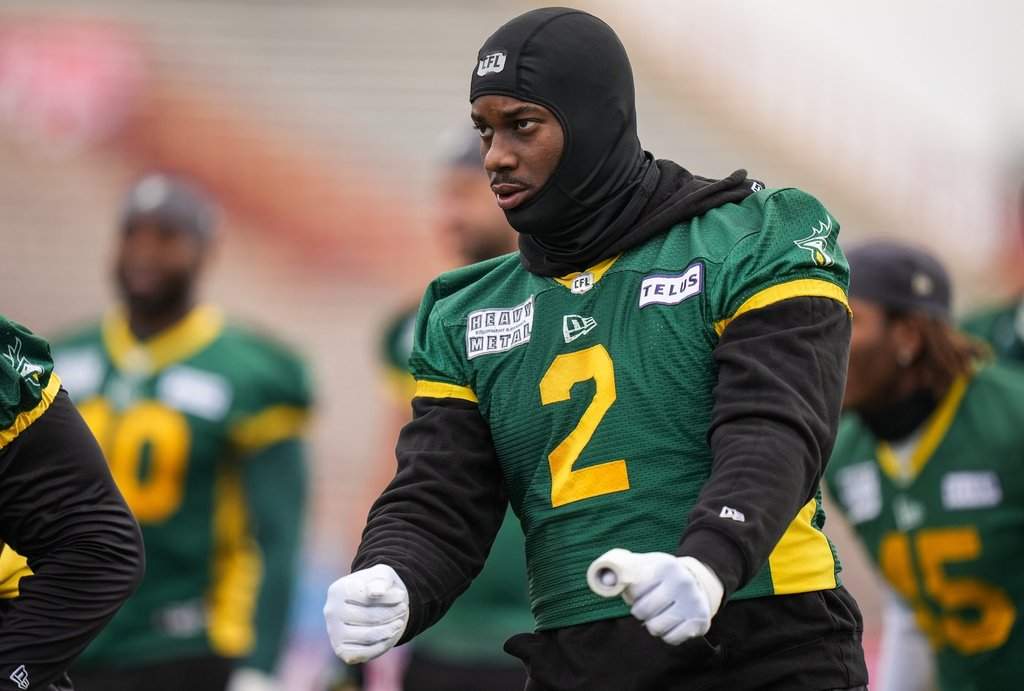
Winning a single championship in the Canadian Football League takes a minor miracle. Winning two in a row with completely different franchises? That's territory reserved for the true obsessive grinders of Canadian football. When news broke that Carney was heading to Edmonton to chase a Grey Cup repeat with the Elks, plenty of casual fans scratched their heads.
Why leave a proven winner? Why walk into a locker room that's been fighting uphill for years? If you enjoyed this article, you might want to check out: this related article.
If you've spent enough time around CFL front offices and training camps, the move makes total sense. Championship rings don't pay next year's bills, and comfortable veterans rarely stay on top for long in a nine-team league where everyone knows your tendencies by Week 4. Carney isn't just looking for another paycheck in Alberta. He's betting that the exact blueprint that delivered a title last season can wake up one of the league's most storied, frustrated franchises.
What the Competitor Coverage Misses About Carney's Move
Most surface-level sports blurbs treat CFL free agency like a simple game of musical chairs. A guy wins a ring, hits the open market, takes the biggest pile of cash offered by a rebuilding club, and talks about "culture" at his introductory press conference. For another angle on this story, see the latest update from Bleacher Report.
That lazy narrative completely misses how the CFL salary cap actually works.
Under the league's strict Canadian content ratios and hard salary cap, teams coming off a Grey Cup victory face an immediate talent drain. General managers simply cannot pay everyone what they're worth after a parade. If you stay put, you're often taking a hometown discount to play on a roster that just lost three starters to rival bidders. Moving to Edmonton allowed Carney to maximize his market value while stepping into a system that desperately needed his specific skill set.
Edmonton hasn't looked like the dominant powerhouse of decades past. The Elks have struggled with consistency, home-field woes at Commonwealth Stadium, and an inability to close out tight fourth-quarter games. Bringing in a proven champion isn't about nostalgia. It's about importing someone who knows what Tuesday afternoon film sessions look like in November when half the roster is playing through bruised ribs and freezing rain.
Why Edmonton Needed This Exact Type of Veteran
You can draft all the raw athleticism you want out of U Sports or pick up former NFL practice squad guys by the dozen, but the CFL game rewards situational awareness above almost everything else. Three downs change the math. A single missed assignment on second-and-seven sends your punt team onto the field and flips thirty yards of field position in four seconds.
Edmonton's biggest issue over the last few seasons hasn't been a lack of physical talent. It's been self-inflicted wounds. Drive-killing penalties, blown coverages late in the second quarter, and a visible sag in body language whenever things went sideways early.
Carney brings immediate credibility to that locker room. When a player who was holding the Grey Cup above his head a few months ago tells a younger teammate to adjust his alignment or lock in during a walkthrough, nobody rolls their eyes. You listen.
The Psychological Shift Inside Commonwealth Stadium
Playing in Edmonton carries a different kind of weight than playing in smaller CFL markets. The expectations are massive because the history is everywhere you look in that building. Every hallway reminds you of dynasty years and Hall of Fame legends. When the team loses, that history feels like a weight on your shoulders rather than wind at your back.
Veterans who have already conquered the mountain don't get intimidated by the ghosts in the rafters. They treat November football like a business trip. That emotional steadiness is contagious, especially for younger players who tend to grip the steering wheel too tight when the standings get crowded in September and October.
The Reality of Chasing Back-to-Back Grey Cups in the CFL
Let's be honest about the odds here. Repeating as a Grey Cup champion is brutal even when you keep the core roster intact. Doing it after switching jerseys is an uphill sprint.
Consider what has to go right over an 18-game regular season plus playoffs:
- Health at the right time: Every CFL roster gets chewed up by August. Surviving the Labour Day rematches without losing key coordinators or starters to the six-game injured list separates contenders from pretenders.
- Scheme translation: What worked in Carney's previous system won't automatically copy-paste into Edmonton's playbook. Offensive and defensive coordinators have to adapt their calls to fit his strengths rather than forcing a square peg into a round hole.
- Road toughness: If Edmonton wants to see the Grey Cup stage, they'll likely have to win at least one playoff game in a hostile environment like Winnipeg, Regina, or Vancouver.
The West Division doesn't hand out participation trophies. Every single week is a dogfight where a 4-10 team can knock off a first-place club if the turnover battle swings by two possessions. For Carney to pull off a personal repeat, the Elks don't need to dominate the league from June to October. They just need to stack enough early wins to stay in the hunt, stay healthy, and peak right around Thanksgiving.
Common Misconceptions About Champion Free Agents
Fans often assume that when a player wins a championship, they lose their edge. People love to talk about the "championship hangover" as if lifting a silver trophy magically erases a professional athlete's competitive wiring.
In reality, the opposite usually happens. Once you experience the chaos of Grey Cup week, the confetti, and the feeling of walking off the turf knowing nobody in the country could beat you, regular season wins feel kinda hollow. You get addicted to the November atmosphere. Players like Carney don't sign with rebuilding teams just to coast through training camp and collect per diems. They sign because they believe they're the missing piece that can drag a frustrated franchise back into the spotlight.
Another myth? That one player can single-handedly fix a broken culture. Football isn't basketball. One guy can't take twenty shots in the fourth quarter and carry four teammates across the finish line. Carney's real value won't just show up in the box score on Saturday nights. It'll show up in how the Elks practice on Wednesday mornings when nobody is watching and the cameras are off.
How to Watch Carney's Impact Early in the Season
If you're tracking whether this experiment is actually working in Edmonton, ignore the flashy highlight reels for the first month of the season. Watch the boring stuff instead.
Pay attention to how the Elks respond immediately after a turnover. Watch their communication before the snap when the stadium noise ramps up on third-and-short. Look at whether those costly, avoidable penalties start disappearing by Week 5. If Edmonton starts winning the ugly, low-scoring games that they used to throw away in the final two minutes, you'll know Carney's championship habits are taking root.
Grab your tickets for the early home dates at Commonwealth, keep a close eye on the West Division standings after Labour Day, and watch how quickly a proven winner can change the temperature in an entire locker room.