Political endorsement systems fail when the primary objective shifts from general-election viability to executive loyalty enforcement. The November 3, 2026 United States midterm elections provided a controlled experiment in this failure mode across three Southern states—South Carolina, Texas, and North Carolina—where Donald Trump's direct intervention in Senate candidate selection converted structurally safe or competitive seats into Democratic pickups. Rather than acting as a force multiplier, the presidential endorsement functioned as a negative selection filter that systematically depressed Republican vote share below baseline partisan partisanship.
Conventional political reporting frames these losses as simple voter dissatisfaction or an isolated mid-cycle backlash. That surface-level reading misses the underlying operational mechanics. When a party leader overrides local primary markets and institutional vetting mechanisms, the resulting nominee carries an unhedged liability into the general election. By examining the exact failure pathways in South Carolina, Texas, and North Carolina, strategists can isolate how loyalty-driven recruitment breaks down across distinct electoral environments.
The Three Failure Modes of Centralized Candidate Selection
In organizational theory, centralizing hiring decisions while removing meritocratic screening introduces adverse selection. In the 2026 Senate cycle, White House endorsement strategy bypassed traditional candidate quality metrics—such as fundraising breadth, prior electoral durability, and cross-party appeal—in favor of personal alignment. This approach generated three distinct structural vulnerabilities across the Southern map.
1. The Nepotistic Substitution Effect in South Carolina
South Carolina represents the baseline test for partisan inelasticity. The state had not elected a Democratic senator since 1998 and backed Trump by 18 percentage points in the 2024 presidential election. Under standard political gravity, any vetted Republican nominee should clear the general election threshold with minimal national expenditure.
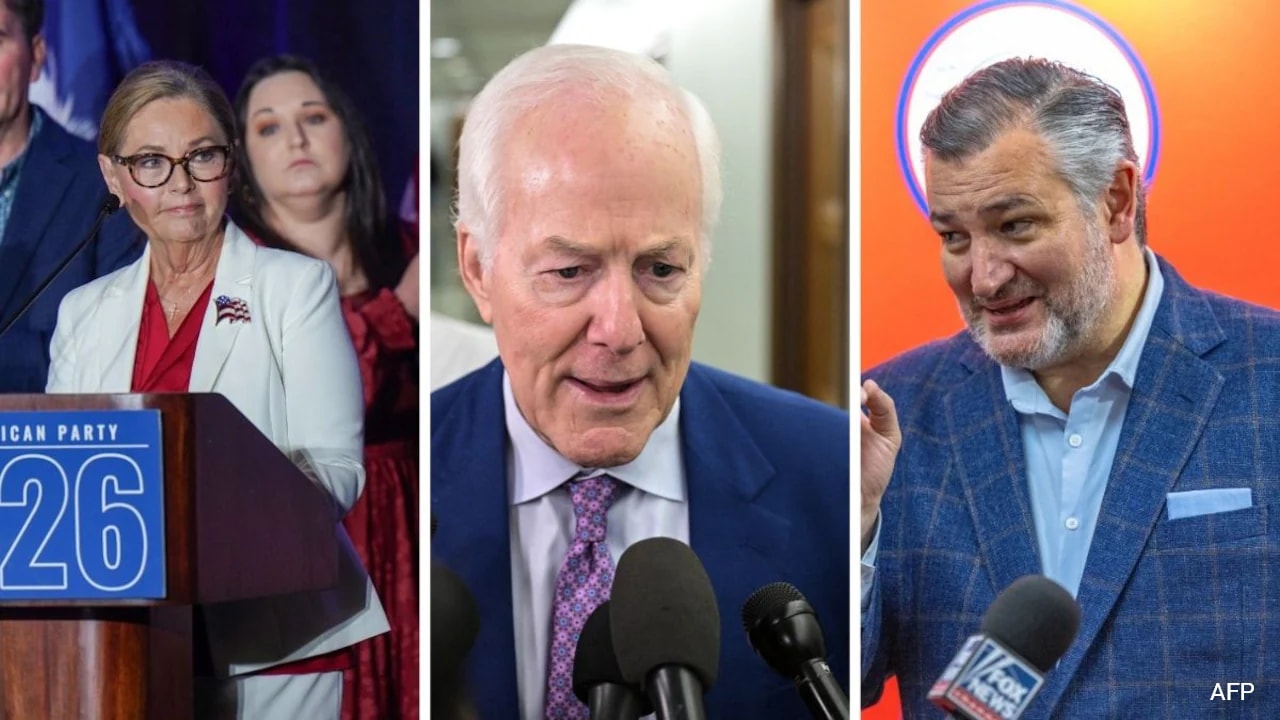
Following the unexpected death of Republican Senator Lindsey Graham in July 2026, the vacancy required an appointment and a subsequent special election campaign. Rather than consolidating behind an experienced state legislator or sitting House member, Trump backed Darline Graham, the late senator's sister, who possessed zero formal political experience. The intervention alienated sitting South Carolina congressmen and fractured the state party's institutional apparatus.
- Institutional Friction: By forcing an unvetted surrogate onto the ballot, the endorsement triggered an internal resource war, draining political capital against local Republican stakeholders rather than consolidating it against the opposition.
- Qualification Deficit: Democratic nominee Annie Andrews, a physician, capitalized on the contrast between professional credentialing and dynastic appointment.
- Turnout Asymmetry: Without a competitive primary to test Graham's media discipline or policy fluency, the campaign lacked the operational infrastructure to defend an 18-point partisan buffer, resulting in an upset victory for Andrews.
2. The Incumbent Displacement Penalty in Texas
If South Carolina demonstrates the risk of elevating an unvetted novice, Texas illustrates the cost of purging a proven incumbent. Texas had not elected a Democrat to the U.S. Senate since 1988. Sitting Republican Senator John Cornyn possessed deep donor networks, high name recognition, and a repeatable formula for winning suburban and independent voters in a diversifying state.
Trump refused to endorse Cornyn in the Republican primary, throwing his weight behind Texas Attorney General Ken Paxton. Paxton brought severe baggage into the race, including a prior impeachment—though he was acquitted—and ongoing legal and ethical controversies. In the language of political economy, Trump traded an asset with low variance and high general-election floor for an asset with high base enthusiasm and a collapsed ceiling.
The general election math broke down along predictable lines:
- Character Attrition: According to the AP Voter Poll, roughly two-thirds of Texas Senate voters stated that Paxton lacked the character required to serve as a senator.
- Suburban Defection: College-educated suburban voters in the Dallas-Fort Worth, Houston, and Austin metroplexes who routinely split their tickets for traditional Republicans like Cornyn refused to ratify Paxton's elevation.
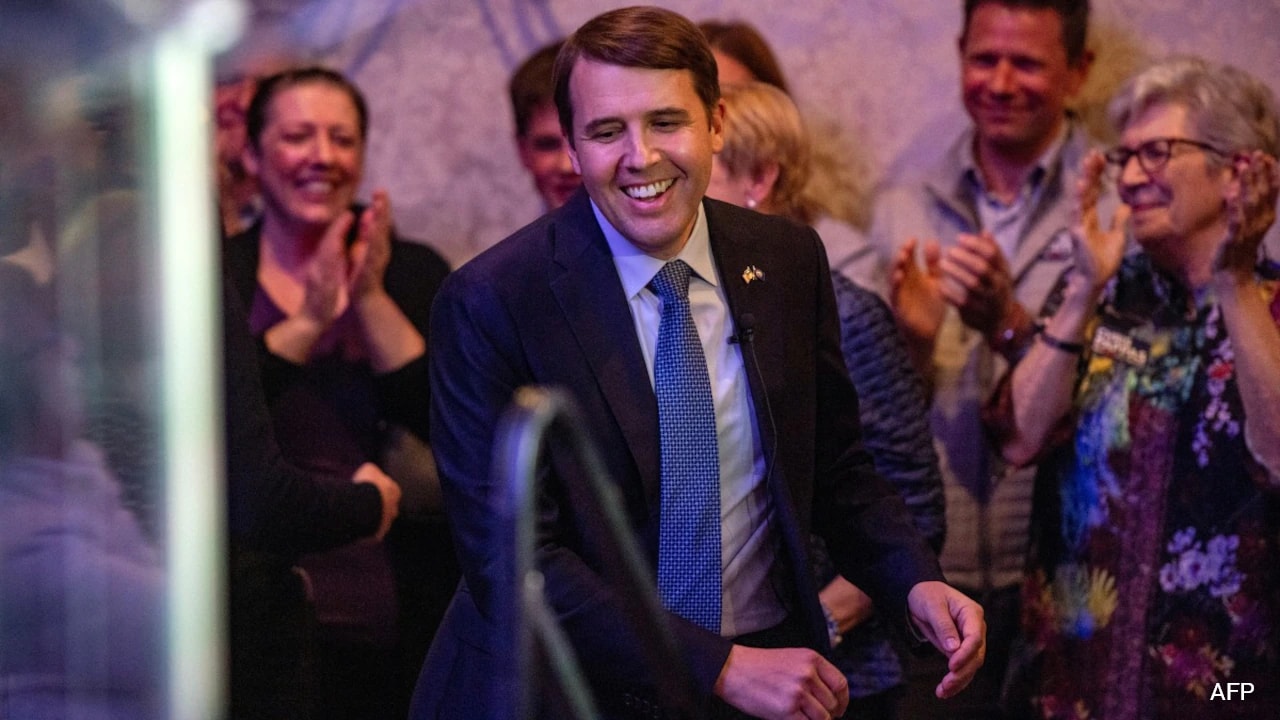
- Opponent Contrast: Democratic nominee James Talarico, a state representative, ran a disciplined campaign aimed squarely at disaffected moderates, gliding to a victory that ended nearly four decades of Republican Senate dominance in the state.
3. The Forced Retirement Vacuum in North Carolina
North Carolina operates as a true swing state where candidate recruitment determines narrow margins. Incumbent Republican Senator Thom Tillis had previously demonstrated the ability to survive tight statewide contests by balancing conservative legislative votes with moderate signaling. However, repeated clashes with Trump over loyalty and policy led Tillis to retire rather than face a scorched-earth primary.
The departure of Tillis created a strategic vacuum that immediately altered the Democratic recruitment calculus. Former Democratic Governor Roy Cooper, a two-term executive with high statewide approval and proven crossover appeal, entered the race—a move Republican strategists noted he likely would have avoided against an entrenched incumbent.
To fill the seat it had effectively emptied, the White House selected former Republican National Committee chairman Michael Whatley. Whatley's profile as a national party apparatus insider made him an extension of the administration rather than an independent voice for North Carolina voters.
- Over-Alignment Drag: AP Voter Poll data showed that approximately 6 in 10 North Carolina voters viewed Whatley as "too supportive" of Trump.
- Capital Flight: By October 2026, internal polling showed Whatley trailing so badly that the primary Republican Senate Super PAC canceled its remaining reserved television advertising in the state, triaging the race weeks before Election Day.
- Cascading Down-Ballot Losses: The collapse at the top of the ticket depressed Republican turnout across the state, contributing to Democratic flips in North Carolina U.S. House districts.
The Asymmetry of Coattails and Midterm Gravity
To understand why these endorsements failed simultaneously across three states, analysts must separate presidential general-election dynamics from midterm off-year dynamics. In a presidential election year, a charismatic top-of-the-ticket figure drives low-propensity irregular voters to the polls. Those voters frequently cast straight-ticket ballots, lifting flawed down-ballot candidates across the finish line.
Midterm elections invert this electorate. Turnout drops disproportionately among irregular populist voters, leaving behind a higher-propensity electorate dominated by suburban independents, college-educated voters, and engaged partisans. In this environment, a presidential endorsement does not import the president's personal turnout machine; it imports the president's approval rating without the president's name on the ballot.
Heading into November 3, 2026, Reuters/Ipsos polling showed Trump's approval rating sitting lower than it had been in the immediate aftermath of the January 6, 2021 Capitol attack. Simultaneously, administration internal polling from six weeks prior to Election Day already projected the loss of both the House of Representatives and the Senate.
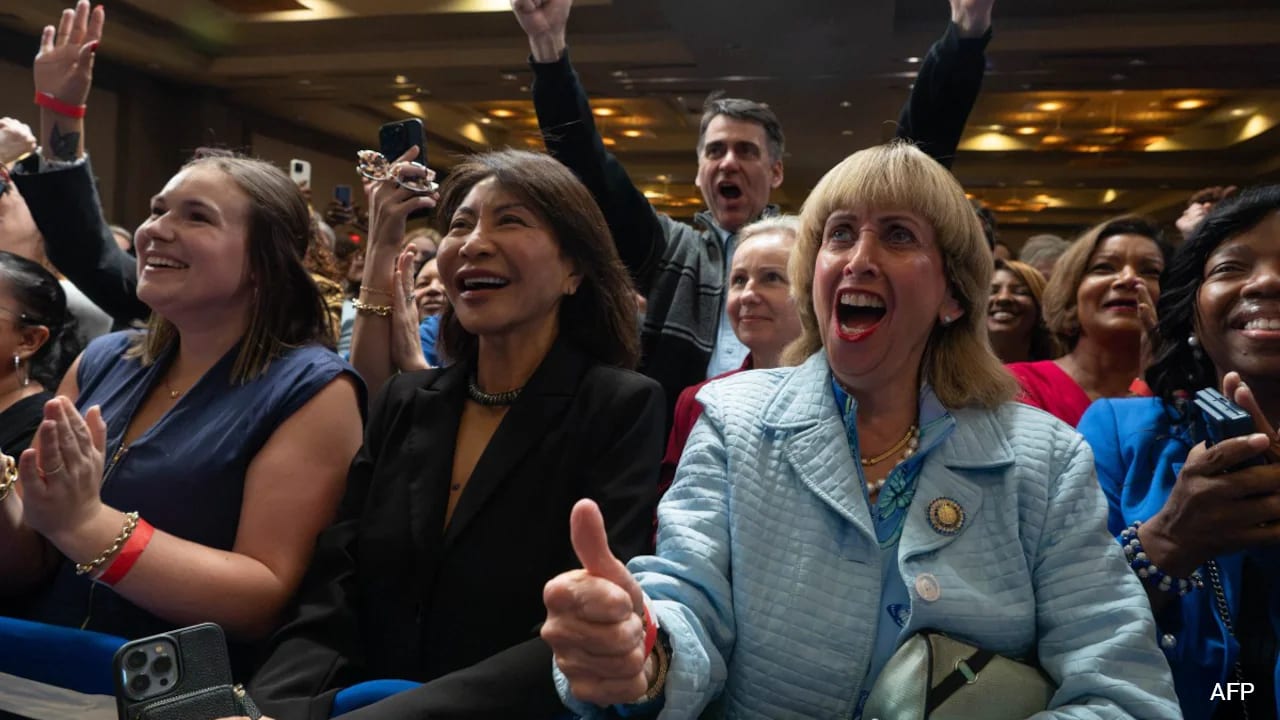
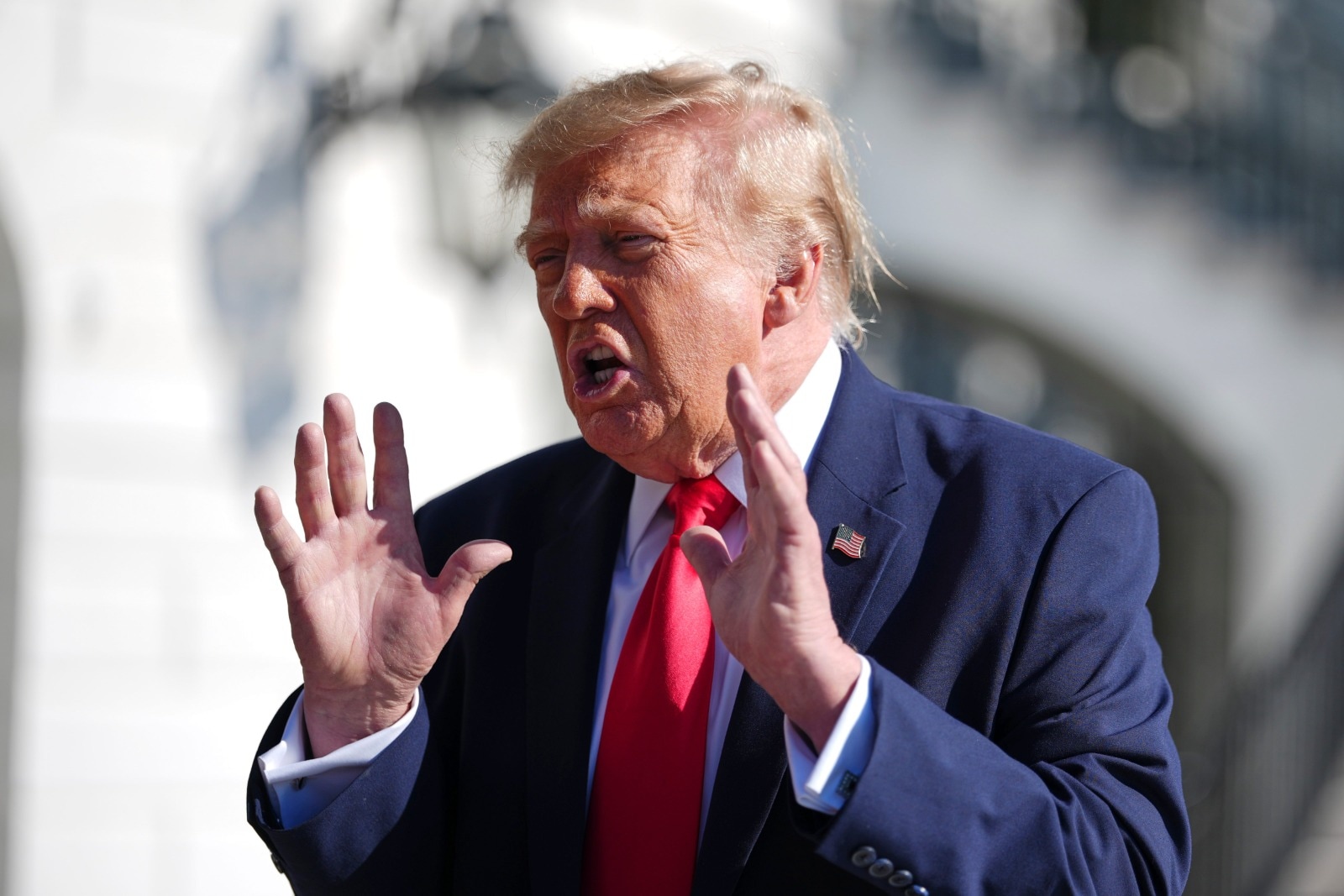
This created a fatal strategic contradiction. Trump asked voters to treat the midterm races as a direct proxy for himself. Yet when the returns came in—handing Democrats Senate seats in South Carolina, Texas, North Carolina, and Michigan, alongside key pickups in Ohio, Iowa, and Kansas—Trump immediately sought to decouple himself from the outcome, posting on social media that he was not on the ballot and would have won in a landslide if he had been.
That statement inadvertently confirmed the core flaw of his endorsement model. A political brand that cannot transfer its equity to surrogates—and actively penalizes surrogates who mimic its style without possessing its unique charisma—is a non-scalable asset.
Quantifying the Endorsement Penalty Across Ballot Tiers
Data compiled by Ballotpedia and analyzed following the November 2026 elections confirms that the endorsement drag was not limited to three Senate races, though the Senate losses carried the highest structural cost by flipping chamber control to the Democrats.
- Gubernatorial Attrition: Only 9 of the 23 Trump-endorsed Republican gubernatorial candidates won their races in 2026, down from 10 of 21 in the 2022 midterms. Four of those nine winners were protected by incumbency. Crucially, every single Trump-endorsed gubernatorial nominee running in a race rated as a "toss-up" by the Cook Political Report lost.
- House District Bifurcation: Roughly 70% of Trump-endorsed U.S. House candidates won their elections in 2026, a sharp drop from the 86% win rate recorded in 2024. Because the majority of House endorsements go to safe incumbents in heavily gerrymandered districts, the headline win rate masks severe underlying weakness: when isolating competitive swing districts, the majority of Trump-endorsed House candidates lost to their Democratic challengers.
These figures illustrate the Substitution Fallacy in political endorsements. Endorsements are frequently credited with victories in safe districts where the party's baseline partisan lean guarantees a win regardless of the nominee. In competitive or wave-exposed environments—where marginal persuasion actually determines the outcome—the endorsement acts as a ceiling rather than a floor.
The Cost Function of Primary Interference
From a game-theory perspective, primary interference imposes a three-stage tax on the party's general election balance sheet:
- The Ideological Extremity Tax: To secure the executive endorsement, primary contenders must adopt maximalist positions on divisive issues and pledge unconditional personal loyalty. While optimal for winning a closed primary electorate, these positions become immutable soundbites in general election attack ads.
- The Donor and Institutional Alienation Tax: When national leadership attacks local congressmen (as in South Carolina) or forces out viable incumbents (as in Texas and North Carolina), traditional state-level fundraising bundlers and institutional operators disengage. As former North Carolina Republican Governor Pat McCrory observed following the rout, spending political capital against one's own party fractures the coalition required to turn out marginal voters in November.
- The Opportunity Cost of Triage: Every dollar spent defending an artificially weakened incumbent seat—or wasted before pulling out of a collapsing race like North Carolina—is capital denied to genuine offensive pickup opportunities. In 2026, Republicans failed to unseat Democratic incumbent Jon Ossoff in Georgia and failed to capture open Democratic seats in New Hampshire and Michigan, in part because defensive fires in historically red states consumed finite national committee bandwidth.
Limitations of the Candidate Quality Thesis
Rigorous analysis requires acknowledging where candidate-selection arguments stop and macro-environmental forces begin. Even if Republicans had nominated John Cornyn in Texas, Thom Tillis in North Carolina, and an experienced congressman in South Carolina, the party still faced severe headwinds in November 2026.
First, the Midterm Penalty is one of the most durable laws in American political science: the party holding the White House almost always loses congressional seats in midterm elections as the opposition electorate mobilizes against executive governance. Second, voter frustration with economic conditions and administration policies created a national environment favoring the out-party.
Furthermore, Democratic candidates were not universally beloved; polling indicated that just under half of voters held a favorable view of the Democratic Party, compared to roughly four in ten for the Republicans. Democrats won not because of an ideological realignment toward progressive policies, but because they nominated disciplined, locally tailored candidates—like Cooper in North Carolina, Andrews in South Carolina, and Talarico in Texas—who functioned as acceptable vessels for anti-incumbent sentiment.
However, macro headwinds explain why races become competitive; they do not explain why an 18-point Republican stronghold like South Carolina or a 38-year Republican fortress like Texas flips outright. Macro waves sink marginal boats; poor candidate selection drills holes in the hull of battleships.
Strategic Restructuring for the 2028 Cycle
With Democrats controlling both chambers of Congress following the November 2026 sweep, Republican leadership and Senate campaign committees cannot rely on executive popularity to rescue future maps. Rebuilding a viable Senate majority for 2028 requires dismantling the centralized loyalty-endorsement model and instituting strict institutional guardrails.
Party committees and major donor networks must enforce three operational rules prior to the 2028 primary filing deadlines:
- Ring-Fence Incumbent Protection: National campaign committees and aligned Super PACs must adopt an automatic financial firewall defending any sitting senator with a positive general-election net approval rating, regardless of executive primary endorsements. Neutralizing primary challengers early preserves capital and prevents forced retirements like Tillis's in North Carolina.
- Enforce Pre-Primary Electability Audits: Before allocating coordinated campaign funds or ballot access support, party leadership must subject prospective open-seat nominees to blind general-election polling against top-tier Democratic benchmarks. Any candidate polling more than five points behind generic party ballot performance—or carrying high personal character negatives like Paxton in Texas—must be starved of institutional funding during the primary phase.
- Decentralize Messaging Architecture: Down-ballot nominees in purple and light-red states must be explicitly decoupled from White House communications strategy. Candidates should run on localized economic metrics and state-specific governance records rather than nationalized loyalty pledges, forcing Democratic opponents to run against local records rather than national executive approval ratings.