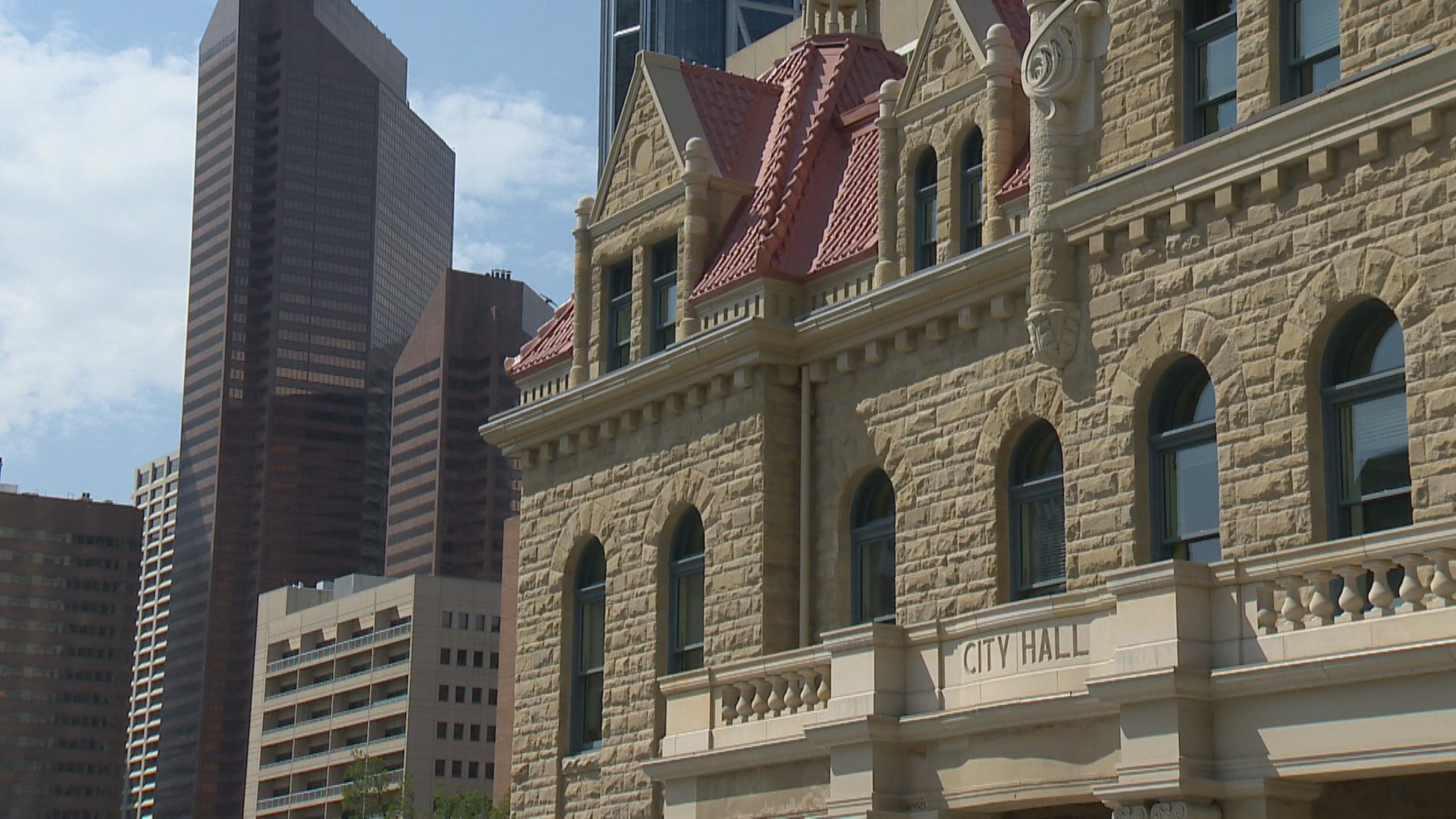
Calgary city administration has proposed a 15% municipal property tax increase for 2027 as the opening salvo of its 2027–2030 four-year budget, a move that would add $37 a month to the typical homeowner's tax bill and $16 a month in higher water and waste fees. That combined $53 monthly jump—or $636 a year—is only the beginning. The draft plan schedules additional property tax hikes of 10% in 2028, 7.7% in 2029, and 6% in 2030, compounding the burden every twelve months while residential water rates climb a staggering 74% over the same four-year window.
Over 260 Calgarians signed up to address council during public hearings starting November 23, 2026, turning City Hall into a pressure cooker. Mayor Jeromy Farkas has already signaled that the full 15% figure is unlikely to survive council deliberations intact, warning departments that nobody gets a free pass. Yet focusing solely on whether council shaves three or four points off that headline number misses the structural trap built into Calgary's municipal finances.
The Anatomy of a $6 Billion Squeeze
To understand how a booming Canadian city ended up staring down a 15% single-year tax spike, you have to look at the revenue mix inside the proposed $6 billion 2027 operating budget. Property taxes and levies account for 49% of all operating revenue. Another 30% comes from the sale of goods and services, while provincial and federal government grants represent a microscopic 1%.
Canadian municipalities operate under constitutional handcuffs. Unlike provinces or Ottawa, cities cannot levy income taxes or sales taxes, and they are legally barred from running operating deficits. When inflation drives up the cost of asphalt, police overtime, and pipe steel, or when population growth outpaces revenue, a city council has only two real levers to pull—cut services or raise property taxes and utility fees.
For years, previous Calgary councils softened the blow on homeowners by leaning on one-time reserve draws, deferring routine maintenance, and shifting a disproportionate share of the tax burden onto downtown commercial properties. Those cushions are gone. Downtown office assessments collapsed after the oil downturn and never fully recovered, forcing a slow, painful rebalancing back onto residential taxpayers. Look closely at the fine print in the 2027–2030 budget book and a quiet detail emerges. While administration asks for a 15% overall increase in municipal property tax revenue from existing properties, the median single-family home actually faces a 16.1% jump—rising from $228.92 a month in 2026 to $265.75 a month in 2027—because a slice of the tax burden is actively shifting from non-residential properties onto houses.
What the Headline Number Hides
Public debate around municipal budgets almost always gets tripped up by what a property tax bill actually contains. When Calgarians open their mail in May, the figure at the bottom is a composite of two entirely different governments.
- The Municipal Portion. This is the money City Hall keeps to fund transit, police, fire, parks, and roads. It is the only piece subject to the proposed 15% increase. For a typical home assessed at $706,000 in 2026—and projected to dip roughly 3% to $688,000 in 2027 due to expanded housing supply—this municipal share jumps from $2,748 a year to $3,192.
- The Provincial Education Tax. Calgary collects this levy on behalf of the Government of Alberta, which sets the rate independently. In October 2026, Municipal Affairs Minister Dan Williams announced adjustments to the provincial education tax structure designed to cut that portion for households by roughly 7.5%. City estimates suggest that change will shave about $10 a month off the typical homeowner's provincial levy.
Factor in that $10 provincial offset, and the net increase on the combined property tax bill drops from $37 a month to roughly $27 a month.
That relief vanishes the moment you open your utility statement. Water, wastewater, and stormwater charges sit completely outside the property tax calculation. Council already gave preliminary approval to steep utility rate hikes in October 2026 to pay for $1.7 billion in upgrades to the Pine Creek and Fish Creek wastewater plants alongside $616 million in broader water infrastructure. For a typical household using 19 cubic metres of water a month, the combined water and waste bill climbs from $140 to $156 a month in 2027, on a trajectory that pushes water bills alone past $206 a month by 2030.
| Housing Type | 2026 Monthly Municipal Tax | Proposed 2027 Monthly Tax | Projected 2030 Monthly Tax | 2027 Percentage Jump |
|---|---|---|---|---|
| Median Single-Family Home | $228.92 | $265.75 | $338.25 | +16.1% |
| Median Condo | $112.50 | $126.50 | $161.00 | +12.4% |
| Typical Business Property | $8,261.33 | $9,447.50 | N/A | +14.4% |
Condo owners fare noticeably better in dollar terms because their assessed values are lower, seeing a $14 monthly bump rather than $37. Renters sit in a murkier spot. Multi-residential apartment buildings face a proposed jump on their median municipal tax bill from $8,443 to $9,779 a year. Because Alberta has no rent control, landlords can pass those operating cost increases directly onto tenants at lease renewal, though rising apartment supply across Calgary in 2026 has begun to limit how aggressively building owners can push rents without triggering vacancies.
The Infrastructure Bill Comes Due
Critics who line up at the microphone at City Hall routinely demand that administration simply "find efficiencies" and cut bureaucratic fat. Every city budget has padding worth trimming. Spending $13.6 million to replace 311 software or allocating $47 million to redevelop the Forest Lawn Civic Centre invites legitimate scrutiny when families are struggling with mortgage renewals.
Still, pretending that belt-tightening alone can erase a 15% gap ignores physical reality. Calgary is paying the price for decades of low-density sprawl and deferred maintenance. Every new suburban community approved at the edge of the city—and the 2027 budget includes eight new community growth applications meant to enable over 16,000 homes—adds kilometers of asphalt, water mains, storm sewers, and transit routes that the city must plow, patrol, and eventually replace.
Mayor Farkas framed the dilemma bluntly ahead of the November hearings, calling it an infrastructure crisis where kicking the can down the road only guarantees a larger bill later. Calgary's catastrophic feeder main rupture in 2024 proved what happens when underground pipes are pushed past their design life. You cannot negotiate with a corroded concrete water main, and you cannot ask firefighters or police officers to respond to calls in a fast-growing metropolis using budgets frozen in 2019.
The Provincial Downloading Friction
Behind the scenes, the budget debate is also a proxy war between City Hall and the Alberta legislature. Municipal leaders across the province have grown increasingly vocal about provincial downloading—costs that quietly migrate onto municipal ledgers when the province alters grant formulas, underfunds social services, or leaves cities to manage the street-level fallout of addiction and housing crises.
When Minister Williams touts a 7.5% provincial education tax cut while criticizing Calgary's 15% municipal proposal, it creates sharp political theater. Yet municipalities point out that education property taxes collected inside Calgary still send billions to Edmonton, while capital infrastructure grants for cities have failed to keep pace with inflation and record migration. Both levels of government claim they are protecting the taxpayer, leaving the homeowner stuck in the middle paying both bills out of the same bank account.
The Anchoring Game at City Hall
Anyone who has covered municipal politics for more than a decade recognizes the choreography happening in Calgary right now. Bureaucrats present a terrifying opening number. Councillors express shock and vow to fight for families. After days of tense debate and late-night amendments, council trims the hike down to 8% or 9% and declares victory.
Farkas himself pointed to this exact dynamic when discussing the preliminary numbers, noting that council previously started deliberations at 6% before whittling the final figure down. That political theater serves a purpose for politicians who want to look tough on spending, yet it carries real consequences. Shaving 6 percentage points off a 15% budget proposal means cutting roughly $150 million to $200 million in planned spending or raiding rainy-day reserves.
If council cuts that deeply without cancelling major capital projects, the reductions inevitably hit visible daily services—fewer transit routes, slower snow clearing on residential streets, reduced hours at recreation centers, or delayed hiring for police and fire crews. Conversely, if council uses one-time reserve funds to artificially depress the 2027 tax rate, it creates a fiscal cliff in 2028, forcing even steeper hikes later.
What Homeowners Should Watch Before Final Approval
Council deliberations run through late November, with final budget approval scheduled for December 2026. Watching the headline percentage is useful, but three specific decisions during those floor debates will determine what actually happens to your wallet.
First, watch how council handles the tax shift between residential and non-residential properties. Business groups lobby relentlessly to lower the ratio between commercial and residential tax rates. Every tenth of a point council shifts away from businesses lands directly on homeowners.
Second, pay attention to reserve fund transfers. Any reduction in the 2027 tax hike achieved by dipping into fiscal stability reserves is not a real savings; it is a temporary deferral that will reappear on your 2028 bill.
Third, check your January 2027 property assessment notice carefully. Because Calgary's overall residential market cooled slightly over the past year, average assessments are dipping around 3%. Property taxes are a zero-sum pie. If your home's assessed value dropped by 3%, your tax increase will match the city average; if your neighborhood held its value while others fell, you will absorb a larger share of the hike regardless of what rate council passes. You have a strict 67-day window from the mailing date in January to challenge an inaccurate assessment before tax bills are locked in for May.
Even if Mayor Farkas and council succeed in hacking the 2027 proposal down to single digits, the underlying math of Calgary's four-year budget remains unforgiving. Between aging underground utilities, relentless population growth, and a shrinking commercial tax cushion, cheap municipal government in Calgary is officially over.