Vacations make people do strange things. You wander through bustling night markets, sip local beer, and buy things you would never dream of purchasing back home. But when an Australian tourist was arrested in Hong Kong for allegedly carrying an imitation gun, a harmless souvenir hunt turned into a global cautionary tale.
It started as a simple moment of holiday indulgence. It ended with counter-terrorism officers swarming a crowded bar.
This case is about much more than one unfortunate traveler having a terrible night. It exposes the dangerous disconnect between Western vacation culture and the uncompromising security realities of global mega-cities. If you assume your home country's common sense protects you overseas, you are walking into a trap.
A Souvenir Shopping Mistake That Triggered a Counter Terrorism Response
The incident unfolded on a Wednesday night in the vibrant Jordan district of Hong Kong. Temple Street and Sai Kung Street were buzzing with life. Locals and travelers packed the narrow lanes, enjoying the humid autumn evening.
Into this scene stepped a 36-year-old Australian visitor. He had spent his evening drinking. Tucked into his possession was a pistol-like object—a simple plastic toy he intended to bring home as a gift for his son. To someone relaxed and deep into holiday mode, it was child's play. To patrons inside a local bar, it looked like a genuine firearm.
Panic spread quickly. Someone called the police.
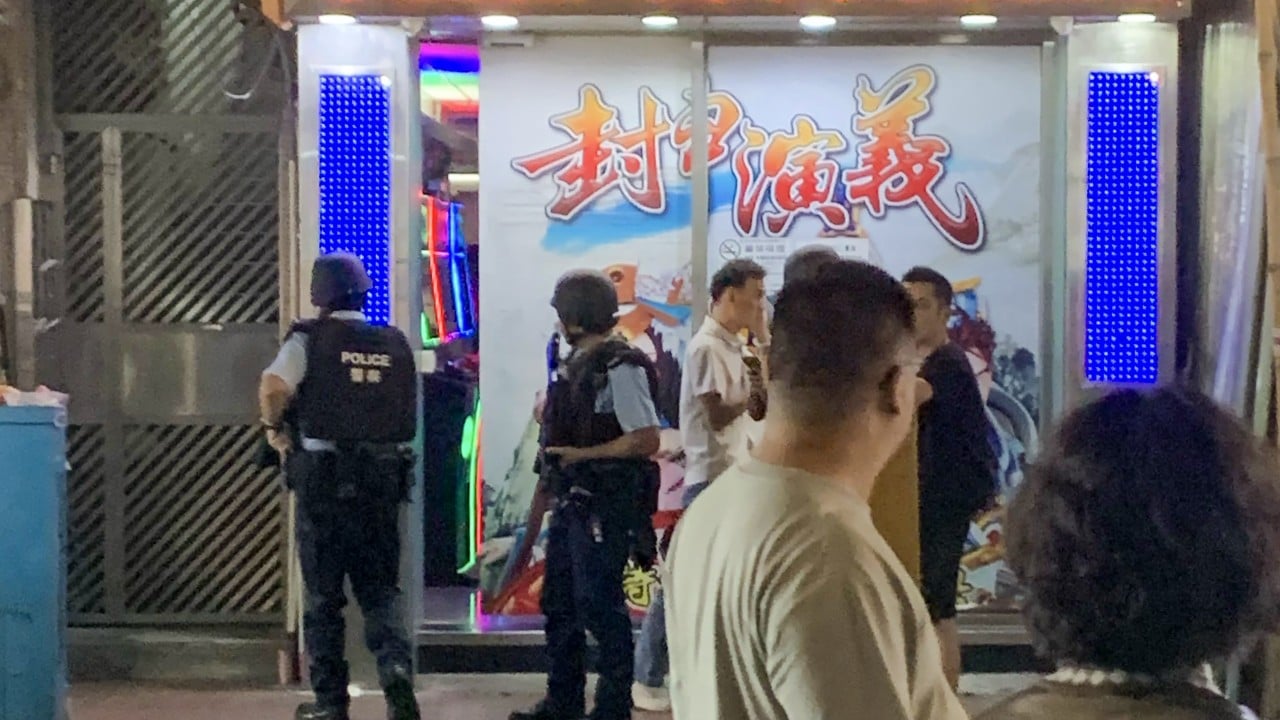
Within minutes, the atmosphere shifted from lively to terrifying. Hong Kong law enforcement does not treat potential firearm sightings lightly. Officers arrived at the scene wearing heavy ballistic vests and helmets. Counter-terrorism units were deployed. The street outside the bar turned into a high-stakes lockdown zone.
The tourist was quickly detained. But that was only the opening act of a very long, very painful night.
Inside the Holding Cell and the Escalation
Being detained by foreign police is terrifying. Sobriety often returns in a sudden, crashing wave. According to reports from regional outlets, the situation deteriorated rapidly after the suspect arrived at the Yau Ma Tei Police Station.
Alcohol, stress, and disorientation proved to be a volatile combination. While held inside the station, the Australian man allegedly grew agitated. He lashed out, damaging a wall section and a smoke detector.
Just like that, a single misunderstanding over a plastic toy morphed into multiple criminal charges. Police slapped him with a second arrest on suspicion of criminal damage. The night took another physical toll when the man reported feeling unwell, requiring an emergency ambulance transfer to Kwong Wah Hospital.
His family, holiday plans shattered, had to navigate consular assistance through the Australian Department of Foreign Affairs and Trade. What was supposed to be a memorable family trip turned into court dates at the West Kowloon Magistrates' Courts.
The Strict Legal Reality of Firearms in Hong Kong
Why did a plastic toy trigger such an aggressive, unyielding response? The answer lies in Hong Kong's unique legal framework regarding public safety and weapons.
Many Western travelers assume that if an object is obviously fake, toy-like, or harmless, local authorities will simply laugh it off, confiscate the item, and send you on your way. That assumption is dangerously naive. Hong Kong maintains exceptionally strict controls over anything resembling a weapon.
Under Hong Kong's Firearms and Ammunition Ordinance, possessing an imitation firearm is treated as a serious criminal offense carrying a maximum penalty of up to two years in prison. Even if defense lawyers argue successfully in court that the object is merely a children's toy rather than a realistic imitation firearm, alternative charges still carry legal penalties, ranging from hefty fines to months behind bars.
The secondary charge of criminal damage under the Crimes Ordinance carries an even heavier hammer—potentially up to ten years in prison. Smashing a smoke detector and damaging a police station wall while drunk is not a minor misdemeanor in the eyes of the judicial system. It guarantees that prosecutors will take a hardline stance, regardless of your tourist status.
Why Cultural Blind Spots Trap Unsuspecting Travelers
We tend to travel with our domestic safety bubbles intact. If you live in a country where novelty toy guns are sold openly at every beachside kiosk or tourist trap, you assume the rest of the world operates on the same casual wavelength.
That is a fatal mistake.
Global mega-cities like Hong Kong operate under intense population density and strict security protocols. Public spaces are heavily monitored. Law enforcement response times are measured in seconds, not minutes. When a report comes in about a man carrying a pistol-like object inside a crowded bar, police cannot afford to stop and ask if it shoots foam darts or plastic pellets. They must treat every potential threat as absolute reality until proven otherwise.
Tourists often forget that they are guests in jurisdictions where civil liberties, police powers, and penal codes differ radically from their home nations. Ignorance of local laws has never been a valid legal defense. Saying "I didn't know" or "It's just a toy" does not override the physical presence of a replica weapon in a restricted or sensitive public venue.
Alcohol and Impulsion A Dangerous Travel Cocktail
Let us address the elephant in the room. Alcohol was a major catalyst in this entire fiasco.
Vacation drinking is a universal pastime. Grabbing a few cold beers after a long day of sightseeing feels like standard holiday relaxation. But lowering your inhibitions in a foreign country is a recipe for disaster.
When you mix alcohol with unfamiliar cultural norms, foreign police officers, and language barriers, small misunderstandings quickly spiral out of control. If the tourist had remained calm, cooperated with officers from the start, and explained the toy's origin without escalating into station-house property damage, the outcome might have looked entirely different. A brief questioning session could have ended with a confiscated toy and a stern warning.
Instead, poor decision-making compounded the crisis. Damaging police property transformed a simple weapons investigation into an open-and-shut vandalism case.
Practical Lessons for International Travelers
If you are planning an international trip anytime soon, take a hard lesson from this unfortunate episode.
First, leave the novelty weapons at home. Do not buy replica firearms, toy guns, prop knives, or tactical gear while traveling abroad, and definitely do not carry them into bars, restaurants, or public streets. What looks like a fun souvenir to you looks like an active threat to everyone else.
Second, understand that local law enforcement agencies around the world prioritize immediate public safety above tourist convenience. When armed officers show up, compliance is your only option. Arguing, resisting, or lashing out guarantees that a minor issue becomes a life-altering legal catastrophe.
Third, keep your wits about you. Alcohol impairs judgment. In a foreign country, you do not have the luxury of making mistakes. One bad night can cost you thousands of dollars in legal fees, weeks of detention, and permanent marks on your record.
Travel is supposed to expand your worldview, not land you in a foreign holding cell. Respect local laws, keep your souvenirs packed safely in your luggage, and leave the toy guns on the shelf.