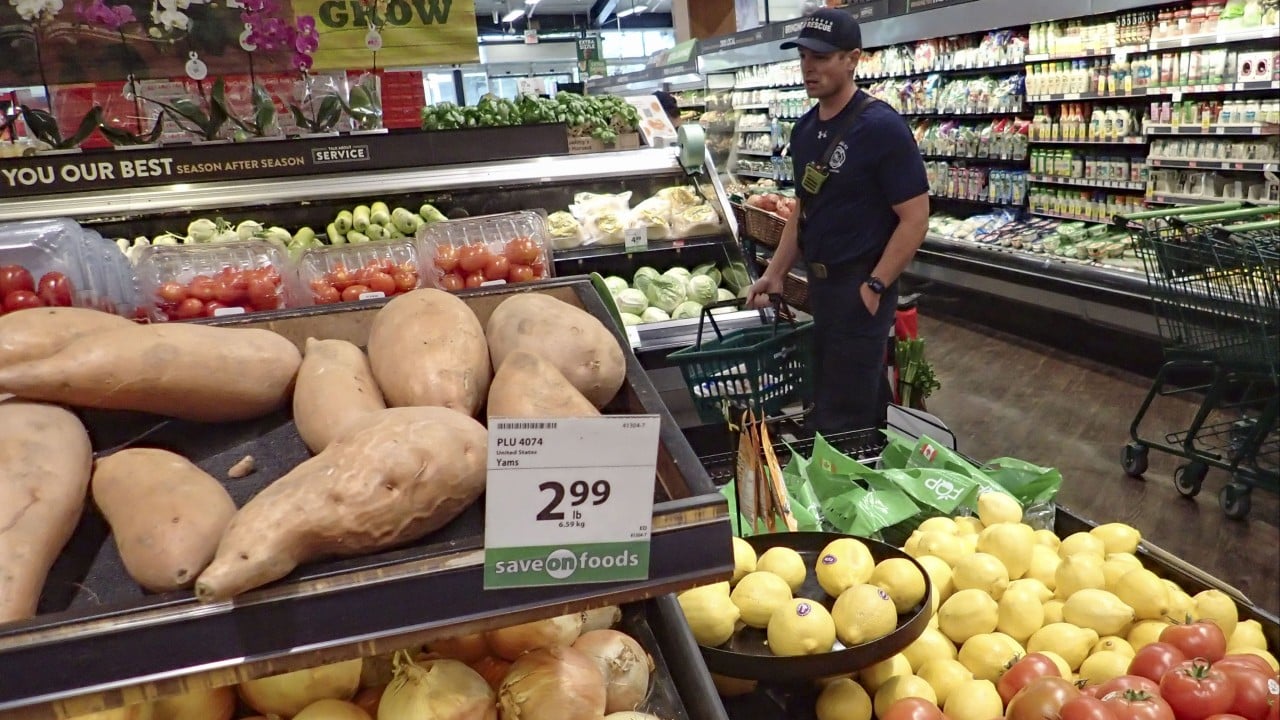
Canadian grocery aisles are undergoing a nationalist revival. Walk into any Loblaws or Sobeys from Toronto to Vancouver and you will see shelves plastered with red maple leaf insignias. Consumers are boycotting American goods out of political spite, convinced that buying domestic produce and products keeps wealth in the community and starves foreign conglomerates.
It feels righteous. It sounds patriotic.
It is also an absolute masterclass in economic illiteracy.
I have watched supply chain executives nod along to the buy-local chorus in public boardrooms while quietly executing cross-border arbitrage behind closed doors. They know what the angry consumer refuses to admit: absolute self-sufficiency in a cold northern climate is an expensive delusion.
When you demand that a country with a frozen growing season for half the year relies strictly on domestic agricultural output, you are not supporting local farmers. You are signing up for structural inflation, smaller product selection, and a massive hit to your own purchasing power.
Let us dismantle the prevailing lazy consensus.
The Geographic Reality Check Nobody Wants to Hear
Geographic determinism is undefeated. Canada shares a nearly nine-thousand-kilometer border with the most productive agricultural powerhouse on earth. For decades, integrated supply chains allowed fresh California strawberries, Mexican avocados, and Midwestern beef to flow northward with frictionless efficiency.
That integration kept grocery inflation relatively contained. It allowed a working-class family in Calgary to eat fresh vegetables in January without taking out a personal loan.
When protectionist impulses take over, grocery executives do not magically conjure up domestic alternatives out of thin air. Instead, they hit supply bottlenecks.
The Cost of Artificial Borders
Supply chains operate on economies of scale. When you erect artificial walls around a domestic market of forty million people, you fragment those scales immediately.
- Input Costs: Canadian farmers face some of the highest fertilizer, fuel, and regulatory compliance costs in the developed world.
- Climatic Constraints: Greenhouses require massive energy inputs during Canadian winters. Heating a greenhouse in Saskatchewan when it is minus thirty degrees outside burns through capital at a terrifying rate.
- Logistics Deserts: Transporting goods across vast distances domestically often costs more than shipping them across an international border from a nearby southern hub.
When shoppers demand 100 percent Canadian-made goods, they are voting for higher operational costs that get immediately passed down to the register receipt. You are paying a nationalist tax every time you check out.
The Fallacy of the Local Multiplier
Proponents of the buy-local movement love to cite the local multiplier effect. Every dollar spent on a local farm supposedly ricochets through the provincial economy seven times over, creating jobs, building community, and funding public services.
It sounds lovely on a poster board. In reality, it ignores opportunity cost.
If a consumer spends eight dollars on a domestically grown, low-yield greenhouse tomato instead of four dollars on an imported equivalent, they have four fewer dollars to spend on everything else. That four-dollar discrepancy represents restricted consumer surplus.
Multiply that across millions of households every single week, and you realize that forced localization acts as a massive drain on discretionary income. When people spend twice as much on basic calories because of geographic origin branding, they stop investing in education, innovation, or small business creation outside the food sector.
Protectionism shrinks the pie. It does not distribute it better.
Supply Chain Realities: Who Actually Wins?
Let us look at the institutional players profiting from this wave of nationalist grocery shopping. It is not the independent family farmer in the Okanagan Valley.
The primary beneficiaries are massive domestic oligopolies. Canada's grocery sector is notoriously consolidated. A handful of corporate giants control the vast majority of retail shelf space.
When these corporations slap a prominent "Product of Canada" badge on an item, they often use that patriotic halo to justify a twenty percent price markup. Consumers assume the extra cash is flowing directly into the pockets of struggling agrarians. In truth, it is expanding retail profit margins.
I have seen distributor contracts where domestic branding acts as a premium pricing shield. It allows domestic suppliers to bypass competitive pricing pressures from foreign competitors under the guise of civic duty.
You are not fighting corporate greed by buying local blindly. You are often feeding it a richer diet.
The Uncomfortable Truth About Food Security
The counter-argument is always food security. The narrative claims that relying on foreign nations leaves Canadians vulnerable to geopolitical shocks, border shutdowns, and global supply chain collapses.
This argument confuses vulnerability with resilience.
True resilience comes from diversification, not isolation. If Canada relies solely on its own agricultural output, a single bad season of unseasonal frost, drought in the Prairies, or localized blight can wipe out entire domestic food categories.
When your supply chains are global, a crop failure in California is offset by production in Mexico, Chile, or Southern Europe. Globalized agriculture is a shock-absorber. Insulation is a brittle glass house.
What You Should Do Instead
If you want to optimize your grocery budget and actually support sustainable systems, stop falling for marketing gimmicks disguised as patriotism.
- Shop by Value, Not Flag: Evaluate items based on price-to-nutritional-density, not where the farm happened to be located.
- Accept Seasonal Realities: Eat what grows naturally in your region when it is in season. When winter arrives, embrace global trade rather than paying extortionate prices for out-of-season domestic crops grown in energy-guzzling facilities.
- Support True Artisans, Not Oligopolies: If you want to support local producers, buy directly from farmers markets or community-supported agriculture co-ops where middle-men do not take a cut. Avoid paying a three-dollar markup for a Canadian flag sticker on a corporate supermarket shelf.
Nationalism belongs in sports, not in the produce aisle. Stop paying a premium for a maple leaf while the grocery conglomerates laugh all the way to the bank.