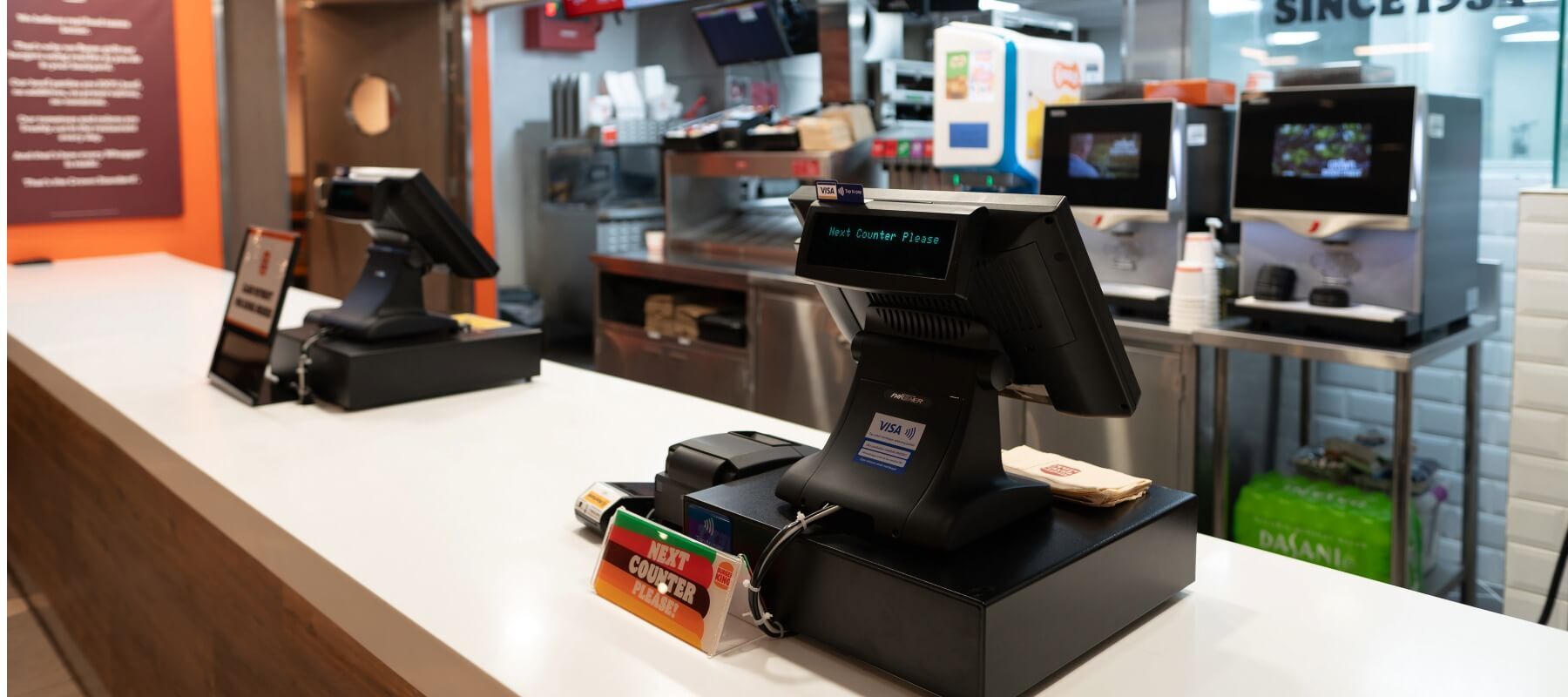
We are being fed a corporate fiction. The financial media recently celebrated Restaurant Brands International (QSR) for beating earnings estimates, pinning the supposed triumph on a resurgent Burger King. Pundits and analysts are lining up to praise the massive "Reclaim the Flame" strategy, pointing to same-store sales growth as proof that the legacy fast-food giant has found its footing against competitors like McDonald's and Wendy's.
It is a comforting story. It is also entirely wrong.
I have spent the last decade analyzing quick-service restaurant (QSR) balance sheets, unit economics, and franchise relations. I have seen companies blow millions on rebranding campaigns while the core operational mechanics rot from the inside. When you look beneath the headline figures, the narrative of a Burger King revival falls apart under the weight of basic financial reality.
Let's dismantle the lazy consensus and look at what is actually happening.
The Mirage of Same-Store Sales
The primary argument for the turnaround is a headline-grabbing increase in comparable-store sales. But a closer look reveals that this metric is being heavily distorted by price hikes rather than real volume growth.
When a corporation raises menu prices by eight to ten percent across the board, year-over-year revenue will tick upward even if customer counts drop. This is not brand loyalty; it is inflation-fueled arithmetic. The actual number of transactions—the literal foot traffic walking through the doors—has remained sluggish or continued to decline.
Imagine a scenario where a restaurant sells 100 burgers at $5 one year, and the next year it sells 85 burgers at $6. The revenue increases from $500 to $510. The headlines declare a two percent increase in sales. The executives celebrate. But the operational reality is that the business is serving fifteen percent fewer customers, alienating the core audience, and relying on price elasticity to mask a shrinking customer base.
The Franchisee Squeeze
You cannot evaluate a restaurant brand by looking solely at corporate revenue. You must look at the profitability of the franchisees who operate the physical locations. The corporate entity can report record earnings by squeezing the supply chain, increasing franchise fees, or pushing expensive technology upgrades, but if the local operators are bleeding cash, the system is fundamentally broken.
Burger King's "Reclaim the Flame" initiative involved pumping $400 million into advertising and remodels. Sounds impressive, right? But digging into the capital allocation shows that a substantial portion of this money is contingent on franchisees matching the investment.
For a multi-unit operator already struggling with soaring labor costs and elevated food inflation, coming up with matching capital is not an opportunity. It is a burden. When corporate mandates force franchisees to invest in digital menu boards and high-tech kitchen equipment without a guaranteed return on foot traffic, it creates deep operational resentment.
The heavy hitters in this field—the seasoned operators who own dozens of locations—know that a successful system relies on unit-level profitability, not just corporate marketing spend. When the corporate parent extracts higher royalties while the franchisee's net operating margin drops below five percent, the system is living on borrowed time.
The Flawed Search for Another McDonald's
People frequently ask whether Burger King can catch up to McDonald's by adopting similar digital and delivery strategies. The underlying assumption is that all fast-food chains are interchangeable, and the playbook is universal.
This premise is deeply flawed.
Burger King is not McDonald's. It never has been, and attempting to mimic the market leader's sprawling, automated, and diversified menu strategy erodes what little distinct identity remains. McDonald's possesses a structural advantage in real estate and a highly efficient logistics network that allows it to absorb digital and delivery costs far better than its rivals.
Attempting to apply the same digital playbook to a brand with lower average unit volumes means paying for expensive infrastructure that the average franchisee cannot afford to maintain.
The Uncomfortable Truth About the Brand
To fix a problem, you must first admit that it exists. Burger King suffers from a fundamental positioning crisis. It tries to be the home of the Whopper for value-seekers while simultaneously attempting to charge premium prices for artisan-style chicken sandwiches.
You cannot serve two masters. When you drift away from your core value proposition in an attempt to boost margins, you alienate your base without winning over the high-end consumer.
Let's look at the downsides of my contrarian perspective. Admitting that a turnaround is a mirage means accepting that the stock price may face a severe correction when the inflationary tailwinds fade. It means admitting that the corporate restructuring failed to address the root cause of the brand's declining relevance with younger generations.
The Actionable Pivot
If you are evaluating QSR investments or operations, stop looking at quarterly earnings per share and start tracking customer transaction volume and franchise unit-level economics.
The real winners in this sector are not the ones reporting double-digit price increases. The winners are those maintaining transaction volume while keeping operations simple and highly profitable for their franchise network.
The turnaround is not happening. It is merely an accounting trick waiting to run out of runway.