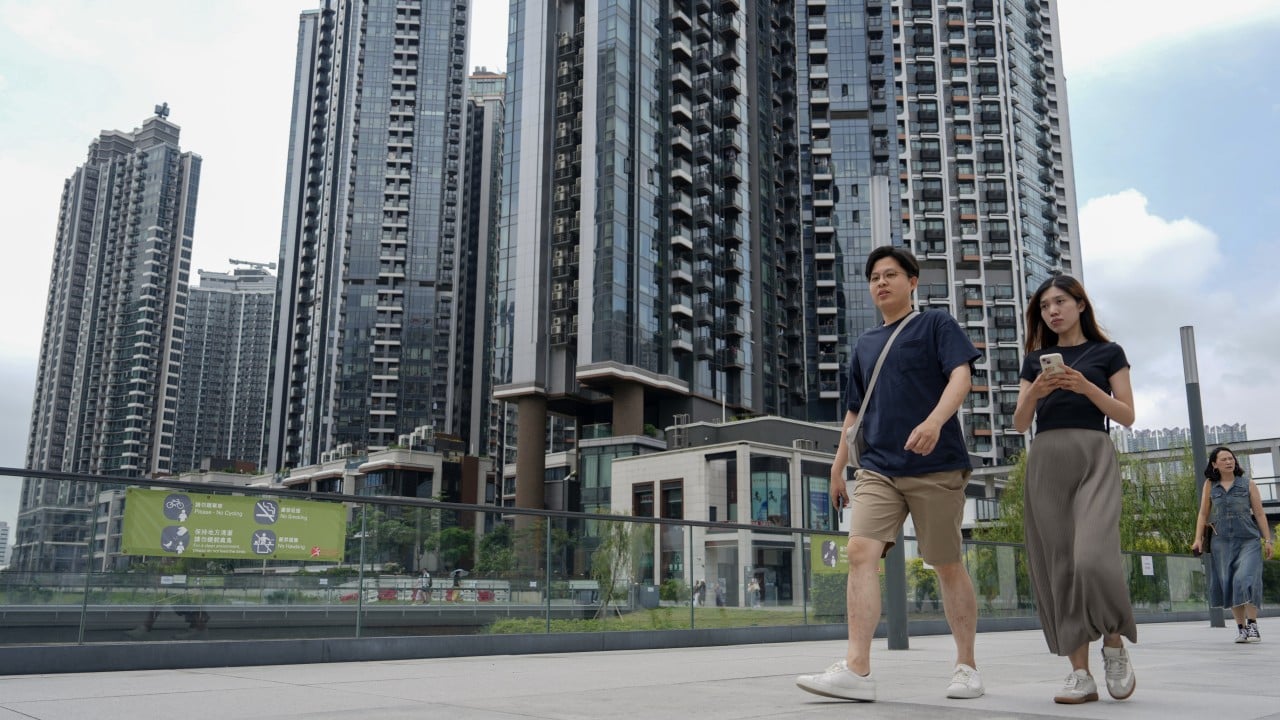
Hong Kong is witnessing a fundamental shift in how its youth views the dream of property ownership. For decades, a flat in the New Territories or a cramped studio in Kowloon was the ultimate trophy, a marker of adulthood and a shield against inflation. That shield is cracking. As the gap between stagnant wages and astronomical property prices widens, a loud chorus of voices is demanding the government allow residents to dip into their Mandatory Provident Fund (MPF) accounts to fund down payments. It sounds like a lifeline. In reality, it may be a trap that compromises the retirement security of an entire generation without actually making homes more affordable.
The core of the issue lies in a simple, cold calculation. Even with a mandatory 5% contribution from both employer and employee, the average MPF balance for younger workers rarely exceeds a few hundred thousand dollars. In a market where a "starter home" often begins at $5 million, the MPF contribution is a drop in the ocean. Yet, the political pressure to "do something" has made this proposal a recurring theme in policy debates. Proponents point to Singapore’s Central Provident Fund (CPF) as the gold standard, but they often ignore the structural differences that make that comparison dangerous.
The Singapore Illusion and the Hong Kong Reality
The most frequent argument for tapping into retirement funds is the success of Singapore. It is a seductive comparison. In Singapore, citizens use their CPF to buy Housing and Development Board (HDB) flats, leading to one of the highest homeownership rates in the world. However, the Hong Kong and Singapore systems are built on entirely different foundations.
The Singaporean model works because the government controls the vast majority of land and housing supply. When a Singaporean uses their CPF, they are often buying a price-controlled asset from the state. Hong Kong’s housing market is a shark tank of private developers and limited supply. If thousands of young buyers suddenly flooded the market with MPF cash, the result wouldn't be more homeowners; it would be higher prices. Simple economic theory suggests that increasing the purchasing power of buyers in a supply-constrained market leads directly to price inflation. The developers would be the primary beneficiaries, while the buyers would end up with the same tiny flats and significantly less money in their retirement accounts.
Why Young Workers are Turning Away from Property
It isn't just a matter of "can’t afford." It’s a matter of "don’t want." For the first time in generations, the psychological grip of property ownership on Hong Kong’s youth is loosening. There are three major factors driving this shift.
First, the opportunity cost has become too high. To save for a down payment in the current climate, a young professional must sacrifice almost all discretionary spending for a decade or more. They are choosing instead to spend on experiences, professional development, or portable investments that don't tie them to a forty-year debt obligation in a single city.
Second, the yield gap is impossible to ignore. In many cases, the monthly mortgage payment on a small flat is significantly higher than the cost of renting an identical unit in the same building. When you add in property taxes, management fees, and maintenance, the financial "logic" of buying starts to fall apart. Young people are doing the math and realizing that being a tenant allows them more liquidity and freedom.
Third, there is a growing pessimism regarding long-term appreciation. The old mantra that "property prices only go up" was shattered by the recent market downturn. With interest rates remaining higher for longer and a surplus of new private units hitting the market, the fear of "negative equity"—where you owe the bank more than the home is worth—is no longer a theoretical ghost. It is a lived reality for thousands of people who bought at the peak of the market in 2021.
The Risk of Empty Nest Retirement
If the government yields to the pressure and allows MPF withdrawals for housing, it creates a massive "longevity risk" for the city. The MPF was designed to be a pillar of retirement protection, intended to provide a basic level of dignity for the elderly. By redirecting those funds into a volatile housing market, the state is essentially betting that the property will appreciate enough to cover both the mortgage and the lost compound interest from the retirement fund.
The Math of Lost Compounding
Consider a hypothetical example. A 30-year-old worker withdraws $200,000 from their MPF to help with a down payment. Over the next 35 years, assuming a modest 4% annual return, that $200,000 would have grown to roughly $790,000. By taking the money out now, the worker isn't just losing $200,000; they are losing nearly $800,000 of their future self's purchasing power.
The housing market must not only stay stable but must outperform the diversified investment portfolios typically found within the MPF system to make that trade-off worthwhile. In a city with a rapidly aging population and a shrinking workforce, the prospect of hundreds of thousands of retirees owning "asset-rich but cash-poor" flats is a nightmare scenario for social welfare departments. You cannot eat your walls.
Alternative Solutions to the Housing Crisis
Instead of cannibalizing retirement savings, the focus should remain on structural reforms that address the root causes of the housing shortage. The government's current push for the Northern Metropolis and the Kau Yi Chau Artificial Islands represents a massive increase in future land supply, but these projects take decades. In the short term, more creative solutions are required.
- Expanded Subsidized Sale Flats: Increasing the ratio of HDB-style subsidized housing would give young people a pathway to ownership that doesn't involve competing with billionaire investors in the private market.
- Tax Incentives for Renters: Implementing significant tax breaks for those who rent would ease the financial burden on the youth and reduce the desperate scramble to buy.
- MPF Performance Reform: Rather than letting people take money out, the authorities should focus on lowering the high management fees that eat into MPF returns, ensuring that the funds actually grow into a meaningful nest egg.
The Psychological Divorce from the Land
The desire to "tap the MPF" is a symptom of a desperate society looking for any exit ramp from the rental treadmill. But policy made in desperation is rarely good policy. We are watching a generation undergo a psychological divorce from the traditional Hong Kong dream. They are no longer willing to be "mortgage slaves" for the best years of their lives.
If the government allows the MPF to be used for housing, it won't be solving the housing crisis; it will be subsidizing the current price floor of a bloated market at the expense of the future. The real investigative question is not whether we can use the MPF for homes, but why we have allowed the housing market to become so distorted that people are willing to gamble their old age just to have a key to a front door.
The decline in homeownership desire among the young isn't a failure of ambition. It is a rational response to an irrational market. Forcing retirement funds into this volatile mix is a short-term political win that guarantees a long-term social catastrophe.
Stop looking at the MPF as a piggy bank for developers and start treating it as the last line of defense for a generation that is already being priced out of its own future.