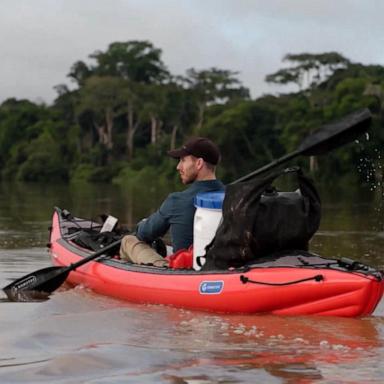
Welsh adventurer Ash Dykes completed an 800-kilometer inflatable kayak voyage through the Congo Basin, terminating where the Sangha River flows into the Congo River. The 18-day expedition pushed through intense heat, equatorial storms, and dense rainforest inhabited by aggressive wildlife, including killer bees and silverback gorillas.
Media headlines quickly framed the accomplishment around viral engagement. Social media commentary centered heavily on morbid speculation, with viewers placing bets on whether the jungle or local fauna would cut the trip short. That framing misses the operational mechanics required to pull off high-risk wilderness travel in the digital era.
Modern wilderness travel operates under a double-edged sword created by satellite connectivity and online visibility. Real-time updates transform extreme physical endurance into spectator content. While streaming builds audiences, it creates an unusual psychological environment where external commentary follows an adventurer into regions completely devoid of emergency infrastructure.
Logistics in Off-Grid Basin Travel
Navigating deep basin networks demands rigorous risk mitigation before craft ever hit the water. Inflatable kayaks offer transportability, collapsing into backpacks when river sections become impassable or require portage around rapids. However, lightweight gear increases vulnerability to sudden squalls, river debris, and encounters with territorial aquatic wildlife like hippos.
Equipment failures in remote settings carry high stakes. The loss of primary gear bags—such as inflation pumps, water purification setups, or tents—can delay or derail expeditions at the border. When operating days away from medical care, simple infections or equipment breakdowns escalate into critical hazards.
Hydration logistics remain a constant challenge under equatorial humidity. Pushing a loaded kayak for hours requires massive caloric intake alongside continuous water treatment to prevent waterborne parasites. Physical preparation must be matched by meticulous contingency planning, including satellite trackers, emergency medical protocols, and local guide expertise.
Operational Realities of Modern Expeditions
- Gear Redundancy: Carrying compact, repairable equipment capable of surviving extreme moisture and rough handling.
- Environmental Factors: Managing core body temperature against relentless heat while navigating unpredictable weather systems.
- Local Expertise: Relying on local guides to navigate river currents, negotiate regional permissions, and read immediate wildlife threats.
The Shift From Discovery to Content Production
Historic exploration focused primarily on mapping uncharted geography or securing scientific data. Contemporary expeditions frequently center on human endurance tested against known environments, documented live for a global audience.
This shift changes how risk is perceived. Online audiences often view extreme journeys through the lens of viral challenges or shock value, detachment masking the real danger involved in navigating unmanaged waterways. When an expedition is broadcast in short video clips, the immense physical strain, tedious logistics, and quiet moments of risk management are compressed into dramatic highlights.
Sustained wilderness travel requires deliberate execution over viral impulse. Successfully navigating hundreds of miles of remote riverways comes down to mundane daily discipline: checking seams, filtering water, monitoring weather patterns, and respecting local ecosystems long after the cameras turn off.