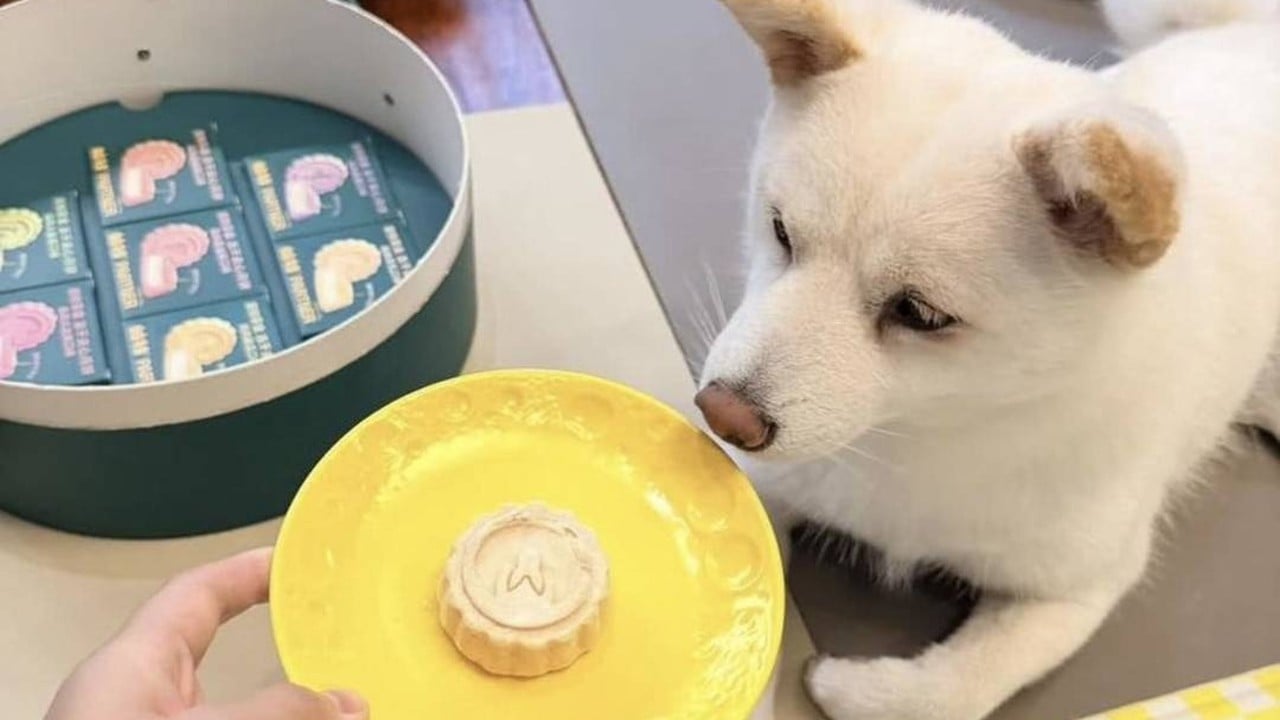
The traditional Chinese mooncake industry is facing a severe structural contraction. Traditional high-end pastry sales during the Mid-Autumn Festival have plunged as corporate gifting budgets tighten and consumers reject heavily inflated luxury packaging. Yet, inside urban pet boutiques from Chengdu to Shanghai, commercial energy is moving in an entirely different direction. Store owners are struggling to keep up with pre-orders for miniature, canine-safe mooncakes crafted from dehydrated duck breast, sweet potato, and goat milk powder. This phenomenon is not merely a cute seasonal gimmick. It represents a profound shift in household expenditure priorities across urban China, where economic caution in human consumption collides directly with unyielding spending on domestic animals.
To understand why pet pastries are thriving while human pastry boxes gather dust, one must look closely at shifting demographic pressures. Birth rates across the country have slowed dramatically, while the urban pet population has surged past tens of millions. Young professionals living in high-density apartments are channeling familial instincts, disposable income, and a desire for domestic ritual into their animals. When the autumn festival arrives, the cultural compulsion to participate in communal gifting and holiday feasting remains intact. Consumers who balk at spending several hundred yuan on a luxury box of salted egg yolk pastries for human colleagues or extended relatives will readily spend comparable sums on artisanal, grain-free treats designed specifically for their dogs and cats.
Commercial operations have adapted with remarkable speed to exploit this behavioral split. Confectionery workshops that once focused exclusively on traditional lard-and-sugar recipes have retooled assembly lines to produce pet-safe alternatives free of harmful ingredients like xylitol, macadamia elements, and excessive sodium. A typical box of four artisanal pet mooncakes retails for roughly sixty to seventy yuan, positioning it as an accessible luxury. Pet owners view these purchases not as frivolous waste, but as an essential expression of inclusion. If the household is celebrating a major cultural milestone, the animal must share the table, the aesthetic, and the food experience.
This commercial pivot exposes a wider vulnerability in traditional food manufacturing. Legacy brands relied for decades on corporate procurement cycles and rigid gifting conventions. When regulatory crackdowns on corporate excess and a broader macroeconomic slowdown eroded those institutional sales channels, traditional bakeries were left with bloated inventories and alienated retail buyers. In contrast, the pet economy operates on emotional resilience. Pet owners consistently protect discretionary spending directed toward their animals ahead of almost any other lifestyle category.
Consider a hypothetical example of an urban white-collar worker in Shenzhen facing a reduced annual bonus. That worker will likely cancel plans to purchase expensive luxury pastry sets for business associates, opting instead for digital greetings or simple fruit baskets. That same individual, however, will willingly purchase a specialized box of rabbit-meat mooncakes to photograph their dog participating in the autumn celebration for social media channels. The emotional ROI of pleasing a companion animal vastly outweighs the declining social utility of corporate gift-giving.
The structural implication for the broader food and beverage sector is stark. Brands that fail to decouple their product lines from traditional gifting logic are watching their margins evaporate. Success now belongs to manufacturers who can reconfigure traditional cultural symbols into personalized, health-conscious, or companion-inclusive formats. As the Mid-Autumn Festival continues to evolve away from rigid boardroom obligations and toward intimate, household-centric experiences, the most lucrative slice of the pastry market may well belong to creatures that cannot even taste the sugar.