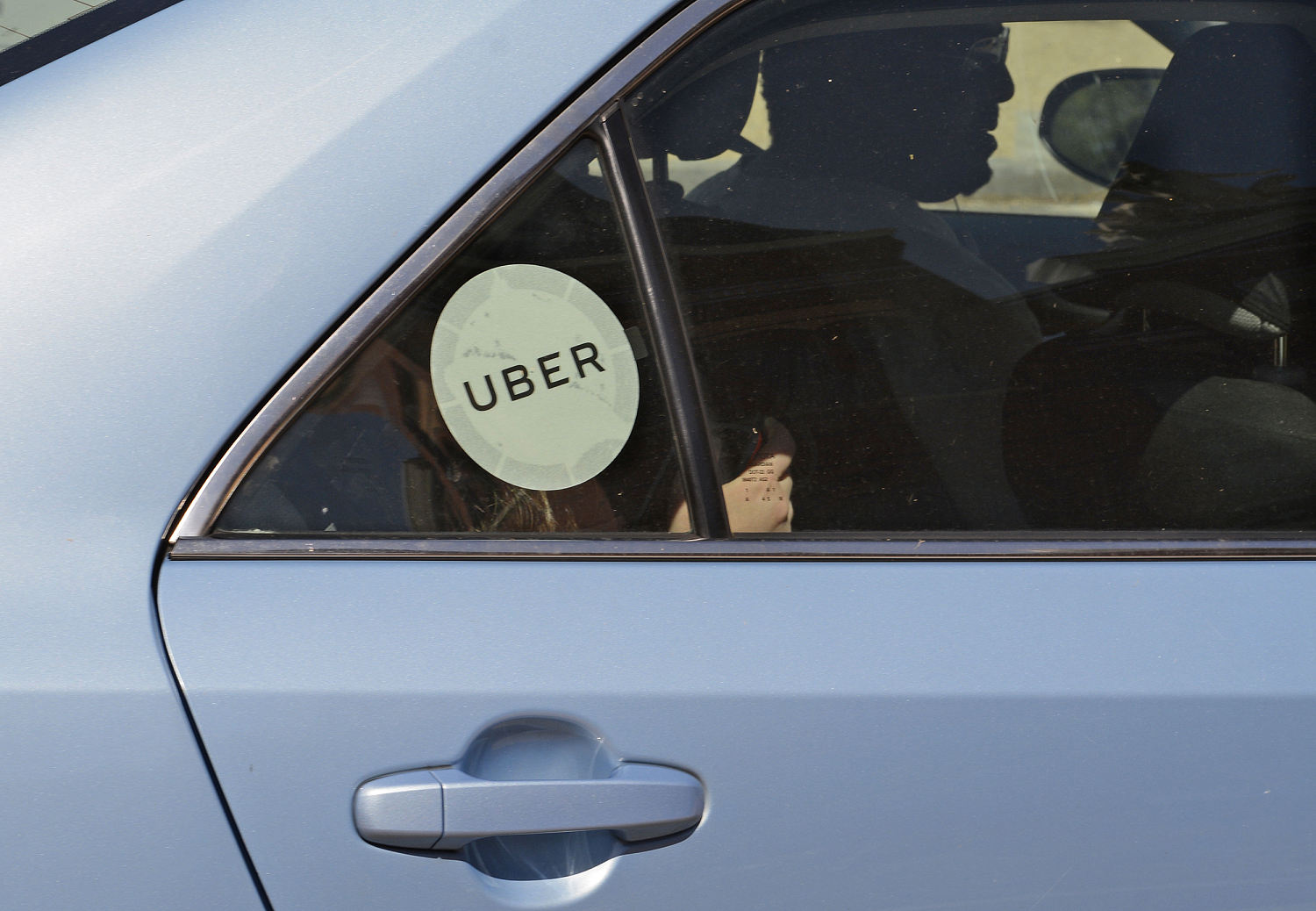
On a freezing Saturday morning in Minnesota, 51-year-old Somali-American rideshare driver Mohamed Yusuf took a late-night fare that nearly cost him his life. What started as a routine late-night shift ended in a ditch off Minnetonka Boulevard. Yusuf was left in a coma with collapsed lungs, broken ribs, spinal damage, and severe internal organ trauma.
The attack sparked immediate outrage across Minneapolis, leading to calls from civil rights groups for a federal hate crime investigation. Yet beyond the headlines and the courtroom filings, this tragedy raises uncomfortable questions about gig worker protections, bias prosecutions, and how rideshare platforms handle high-risk situations.
A Routine Ride Turned Fatal Distraction
According to court documents filed in Hennepin County District Court, Yusuf picked up 33-year-old Samit Apurva Patel near a bar in northeast Minneapolis around 12:47 a.m. Yusuf was talking to his brother—also a gig driver—on a connected phone call during the trip.
The call captured the moments before the violence escalated. The suspect asked for Yusuf’s name. When Yusuf responded, the passenger swore and explicitly stated he hated that name.
Yusuf tried to de-escalate. He told his brother on the phone, "It's okay, he's drunk."
Minutes later, near the passenger's destination in Hopkins, the situation turned graphic. Yusuf began screaming in Somali that the passenger was choking him with a belt. A violent struggle ensued. The line recorded Yusuf shouting that the attacker was running him over with his own Toyota RAV4.
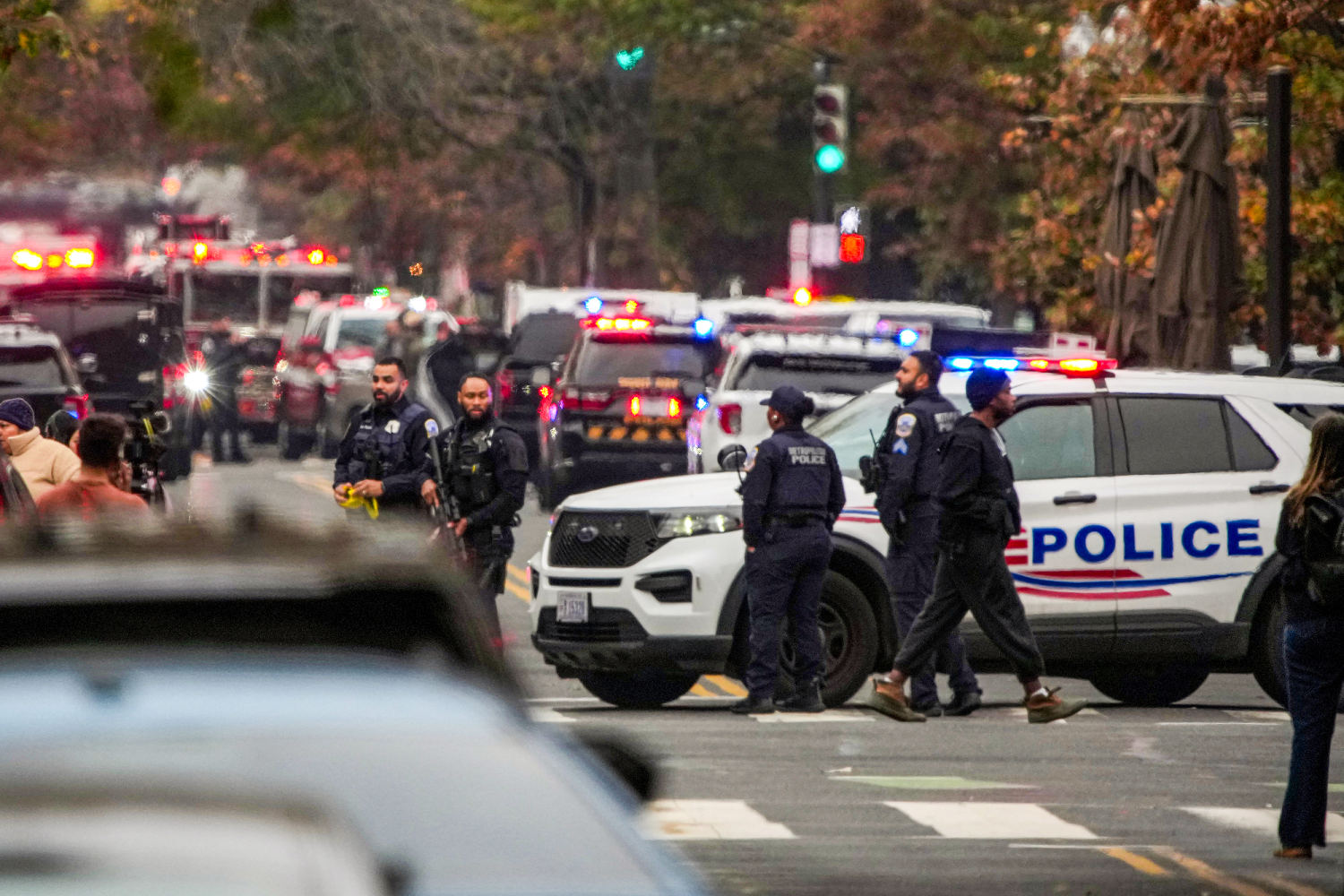
Police used Yusuf’s smartwatch location tracking to find him lying in the brush 15 feet off the road. Officers deployed a drone to spot his body temperature signature in the cold night air. The vehicle had been driven into the ditch over him, backed out, and abandoned nearby.
Legal Reality of Proving Hate Crimes
Patel was booked into Hennepin County Jail on $1 million bail, facing charges of attempted second-degree murder and first-degree carjacking. Each charge carries up to 20 years in prison.
Many community leaders and the Minnesota chapter of the Council on American-Islamic Relations (CAIR-MN) asked why bias-motivated hate crime charges weren't immediately attached.
Hennepin County Attorney Mary Moriarty addressed the public's concern directly. Minnesota law doesn't treat "hate crime" as an isolated charge for assault. Prosecutors must prove beyond a reasonable doubt that specific bias directly motivated the act to apply a sentencing enhancement.
Proving intent in court requires a high evidentiary bar:
- Direct verbal statements explicitly indicating racial or religious animus during the act.
- Pre-existing digital evidence, such as social media posts, text messages, or search history showing bias.
- Prior history or documentation of targeted hate acts.
While the phrase "I don't like that name" raises suspicion, prosecutors often stick to attempted murder charges initially to secure high bail and guaranteed prison time without risking a failed burden-of-proof hurdle on bias motivation.
Vulnerability Behind the Wheel
Rideshare drivers operate in isolated spaces with zero physical barriers between them and unpredictable passengers. Gig workers take on massive personal risk every time they unlock their vehicle doors, especially during late-night hours.
The financial and safety realities facing drivers include:
- Lack of Physical Barriers: Unlike traditional taxis with partition glass, rideshare vehicles leave drivers entirely exposed from behind.
- Inadequate Emergency Response Protocols: In-app emergency buttons require a driver to interact with a phone screen while active violence occurs, which is nearly impossible during an assault.
- De-escalation Limitations: Drivers are advised to stay calm and comply, but de-escalation tactics fail when facing intoxicated or aggressive individuals.
- Post-Incident Financial Coverage: Insurance coverage through gig platforms can be slow and bureaucratic, leaving families scrambling for emergency medical funds.
In Yusuf's case, community support stepped up where system protections fell short. A GoFundMe organized by his family raised over $400,000 within days to cover intensive ICU care, surgeries, and long-term rehabilitation costs.
Practical Safety Steps for Late-Night Drivers
If you drive for a gig platform late at night, relying solely on app-based security features isn't enough. Protect yourself by taking proactive measures on every shift.
- Install a dual-facing dashcam with cloud backup. Choose a system that records interior video and audio continuously and uploads footage directly to the cloud. Audio recordings provide undeniable proof of verbal threats and passenger demeanor.
- Mount a physical barrier screen. Flexible polycarbonate partition screens are inexpensive, easy to install, and provide a physical delay if a passenger reaches forward from the back seat.
- Use hands-free voice shortcuts for emergencies. Set up your smartphone's voice assistant or emergency SOS triggers so you can call 911 or dispatch contacts without touching your device.
- Trust your gut on passenger pickups. If a rider is belligerent, heavily intoxicated, or hostile before entering the car, cancel the trip immediately and report the behavior through the app from a safe distance.