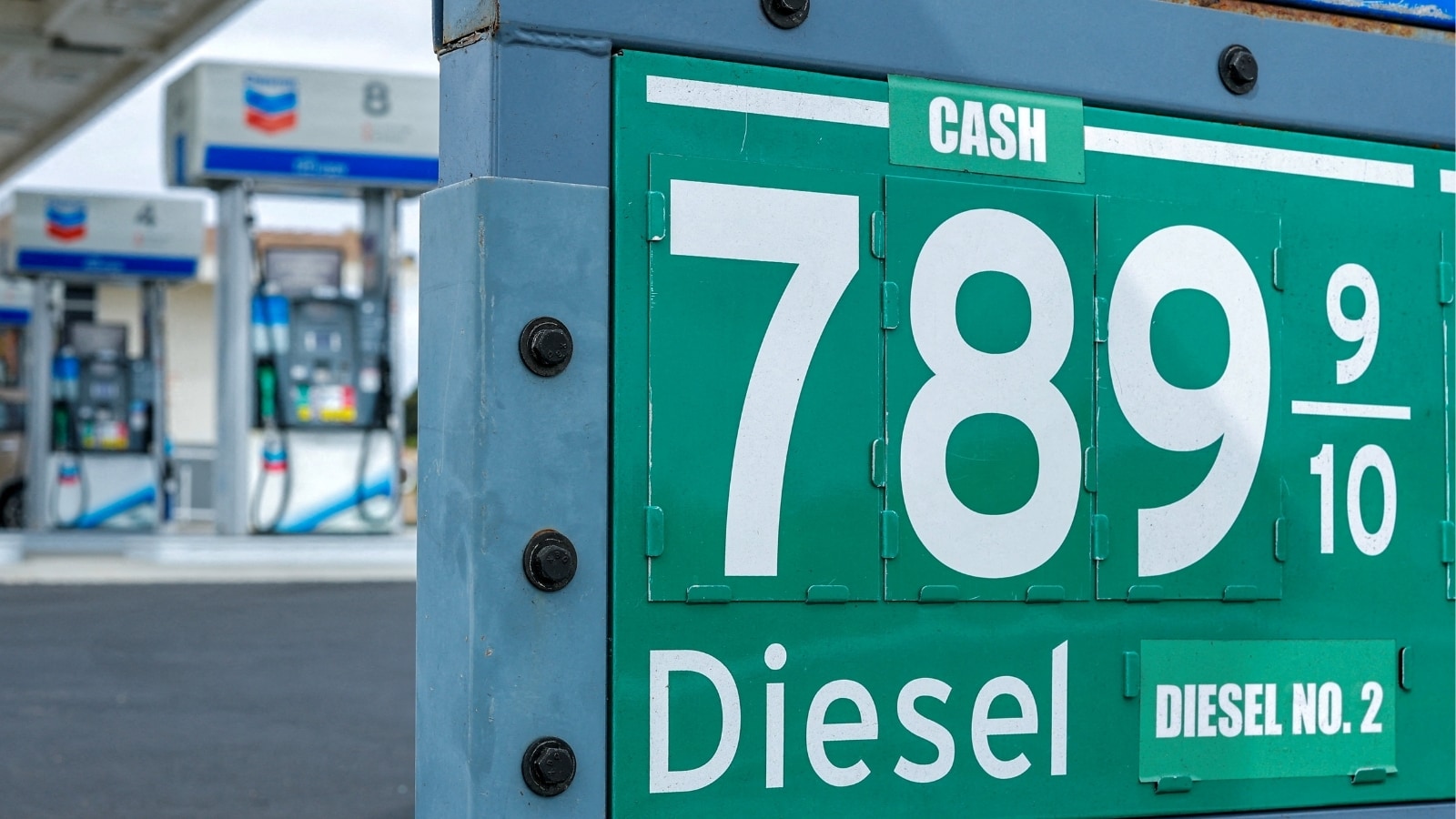
When retail diesel prices breach six dollars and fifty cents a gallon, the shockwaves do not stop at the pump. They cascade through logistics chains, inflate grocery bills, park independent truckers, and quietly strangle industrial output. The mainstream narrative blames distant geopolitical flashpoints and crude supply shocks. That explanation is convenient, clean, and dangerously incomplete.
The real vulnerability driving extreme fuel pricing lies closer to home, embedded in decades of structural underinvestment, domestic capacity contraction, and a refining sector operating on razor-thin margins and aggressive consolidation.
Diesel is the lifeblood of commerce. While gasoline powers commuter sedans and weekend road trips, diesel moves everything else. Freight trucks, cargo ships, locomotives, agricultural combines, and heavy construction equipment run on middle distillates. When diesel supply tightens, the entire economy experiences systemic friction.
Understanding why prices hit unprecedented highs requires looking past the daily Brent crude ticker. It requires examining the physical constraints of the distillation towers and the regulatory pressures that reshaped domestic petroleum processing long before international conflicts dominated the evening news.
The Shrinking Bottleneck of Domestic Refining
Crude oil in the ground is useless until it is cracked, separated, and refined into usable products. For years, public discourse has fixated on crude extraction numbers while ignoring the downstream bottleneck. The United States has not built a major greenfield petroleum refinery in decades. Instead, capacity has steadily consolidated. Major energy firms closed older, smaller plants or reconfigured operations to maximize lighter products, reducing overall middle distillate output.
When demand rebounded sharply following pandemic-era contractions, refiners faced a rigid infrastructure ceiling. Nameplate capacity is one metric, but operational throughput is another. Refineries run on complex, continuous cycles requiring intense scheduled maintenance.
When operators deferred maintenance during periods of market volatility, unexpected outages multiplied. A single fluid catalytic cracker going offline in the Gulf Coast can disrupt regional supply lines for weeks, sending wholesale basis differentials soaring.
Compounding this structural tightness is the physical yield ratio of a barrel of crude. Refiners cannot simply turn a dial to produce one hundred percent diesel. Crude distillation yields a fixed spectrum of products—gasoline, jet fuel, heating oil, and heavier residuals—based on the specific gravity of the crude slate. When refiners process lighter domestic shale crudes, they often yield less diesel per barrel compared to heavier international grades.
The Export Pressure Valve
Another overlooked factor in domestic price spikes is international arbitrage. U.S. refiners operate in a globalized market. When European and Latin American buyers face severe diesel shortages due to structural deficits and regulatory transitions, they turn to American ports. Refiners are commercial entities designed to maximize shareholder returns. If foreign buyers are willing to pay a premium for U.S. diesel, export volumes climb, drawing down domestic inventories.
Inventories serve as the shock absorber for the liquid fuel market. When days of supply drop below historical five-year averages, the market panics. Traders price in extreme tail risks, pushing futures curves into steep backwardation where prompt barrels command massive premiums over future contracts.
Politicians frequently accuse domestic refiners of gouging consumers during these periods. The reality is more mechanical. High prices are the market's blunt instrument for rationing scarce supply. When inventory hits critical lows, prices must spike high enough to idle high-fuel-consumption operations, forcing industrial buyers to curtail activity.
The Regulatory and Capital Cost Squeeze
Capital allocation within the energy sector shifted dramatically over the last decade. Wall Street and institutional investors pressured
The Six Dollar Diesel Trap That is Breaking Freight
business
news
US diesel prices pushing past six dollars and fifty cents a gallon mark represent more than an inconvenience for long-haul truckers. This fuel cost spike exposes a fragile vulnerability in global supply chains that policymakers have spent years ignoring. When heavy transport hits these price thresholds, the shockwaves ripple through every sector of the economy, transforming a commodity price movement into a systemic threat to consumer goods availability and inflation stability.
The Structural Vulnerability of Distillate Inventories
Distillate fuel oil, which includes diesel and heating oil, operates on knife-edge supply margins even during stable economic cycles. Refineries cannot simply flip a switch to prioritize diesel over gasoline. The refining slate requires a precise balance, and global processing capacity has deteriorated due to years of underinvestment, environmental rationalization, and geopolitical shocks.
When international conflicts disrupt crude flows, the European market scrambles to replace Russian diesel imports. This dynamic draws barrels away from American shores and simultaneously drives up the cost of domestic production inputs. U.S. refiners export significant portions of their distillate yield because international spot prices often outpace domestic returns. The domestic market then experiences artificial scarcity despite adequate overall crude extraction.
Trucking fleets absorb the initial blow. Large carriers with long-term fuel surcharges can weather the volatility temporarily, but independent owner-operators face immediate cash-flow strangulation. A single truck burning twenty gallons an hour across interstate corridors experiences a daily operating cost inflation that wipes out profit margins within forty-eight hours.
Why Crude Benchmarks Lie About Diesel Realities
Market analysts frequently look at West Texas Intermediate or Brent crude prices to gauge energy stress. This metric obscures the reality of middle distillates. Crude oil is the raw material, but diesel is the refined engine oil of global commerce.
Consider a hypothetical fleet of five hundred semi-trucks operating across the Midwest. When crude drops by five percent due to macroeconomic fears, diesel crack spreads—the profit margin refiners make from cracking crude into distillate—often expand due to low regional inventory stocks. The price at the pump does not track the barrel price. It tracks the physical availability of refined product in regional distribution hubs.
Pipelines running from the Gulf Coast to the Northeast and Midwest face capacity constraints and allocation rules during peak demand seasons. If a major pipeline suffers maintenance downtime while secondary storage tanks sit at historical lows, regional diesel spikes independently of global oil supply.
The Downstream Cascade on Consumer Prices
Every single item moving on a standard grocery shelf or retail display relies on diesel at least three times. First, agricultural machinery burns diesel to plant and harvest crops. Second, heavy trucks haul those commodities to processing facilities. Third, final distribution networks complete the last-mile delivery.
When diesel surges to six dollars and fifty cents, retail pricing cannot remain static. Transportation costs constitute a major portion of landed goods value. Shippers pass the increased line-haul tariffs down the supply chain. Grocery items, construction materials, and manufacturing components absorb these friction costs immediately.
Small businesses bear the heaviest burden. Unlike multinational conglomerates with dedicated logistics hedging desks, local distributors must pay spot-market pump prices. They cannot hedge against sudden spikes. They either absorb the loss until insolvency looms or raise prices and lose market share to larger competitors.
Policy Blind Spots and the Green Transition Friction
Government initiatives aimed at accelerating decarbonization have inadvertently created a chilling effect on capital expenditure for traditional refining infrastructure. Energy majors face conflicting signals. Policymakers demand lower carbon output while society continues to run on internal combustion engines for heavy freight.
Refinery capacity in the United States has declined over the past decade through closures and conversions to renewable diesel or biofuel processing. While renewable fuels play a long-term role, the transition timeline clashes with immediate physical realities. Converting a cracking unit takes capital, time, and specific feedstock configurations that cannot scale overnight to match sudden spikes in global demand.
Strategic Petroleum Reserve releases target crude oil balances, but they do little to solve a refined distillate shortage. Pumping raw sweet crude into the market does nothing if domestic refineries lack the operational bandwidth or middle-fraction conversion capacity to turn that crude into ultra-low sulfur diesel.
The Path Forward Through Structural Realities
Mitigating future spikes requires acknowledging that heavy transport cannot electrify overnight. Battery-electric Class 8 trucks remain constrained by weight penalties, charging infrastructure deficits, and grid capacity limitations. Diesel will remain the dominant lifeblood of freight logistics for the foreseeable future.
Market stability demands a pragmatic approach to refining capacity retention, targeted inventory management for distillates rather than just crude, and regulatory frameworks that encourage capital retention in traditional energy assets during the bridge transition. Without these structural adjustments, the six-dollar diesel threshold will cease to be an extreme outlier and instead become the volatile baseline of modern commerce.