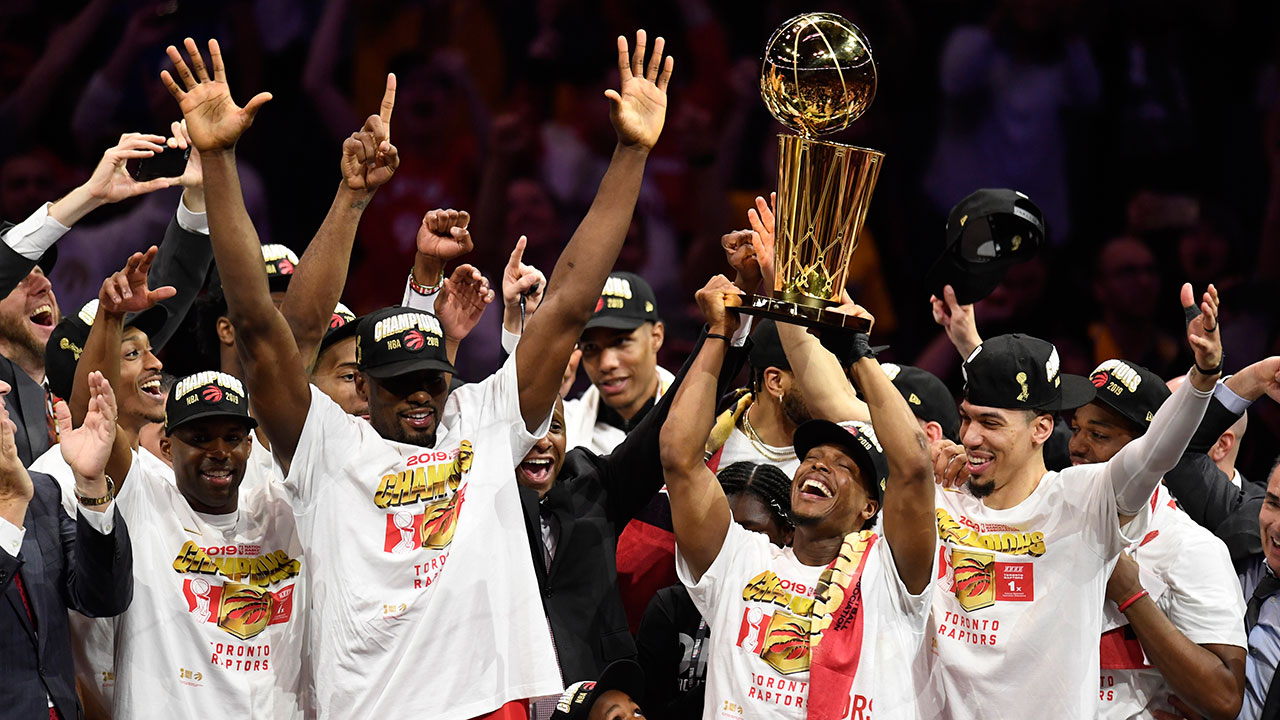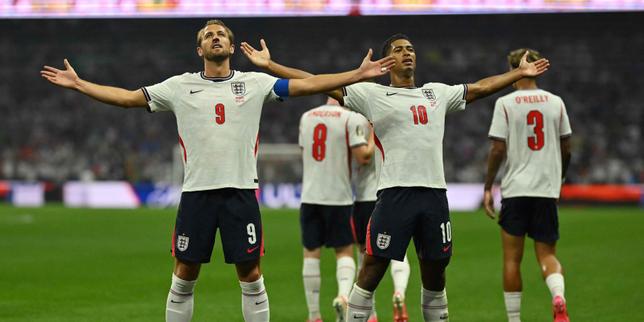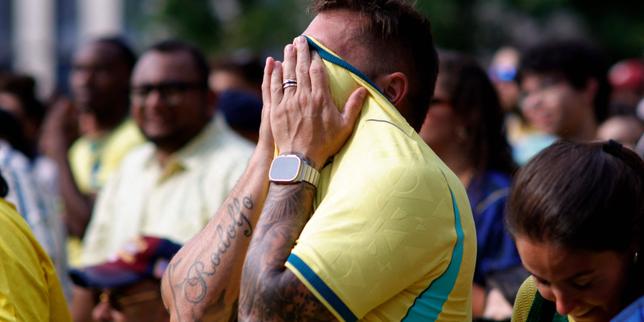
Major sporting events no longer hold a captive audience in front of the traditional living room television. Instead, millions of fans now navigate a fragmented, expensive maze of subscription services, shifting work schedules, and hyper-commercialized public venues just to catch a game. While superficial media coverage often paints a quaint picture of fans gathering in pubs or hiding phones during a night shift, the reality is far more transactional. The modern sports fan is being squeezed from both sides by skyrocketing broadcast rights and the steady erosion of traditional third spaces. Watching a match has transformed from a passive cultural ritual into a calculated logistical feat.
The Cost of Keeping the Lights On
For decades, sports broadcasting relied on a simple premise. Broadcasters bought the rights, advertisers paid for the eyeballs, and the viewer paid next to nothing. That model is dead. Today, the fragmentation of broadcasting rights means a fan might need three or four separate streaming subscriptions to follow a single team through a season.
This financial pressure does not stop at the household budget. It bleeds directly into the hospitality sector. Pubs and sports bars, historically the bedrock of collective viewing, are facing existential threats from commercial broadcast licensing fees. A neighborhood pub does not pay the same rate as a residential viewer. They are charged based on rateable value or maximum occupancy, often translating to thousands of dollars a month for a single sports package.
- Residential costs require multiple overlapping app subscriptions.
- Commercial venues face surging baseline fees just to legally show a match.
- The inevitable result is that smaller, independent venues are pricing out sports entirely, leaving corporate chains to monopolize the public viewing experience.
When the cost of licensing becomes a burden, venues must recoup that investment. This creates an environment where a fan cannot simply sit and enjoy a game; they are expected to consume continuously to justify their seat. The casual fan who wants to watch a match over a single drink is increasingly unwelcome.
The Gig Economy and the Death of the Common Kickoff
The workforce has changed, but sports scheduling remains stubborn. With the rise of zero-hours contracts, freelance platforms, and 24-hour logistics operations, the traditional weekend window for leisure has collapsed. A significant portion of the fanbase is working while the game is on.
This shift has created a silent underground economy of workplace streaming. Workers use corporate bandwidth, hidden earpieces, and split-screen monitors to keep up with live events. It is a game of cat-and-mouse with management that highlights a deeper truth. Sports are no longer just entertainment. They are a form of social currency that workers refuse to be disconnected from, even at the risk of disciplinary action.
"The assumption that everyone is off the clock by 6:00 PM is a relic of a manufacturing economy that no longer exists for the majority of the population."
For those on the night shift, the experience is isolating. They miss the collective euphoria of a goal or a victory, experiencing the event through delayed text alerts or brief highlights caught during a break. The shared cultural moment is replaced by a solitary digital interaction.
The Mirage of the Fan Zone
To compensate for the decline of the traditional pub experience, organizers have turned to highly managed, corporate-sponsored fan zones. These spaces promise atmosphere but deliver restriction. They are designed to extract maximum revenue within a controlled perimeter.
Consider a typical stadium fan zone or city-center screening. Security is tight, outside food and drink are banned, and every square inch is branded. This is not organic fan culture. It is a manufactured simulation of it. The prices inside these zones frequently rival stadium concessions, making them inaccessible to working-class fans who historically formed the core of the sport’s identity.
The Illusion of Accessibility
Monetizing the space outside the stadium allows clubs and governing bodies to create a tiered class system among fans. If you cannot afford the ticket inside the stadium, you are funneled into the secondary monetization zone outside. If you cannot afford that, you are left to the mercy of fragmented streaming services at home.
The Rise of Delayed Consumption
Because live access is increasingly restricted by cost or work schedules, a massive shift toward delayed consumption has occurred. Spoilers are actively avoided. Social media feeds are muted. Fans are now consuming full matches hours or even days after they occur, treating live sports like a prestige drama series. This completely alters the advertising dynamics, as live commercials lose their punch when skipped or ignored on a recorded playback.
The Friction of Digital Platforms
Switching from traditional television to digital streaming was supposed to democratize access. It did the opposite. Buffering, latency issues, and platform exclusivity have injected friction into the viewing experience.
When a stream lags by thirty seconds, the concept of a shared live experience evaporates. A fan hears their neighbor cheer before the striker on their own screen has even taken the shot. This technical latency ruins the immediate emotional payoff that makes sports compelling. Furthermore, older demographics are frequently left behind by the sudden migration of major events from broadcast networks to niche streaming apps, fracturing the intergenerational bonds that sports traditionally fostered within families.
The current trajectory is unsustainable for the average consumer. As sports properties continue to chase short-term broadcast revenue from competing tech platforms, they risk alienating the foundational audience that gives the sport its cultural weight. A sport without a broad, engaged, and accessible audience eventually loses the cultural relevance that made its broadcast rights valuable in the first place.