The literary establishment loves a homecoming, but the 2026 Booker Prize longlist arrives with a sharper edge than usual. Announced in London by historian and panel chair Mary Beard, the thirteen books vying for the sixty-six thousand dollar prize pit literary royalty against disruptive newcomers. Past winners Marlon James and Douglas Stuart return to the running alongside Pulitzer laureate Elizabeth Strout, navigating a pool pulled from one hundred sixty-three submitted novels. Beard characterized the selection as literary dynamite, a phrase that PR teams adore but one that, in this specific instance, points to a genuine shift in how major prizes evaluate risk.
For years, the critique of international book prizes centered on safe conformity. Critics argued that juries favored mid-tempo historical fiction or domestic tragedies engineered to appeal to institutional tastes. This cycle breaks that mold.
The Gravity of the Returning Titans
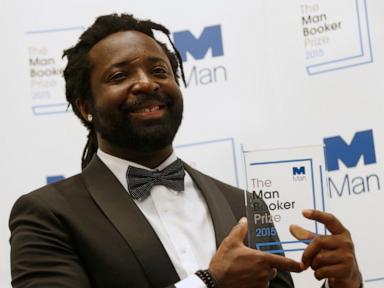
Marlon James enters the longlist with The Disappearers, a stark plunge into a hostile 1980s Jamaica focusing on a group of gay men. James, who claimed the prize in 2015 with A Brief History of Seven Killings, operates with a distinct stylistic violence and linguistic velocity. His work refuses to comfort the reader. It demands active endurance.
Douglas Stuart brings John of John, pivoting from the searing Glasgow tenement realism of his debut Shuggie Bain—which won the 2020 prize—to the isolated psychological topography of a remote Scottish island dealing with father-son secrets. Stuart has carved out a brutal niche where tenderness and squalor bleed into one another.
Elizabeth Strout rounds out the heavyweights with The Things We Never Say. Strout, whose economy of prose and piercing emotional intelligence earned her a Pulitzer for Olive Kitteridge and a finalist slot with Oh William!, continues her excavation of ordinary American quietude.
The inclusion of these three creators creates an immediate gravitational pull. Publishing houses know that a Booker longlist nomination alters quarterly earnings reports, driving backlist sales and international translation rights overnight. Yet their presence also threatens to eclipse the structural diversity of the broader list.
Beyond the Big Names
Beneath the marquee authors lies a volatile mix of boundary-pushing fiction. The jury—featuring eclectic voices including musician Jarvis Cocker and novelist Patricia Lockwood—clearly prioritized tonal disruption over institutional decorum.
Consider the margins of the 2026 longlist:
- M. John Harrison: At eighty-one, the veteran speculative author anchors the old guard with The End of Everything, proving that postapocalyptic science fiction can breach the high-literary fortress.
- Djamel White: At twenty-eight, the Dublin-based writer stands as the youngest contender on the roster, offering All Them Dogs, a razor-sharp thriller dissecting the Dublin criminal underworld.
- Kenan Orhan and Rebecca Perry: Both represent the three debut authors on the ballot, proving that fresh structural architectures still find oxygen in a crowded market.
Beard noted that the panel actively avoided the trap of selecting books that feel "slightly serious, about to be classic". Instead, they chased work utilizing humor, structural friction, and outright shock value to force readers out of passive consumption.
The Commercial Machinery and the Long Game
A nomination of this magnitude functions as much as an economic life raft for independent presses as it does a badge of honor for conglomerates. Publishing profit margins remain razor-thin. When a title like Missouri Williams's The Vivisectors or Emma Cline’s Switzy secures a slot, it triggers a chain reaction across global distribution channels. Independent bookstores clear front-table real estate. Digital audio platforms ramp up promotional loops.
Yet, commercial expansion carries inherent friction. Major prizes frequently face backlash over market skewing, where mid-list fiction from unrepresented writers gets entirely swallowed by the media circus surrounding six finalists. The committee must whinnow these thirteen books down to a shortlist on September 22, ahead of the final winner announcement on November 9 in London. Until then, the industry watches closely to see whether the judges reward the comforting mastery of established laureates or fully commit to the literary dynamite they claim to have uncovered