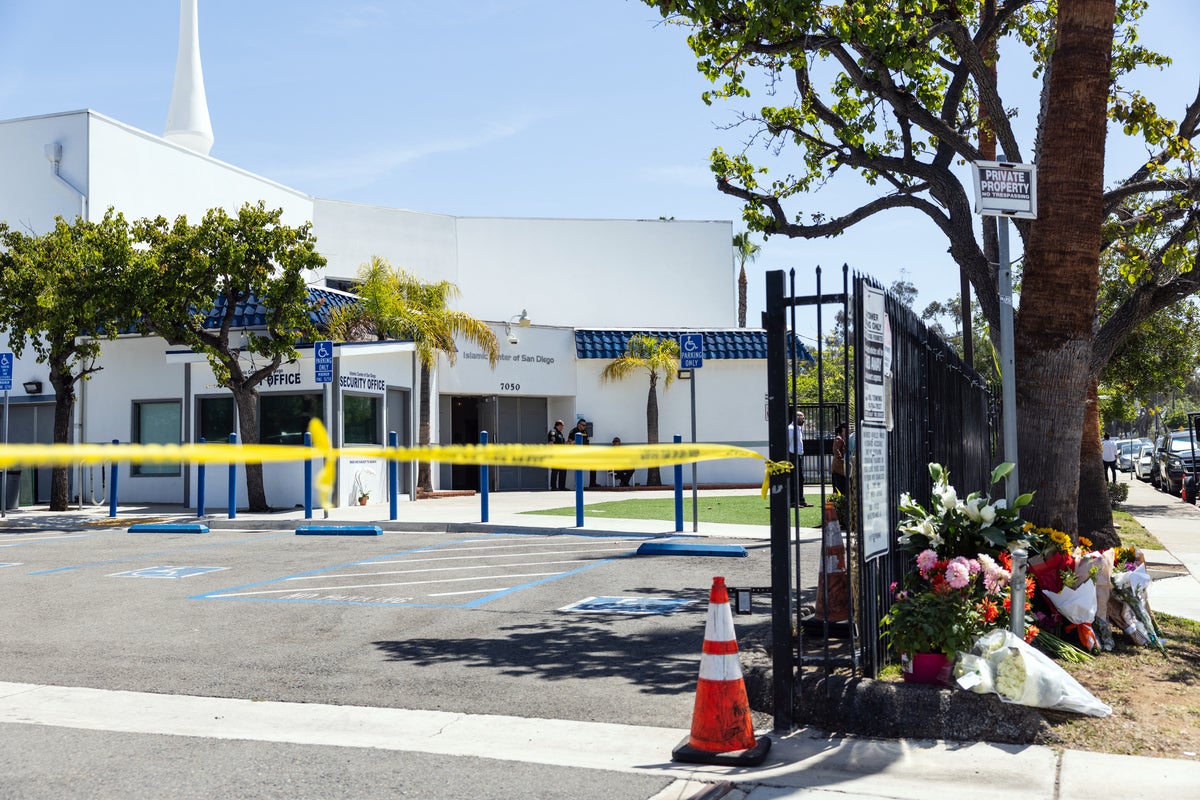
We love a clean narrative. It comforts us to point a finger at a single institution, slap a negligence label on a desk, and pretend the machinery of human violence operates like a malfunctioning toaster.
When the parents of the San Diego mosque gunman came forward to argue that a mental health facility ignored an FBI warning, the media machinery spun into predictable gear. The lazy consensus formed instantly: If only the clinic had acted on that paperwork, catastrophe would have been averted.
It is a comforting lie. It suggests the system almost worked, that we just need better bureaucratic vigilance, more aggressive information-sharing protocols, and tighter administrative nets.
I have spent years watching institutional risk management fail from the inside. I have sat in rooms where threat assessment teams shuffle files, cross-reference state databases, and look for flashing red lights that rarely flash in the neat sequences textbooks promise. And I am here to tell you that pinning this tragedy on a missed administrative baton pass is a cowardly misdirection.
The dangerous truth is that clinical facilities are not intelligence outposts, and treating them like auxiliary law enforcement agencies will only guarantee more structural failure while doing nothing to stop the next shooter.
The Myth of the Omniscience Bureaucracy
Let us look at what mental health clinics actually are. They are resource-starved, high-volume triage centers dealing with an ocean of human distress. They are not pre-crime units.
When an FBI warning lands on the desk of a clinical director, it arrives not as a clear-cut mandate for detention, but as an ambiguous fragment of a much larger, chaotic picture. Privacy laws, civil liberties frameworks, and the blunt instruments of involuntary commitment laws create a minefield that clinicians navigate daily.
If we expect every outpatient facility to instantly translate a federal agency's advisory into an ironclad preventative lockout, we fundamentally misunderstand clinical psychiatry. A therapist's job is to build a therapeutic alliance, not run counter-terrorism surveillance. Conflating the two destroys the very trust required to treat people before they cross the line into violence.
Imagine a scenario where every single mental health professional becomes an extension of domestic intelligence. What happens to the patient struggling with violent intrusive thoughts or radicalizing online? They stop going to therapy. They stop talking. They go underground.
By demanding that clinics act as dragnets for law enforcement, we do not make communities safer. We simply drive the threat further into the shadows where no one can see it coming.
The Institutional Alibi
Why do parents, pundits, and politicians lean so hard on the narrative of the sleeping watchdog? Because the alternative requires looking at systemic rot that no one knows how to fix.
Blaming the clinic is an alibi. It lets us avoid confronting the collision of domestic radicalization, digital echo chambers, easy access to lethality, and the profound isolation of modern young men. A missed FBI warning is a tangible error. It has a name, a date, and a memo attached to it. You can hold a press conference about a memo. You cannot hold a press conference about the collapse of social cohesion or the algorithmic radicalization pipelines operating unchecked in broad daylight.
When we focus solely on whether a clinic dropped the ball, we absolve the broader ecosystem. We pretend that if the paperwork had been processed correctly, the underlying rot would have simply vanished. That is magical thinking.
The Real Breakdown
The system did not fail because a single facility ignored a warning. The system failed because we expect reactive medical institutions to solve proactive security problems.
If we want to stop targeted violence, we have to stop treating mental illness as a synonym for terrorism, and we have to stop treating medical clinics as pre-crime detention centers. Psychiatry deals with behavioral health; law enforcement deals with threats to public safety. When those lines blur, both systems break down entirely.
Stop looking for the smoking gun in a filing cabinet. The fire was burning long before anyone opened the folder.


