The headlines always read the same way. The World Health Organization drops a late-breaking bulletin, whispering with faux-shock that an Ebola outbreak in the Congo actually started months before anyone officially noticed. Journalists clutch their pearls. Public health bureaucrats write stern reports demanding faster detection, better surveillance networks, and more early-warning sensors on the ground.
Everyone assumes the core failure is a delayed bureaucratic starting gun.
They are dead wrong.
Focusing on when an outbreak is officially declared is a massive distraction. It assumes that if we just spot the index case on day three instead of day ninety, the epidemic magically evaporates. I have spent years watching international agencies burn millions of dollars chasing phantom timelines while ignoring the actual friction points of disease transmission. The lag between symptom onset and official declaration is rarely the bottleneck that kills people.
The real enemy is institutional paralysis wrapped in red tape, combined with a total disconnect from how local communities actually function.
The Myth of the Early Warning Panacea
Let us dismantle the lazy consensus first. The standard narrative claims that early detection equals containment. If public health officials had only mobilized two months earlier, the logic goes, transmission chains would have been crushed in the cradle.
This sounds neat on a PowerPoint slide presented in Geneva. In reality, infectious disease epidemiology does not operate on a clean spreadsheet.
By the time an index case presents symptoms severe enough to trigger suspicion in a remote health zone, the virus has already moved through local social networks. Traditional burial practices, family caregiving structures, and deep-seated distrust of centralized government entities do not care whether a bureaucrat in a capital city signed an outbreak declaration on Tuesday or three months prior.
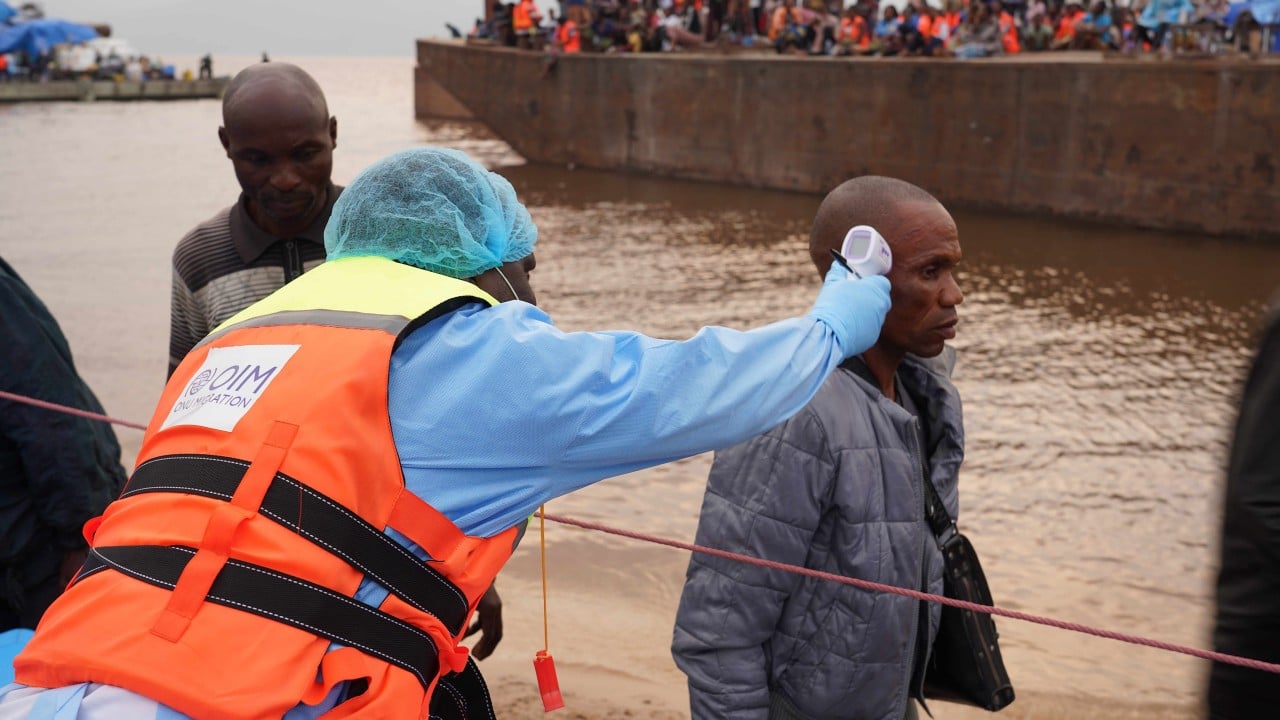
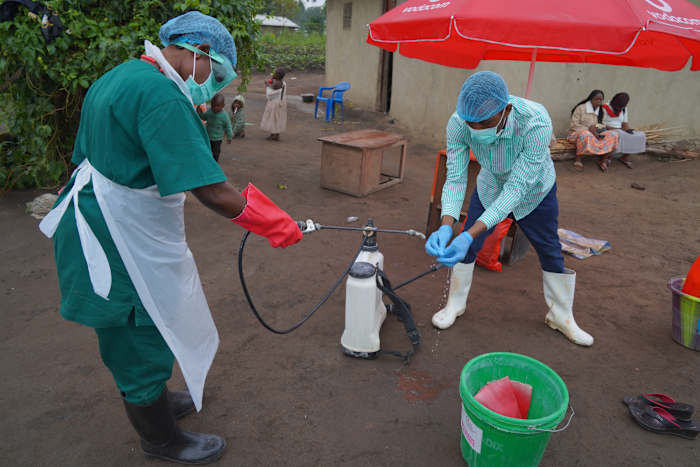
When you rush to declare an epidemic without having local trust, operational logistics, and community-led buy-in already locked down, an early declaration does not save lives. It triggers panic. People hide their sick relatives. They flee contact tracers. They seek out traditional healers who promise cures away from the prying eyes of foreign aid workers in biohazard gear.
An early declaration without absolute operational readiness is just an early gun firing while your shoes are still tied together.
What Actually Drives Transmission
To understand why outbreaks spiral out of control, you have to look past the calendar and look at supply chains and behavioral psychology.
Filoviruses do not care about bureaucratic timelines. They care about physical contact points. Let us define the actual drivers of exponential spread:
- Hospital-Acquired Amplification: Under-resourced local clinics lacking basic personal protective equipment, clean water, and sterilization protocols often transform ordinary treatment rooms into transmission engines.
- The Trust Deficit: Decades of marginalization mean rural populations view centralized health authorities as hostile occupiers rather than protectors.
- Logistical Friction: Moving cold-chain vaccines, diagnostic reagents, and trained personnel across difficult terrain without functional infrastructure takes weeks, regardless of when a press release goes live.
I have seen international response teams arrive with millions of dollars in high-tech diagnostic gear only to realize they cannot source diesel fuel for their generators or secure safe passage through local militia checkpoints. The date on the initial outbreak declaration is completely irrelevant when your supply chain breaks down fifty miles outside the capital.
The delay in declaring an outbreak is rarely a failure of observation. It is a failure of local health infrastructure to report upward without fear of professional or political retaliation.
The Counter-Intuitive Fix
If earlier declarations are a trap, what should we be doing instead?
Stop focusing on speed and start focusing on resilience. We need to flip the entire intervention model upside down.
Instead of building massive, top-down surveillance apparatuses designed to alert international bodies weeks faster, invest that capital directly into local primary healthcare workers. Give village clinics the autonomy, funding, and supplies to handle endemic pathogens safely on day one. When local clinics can manage fevers, isolate patients safely, and maintain community trust without calling in an army of foreign epidemiologists, you do not need an official declaration. The problem is already being solved locally.
Admittedly, this approach has downsides. It lacks the shiny metrics that international donors love to plaster across annual reports. You cannot easily graph decentralization on a central dashboard in Geneva. It is messy, slow to scale politically, and requires letting go of central control.
But it actually works.
Stop obsessing over the calendar. Fix the ground game.