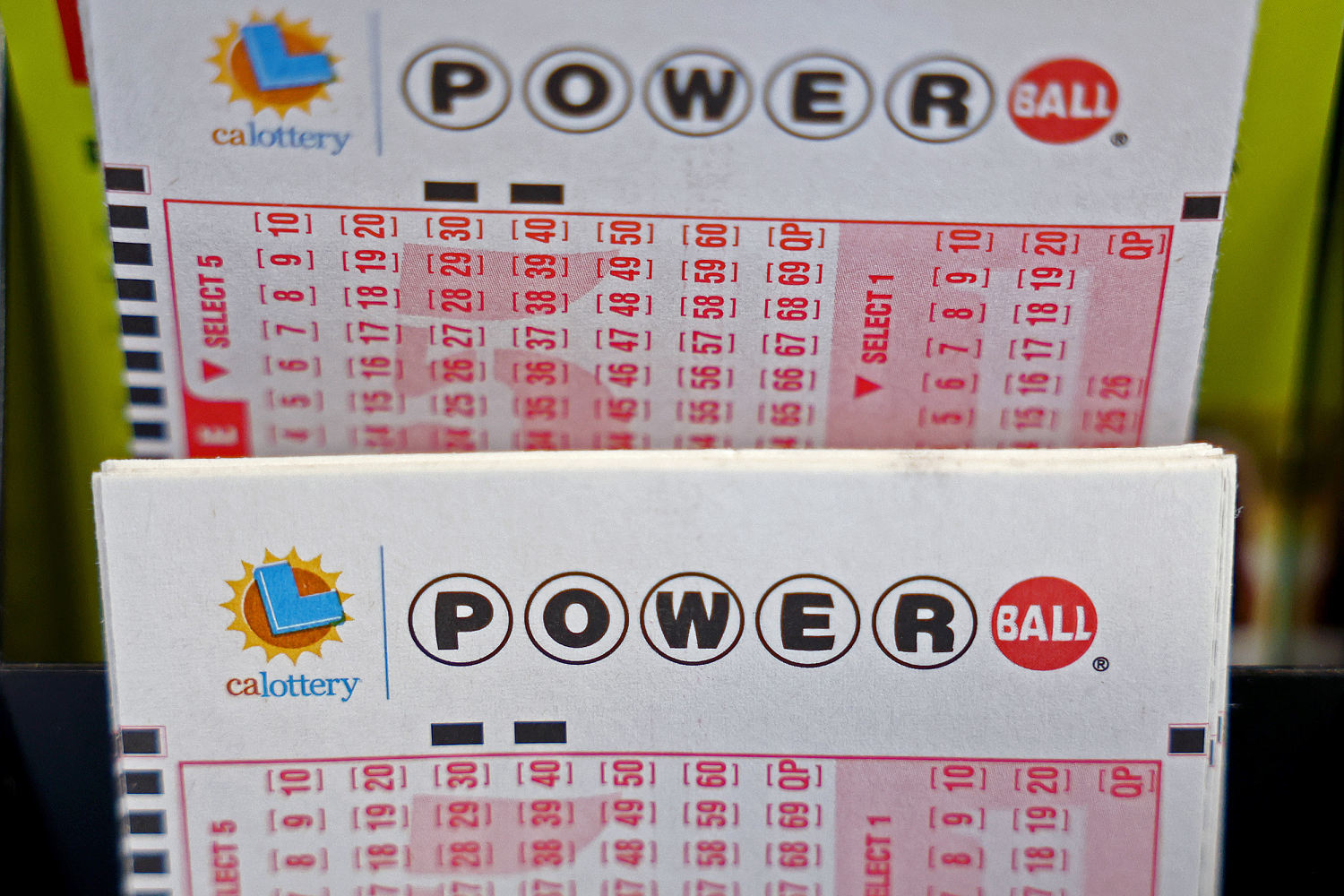
A single ticket purchased in Illinois claimed a staggering $1.337 billion Powerball jackpot, ending months of anticipation and instantly creating a household name that nobody will know by next year. The staggering payout represents the third-largest prize in the history of the game. Yet behind the flashing neon lights of suburban gas stations and the breathless media broadcasts lies a sobering financial reality. Millions of participants chase an illusion while structural odds remain heavily stacked against them.
Lotteries operate as a massive wealth redistribution engine running in reverse. Understanding the mechanics behind massive jackpots requires stripping away the marketing gloss. State-run games function essentially as an invisible, voluntary tax on populations that can least afford the expenditure. Recently making news in related news: Why Revoking Citizenship Over Paperwork Is A Dangerous Illusion Of Justice.
The Anatomy of a Mega Jackpot
When the advertised prize hits ten figures, consumer behavior shifts dramatically. Occasional buyers turn into regular purchasers. Office pools form with spreadsheets and cash collections. The psychological trigger is simple. A billion dollars feels fundamentally different from twenty million dollars. Human brains struggle to process exponential scale, treating any number past a certain threshold simply as infinite wealth.
Mathematics tells a much colder story. The odds of matching all six numbers in Powerball sit at roughly one in 292.2 million. To put that figure in perspective, an individual is statistically far more likely to be struck by lightning while simultaneously winning a local golf tournament. More details into this topic are detailed by NPR.
The escalation of these prizes is not accidental. Rule changes implemented by lottery officials over the years intentionally lowered the probability of winning. Fewer winners mean rollovers persist for weeks or months. Larger jackpots generate more media coverage. More coverage drives higher ticket sales. It is a self-sustaining financial loop engineered to maximize revenue for state coffers.
Where the Money Actually Goes
State governments defend lotteries by pointing to educational funding and public infrastructure. The narrative sounds noble on paper. Public schools need resources, and purchasing a two-dollar ticket feels like a civic contribution with a potential upside.
The reality on the ground is more complicated. Studies of state lottery allocations show that revenue replacement is a common bureaucratic practice. When lottery funds flow into education budgets, state legislatures frequently reduce baseline appropriations from general funds by a matching amount. The net gain for schools is often negligible.
Meanwhile, administrative costs, retailer commissions, and massive advertising budgets consume a significant slice of every dollar spent. Private corporations managing the backend technology and marketing infrastructure pull substantial profits from public fascination.
The Winners Curse and Sudden Wealth Syndrome
Winning the grand prize sounds like the ultimate escape hatch from financial anxiety. Financial planners and estate attorneys who specialize in lottery windups tell a different story.
Sudden wealth syndrome is a recognized psychological phenomenon. Winners face an immediate onslaught of requests from long-lost relatives, aggressive charities, and opportunistic investment promoters. Privacy vanishes overnight in states that do not allow anonymity for major claimants.
Taxes take the first massive bite. Choosing the lump sum option immediately reduces the headline figure by hundreds of millions of dollars before federal and state income taxes are applied. A billion-dollar jackpot rarely translates to a billion dollars in the bank. Net payouts typically land closer to forty percent of the advertised sum once Uncle Sam takes his share.
Long-term studies on lottery winners reveal surprising statistics. A notable percentage of major winners experience severe personal distress, strained family relationships, or eventual bankruptcy within a decade of claiming their prize. Money magnifies existing behavioral patterns rather than fixing foundational problems.
The Economics of Hope
Behavioral economists view lotteries through the lens of taxation on hope. For lower-income households facing stagnant wages and rising living costs, buying a ticket represents a rare purchase where the buyer can legitimately dream of systemic escape.
That emotional utility has value to the consumer. Spending a few dollars for a fantasy of early retirement or debt freedom acts as a form of entertainment. The danger begins when entertainment morphs into dependency.
Data consistently shows that lower-income zip codes purchase a disproportionate share of lottery tickets. Wealthier citizens treat the games as a novelty, while struggling families often view them as a viable financial strategy. That inversion of logic is the quiet tragedy humming beneath every record-breaking jackpot announcement.
Another Illinois ticket has changed hands, enriching state ledgers and filling news cycles with temporary wonder. The machinery of chance resets immediately. The next roll begins today, and the odds remain exactly where they started.