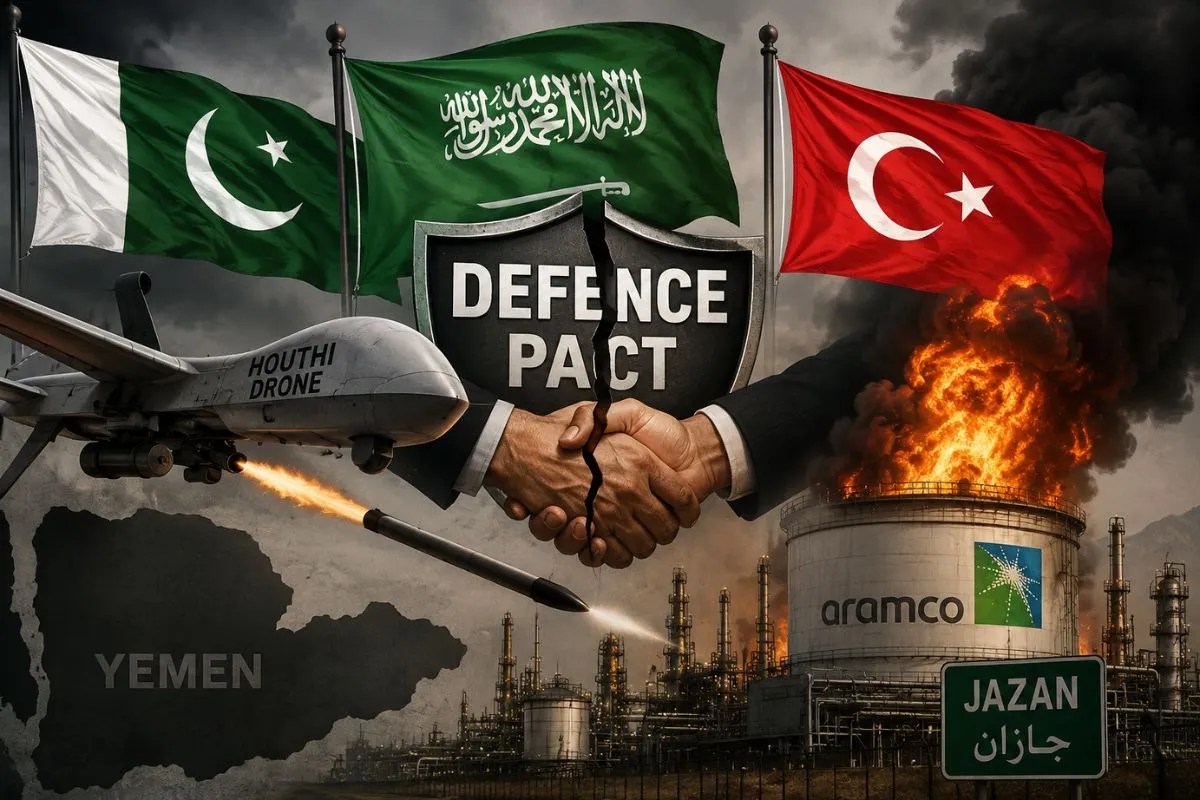
Geopolitical turbulence rarely pauses for bilateral cooperation, yet New Delhi and Jerusalem continue to strengthen their strategic development partnership even as conflict casts long shadows across West Asia.
When regional stability frays, standard diplomatic playbooks usually call for a tactical retreat into isolationism. Instead, the strategic alignment between India and Israel has evolved past traditional defense procurement into a sophisticated matrix of joint technological deployment, water security initiatives, and agricultural innovation networks. This deepening partnership operates quietly beneath the media noise of escalating tensions, driven by shared vulnerabilities and complementary economic strengths.
The Strategic Shift From Defense Buyers to Co-Developers
For decades, the bilateral relationship relied heavily on a straightforward buyer-seller dynamic. India purchased advanced defense hardware, while Israel supplied specialized military technology. That transactional era is effectively over.
Modern geopolitical realities demand joint research, shared intellectual property, and localized manufacturing under broader national security frameworks. Both capitals recognize that long-term security requires more than high-end weaponry. It requires systemic resilience in critical infrastructure, food supply chains, and resource management.
Water Diplomacy as Foreign Policy
Water scarcity serves as an immediate testing ground for this upgraded cooperation. Israel brings decades of mastery in desalination, drip irrigation, and wastewater recycling honed in an arid climate. India faces acute water stress across multiple agricultural belts and rapidly expanding urban centers.
Centers of Excellence established jointly across various Indian states have shifted from pilot projects into large-scale operational hubs. These facilities train local farmers on micro-irrigation techniques that reduce water usage while boosting crop yields.
- Precision Agriculture Integration: Deploying sensor-based irrigation systems tailored to regional soil compositions.
- Desalination Infrastructure: Collaborating on advanced membrane technologies for coastal municipal water treatment plants.
- Knowledge Transfer: Establishing direct academic and technical exchange programs for agronomists and hydraulic engineers.
Navigating Regional Disruption and Supply Chain Realities
The ongoing volatility involving Iran and adjacent conflict zones introduces severe friction into international shipping lanes and trade corridors. Energy security and maritime trade routes face constant recalculation.
Despite these disruptions, bilateral projects proceed through alternative logistical channels and accelerated digital cooperation. The focus has pivoted toward decentralized technological solutions that remain insulated from physical supply chain bottlenecks. Cybersecurity protocols, fintech integration, and joint artificial intelligence applications for public infrastructure do not rely on traditional cargo vessels navigating contested straits.
Economic Pragmatism Over Rhetoric
Critics often question how ongoing conflicts in West Asia impact the long-term viability of trans-regional economic corridors. The pragmatic answer lies in institutional insulation. While state-level defense pacts grab headlines, the engine of this partnership rests on private sector consortia, academic institutions, and specialized startup ecosystems.
Venture capital networks between Tel Aviv and Bangalore are funding joint ventures in medical technology, renewable energy storage, and climate-resilient crop varieties. This commercial velocity ensures that the relationship survives short-term geopolitical shocks through deeply embedded economic interdependencies.
The Road Ahead for Bilateral Innovation
As global power dynamics shift toward fragmented regional blocs, the India-Israel development partnership offers a blueprint for middle-power cooperation. It relies on mutual utility rather than ideological alignment, prioritizing practical outcomes over diplomatic theater.
The expansion of this alliance proves that shared strategic threats can catalyze profound economic collaboration. By embedding resilience directly into agriculture, water management, and technological infrastructure, both nations are building a framework that outlasts immediate geopolitical crises.