Berlin Zoo isn't just about looking at pandas or watching penguins eat. For a specific group of visitors, it's a lifeline. I'm talking about the dementia-friendly tours that have quietly become one of the most effective therapeutic programs in Germany's capital. While most people see a zoo as a weekend distraction, for those living with memory loss, it's a sensory gateway to a past that feels increasingly out of reach.
The concept is simple but brilliant. It's not about learning Latin names or biological facts. It’s about the smell of hay. The sound of a trumpeting elephant. The sight of a familiar animal that triggers a story from 1965. Memory isn't a single filing cabinet; it's scattered across our senses. When the brain starts to fail, these sensory hits act like jumper cables for the mind.
More Than Just A Walk In The Park
Dementia strips away a person’s confidence. It makes the world feel loud, fast, and dangerous. Most public spaces are a nightmare for someone who can't process complex instructions or navigate crowds. Berlin Zoo changed the math by slowing everything down. They trained their staff to understand that a tour for a person with Alzheimer’s isn't a lecture. It’s a conversation.
The guides don't rush. They don't get frustrated if someone asks the same question six times. They wait. They focus on the emotional resonance of the animals. Seeing a baby giraffe isn't just "cute" for these visitors; it's a reminder of care, growth, and the cycle of life they’ve witnessed for decades. This isn't some experimental theory. It's based on real neurological evidence that emotional memory often outlasts factual memory. Even if a participant forgets the visit by the time they get home, the "emotional tail" of the happiness they felt stays with them for hours or even days.
The Science Of Sensory Triggers
We need to talk about why animals work better than a museum or a theater. Animals are unpredictable and present. They don't judge. A tiger doesn't care if you've forgotten your daughter's name. It just exists. This creates a pressure-free environment that is incredibly rare for dementia patients.
Research from the University of Zurich and similar institutions has shown that animal-assisted interventions can significantly lower cortisol levels in elderly patients. When you're at the Berlin Zoo, you see this in real-time. Shoulders drop. Hands stop shaking. People who have been non-verbal for weeks might suddenly point at a seal and say, "We had a dog that swam like that." It’s a breakthrough. Small, but massive.
These tours prioritize what I call "high-contrast" experiences.
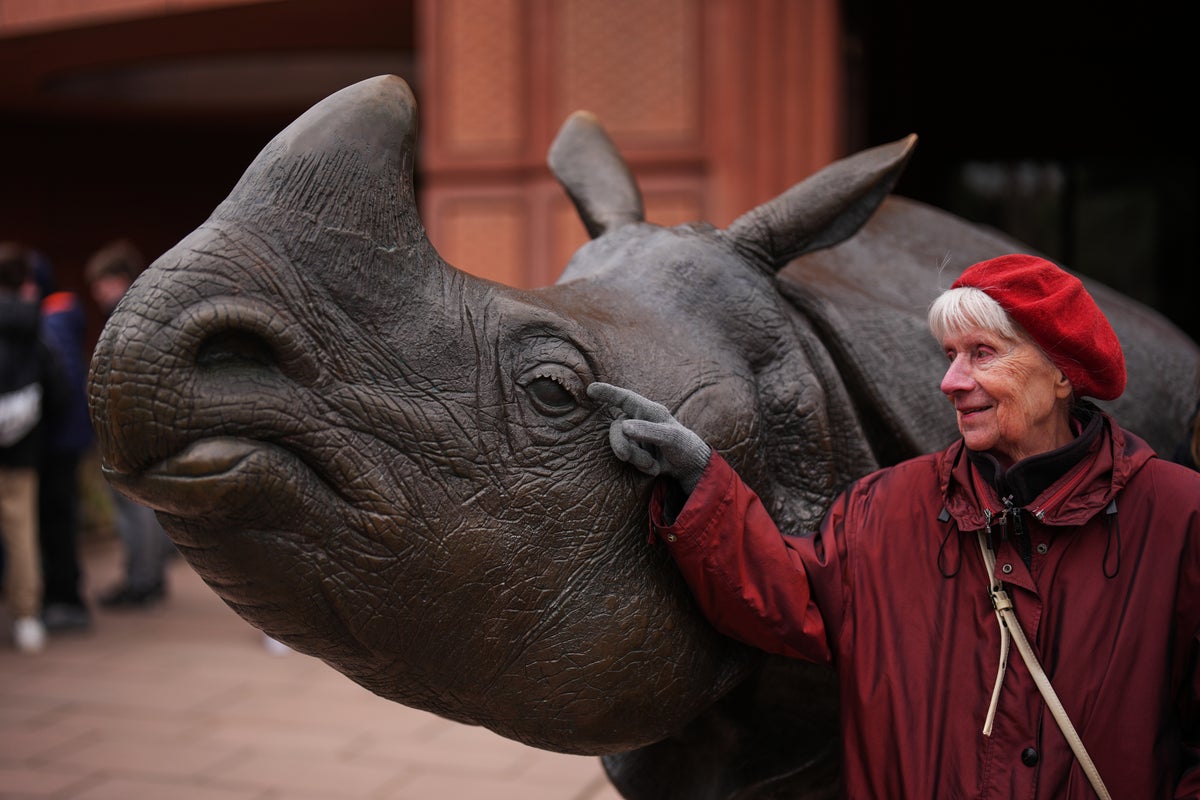
- The pungent, earthy scent of the rhino house.
- The bright, flashing colors of the bird sanctuary.
- The tactile feel of a goat’s wool in the petting area.
These aren't just details. They're anchors. They keep the person tethered to the "now" while giving them a safe bridge to the "then."
Berlin Is Setting A Global Standard
Europe is aging fast. We can't just stick people in rooms with beige walls and daytime television. That’s a death sentence for the spirit. Berlin Zoo’s initiative shows that urban infrastructure can—and should—be repurposed for social good. They’ve integrated these tours into the city’s social fabric, working with local care homes and the Alzheimer's Society.
They also solve a huge problem for caregivers. Being a full-time carer is exhausting and isolating. These tours give the spouse or the adult child a chance to see their loved one as a person again, not just a patient. It’s a shared joy. For ninety minutes, they aren't managing a disease. They're just a couple at the zoo. That respite is worth more than any medication you can find in a pharmacy.
How To Bring This To Your Own Community
You don't need a world-class zoo like Berlin's to make this happen. The principles are universal. If you’re a caregiver or a local organizer, you can recreate the "Berlin Effect" with what you have.
Start by finding "low-stimulation" windows at local attractions. Call the local farm, the botanical garden, or even a quiet park. Ask for the off-peak hours when the school groups aren't there.
Focus on three things.
- Accessibility. Is there a place to sit every fifty meters?
- Sensory focus. Can we touch the plants? Can we hear the water?
- Patience. The person leading the walk needs to be a listener, not a talker.
Stop treating dementia like a problem to be hidden. It’s a stage of life that requires a different kind of engagement. Berlin Zoo proves that if you change the environment, you change the person’s capacity to enjoy their life.
Go find a local park or a small petting zoo this week. Don't plan a "big day out." Plan a "big sensory moment." Watch the eyes. Listen for the stories. You’ll be surprised at what’s still in there, waiting for the right spark to bring it back to the surface.