You think you know how hostage negotiations are supposed to go. A tense standoff, a skilled negotiator on a phone, empty promises of a getaway vehicle, and eventually, everyone walks out with their hands up. That is the Hollywood script.
But real life does not care about scripts.
On June 2, 2026, a routine Tuesday afternoon in downtown Bakersfield, California shattered into a 15-hour nightmare. It ended the only way it could when a heavily armed man claims he has a bomb and starts tying up innocent people. It ended with an FBI sniper pulling the trigger.
The media rushed out the usual headlines about a bank robbery gone wrong. But if you look closely at the details emerging from the Bakersfield Police Department and the FBI Sacramento field office, this was never just a robbery. This was an act of absolute desperation by a man with a dark history, and it forces us to look at how federal law enforcement handles worst-case scenarios when human lives are hanging by a thread.
Anatomy of a 15-Hour Standoff
The chaos started around 1:00 p.m. at a four-story office building on Truxtun Avenue. The ground floor houses a Chase Bank branch. The upper floors hold the Kern County Superintendent of Schools office.
A man walked into the building and claimed he had a bomb. Local police didn't open the negotiation playbook by calling it a hostage situation right away. Sergeant Eric Celedon initially told reporters he wasn't using the "H-word." Why? Because panic spreads faster than wildfire.
But behind the dark-tinted windows of that building, a horror story was unfolding.
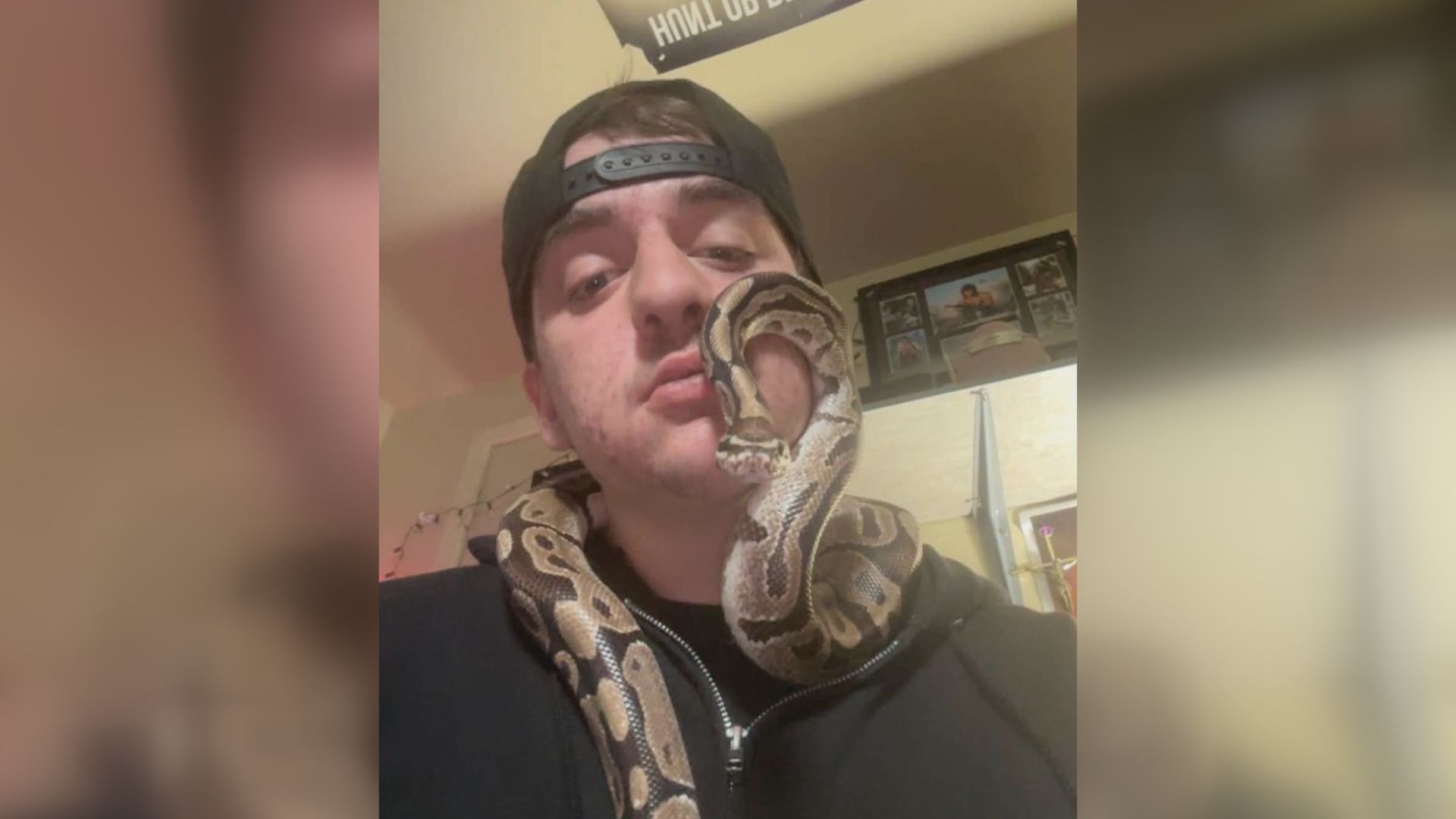
The suspect, later identified by FBI Special Agent in Charge Sid Patel as 41-year-old Anthony Scott Searle-Sharris, forced his way to the second floor. He didn't just want cash. He rounded up ten community members and barricaded himself inside.
He didn't just hold them at gunpoint. He tied five of them up.
Even worse, Searle-Sharris told negotiators he had attached explosive devices directly to the hostages. Think about that for a second. Imagine the psychological terror of sitting in a room, bound, with a man claiming he can detonate a bomb against your skin at any moment. Outside, local livestreamers captured a woman through the second-story glass rocking back and forth in pure terror before crouching out of sight.
The Turning Point in the Shadows
By nightfall, Bakersfield looked like a war zone. City Hall, the development services building, and even the police headquarters just a block away were completely evacuated. Streets were locked down. A local politician even canceled an election night watch party downtown to keep crowds away.
Bakersfield police negotiators spent hours on the phone with Searle-Sharris. They managed to secure the release of two hostages on Tuesday evening. But as the clock ticked past midnight and into the early morning hours of Wednesday, June 3, the tone inside that room changed.
Negotiations failed.
When a suspect stops talking and starts showing signs that he is willing to die—and take everyone with him—the local police hand the keys over to the feds. The FBI’s Hostage Rescue Team (HRT) moved into position.
At 4:20 a.m., tactical teams made their move. The FBI neutralized Searle-Sharris in what officials call an officer-involved shooting. He died on the scene.
The good news? Every single remaining hostage walked out alive. Physically unharmed, though mentally scarred for life.
Who Was Anthony Scott Searle-Sharris?
We always want to know the "why" behind these events. Was it economic desperation? Mental illness?
The FBI revealed that Searle-Sharris was a man with a deeply troubled past. He wasn't a mastermind; he was a ticking time bomb.
- Military Record: He served in the U.S. Army from 2006 to 2007 but was dishonorably discharged after going absent without leave (AWOL).
- Criminal History: Law enforcement officials noted he was "no stranger to law enforcement" and carried a significant prior record.
- Registered Sex Offender: His background included convictions that required him to register, adding another layer to his volatile history.
When you look at this profile, you see a man who had been burning bridges and breaking laws for nearly two decades. When someone like that corners themselves in a building with a bomb threat, they usually aren't looking for an escape route. They are looking for a finale.
What This Teaches Us About Modern Law Enforcement
People often criticize law enforcement for using lethal force. They ask why the police couldn't just keep talking to him. Why didn't they wait him out?
Honestly, waiting can be a fatal mistake.
The moment a suspect claims to have explosives strapped to hostages, the math changes. You cannot risk a tactical entry where a suspect pushes a button and blows up an entire floor. The FBI HRT relies on precision. They wait for the exact micro-second where the suspect presents a clear shot, and they take it.
It's a brutal reality, but the outcome speaks for itself. Ten hostages went into that building. Two were negotiated out, and eight were rescued by force. Zero innocent lives were lost.
If you want to understand how deep these operations go, look into the tactical history of federal interventions. For those interested in the mechanics of crisis resolution, the FBI's official operational guidelines offer a glimpse into why federal agents take over these local scenes when explosive threats are on the table.
The Immediate Reality in Bakersfield
If you live in Kern County or need to travel through downtown Bakersfield today, forget your normal routine. The investigation is massive, and federal agents are sweeping every square inch of that Chase Bank building to ensure there are no actual explosives left behind.
Expect heavy traffic delays around Truxtun Avenue for the rest of the week. Local authorities are telling everyone to completely bypass the downtown core. Give the police the space they need to finish processing the scene.
A crisis like this shakes a community to its core, but it also shows exactly what happens when local and federal agencies lock into place and do their jobs without hesitation. The script didn't have a peaceful ending, but the right people survived.