The recent public engagement by Iran’s chief nuclear negotiator, Abbas Araghchi, directed toward the incoming Trump administration represents a calculated deployment of asymmetric signaling rather than a mere social media provocation. To view these interactions through the lens of political theater is to ignore the underlying game theory governing the Joint Comprehensive Plan of Action (JCPOA) and its potential successors. The Iranian strategy relies on a dual-track mechanism: maintaining a credible threat of rapid enrichment while simultaneously signaling an "exit ramp" to avoid the catastrophic economic pressures of a "Maximum Pressure 2.0" campaign.
The Structural Architecture of Iranian Leverage
The Iranian negotiating position is built upon three distinct pillars of leverage. Each pillar functions as a variable in a broader equation of regional stability and non-proliferation.
- Technical Irreversibility: Unlike the 2015 environment, Iran’s current nuclear program possesses higher-grade enrichment (60% Uranium-235) and advanced centrifuge technology (IR-6 strings). The knowledge gained during the post-2018 escalation cannot be unlearned through a simple return to previous caps.
- Economic Resilience and Pivot: The "Neighborhood Policy" and increased integration with the BRICS+ framework provide a buffer against Western isolation. This diversification changes the cost-benefit analysis of sanctions, as the marginal utility of additional US Treasury designations diminishes once a certain threshold of isolation is surpassed.
- The Time-to-Breakout Variable: This is the primary metric by which Western intelligence agencies measure risk. By shortening this window, Iran forces a sense of urgency on the US executive branch, attempting to extract preemptive concessions before a "zero-hour" scenario is reached.
The Cost Function of "Maximum Pressure"
The efficacy of US policy is often measured by the intensity of sanctions, yet a rigorous analysis requires examining the Decay Rate of Sanctions Efficacy. Sanctions operate on a curve where initial implementation causes high systemic shock, followed by a plateau where the target state develops parallel financial architectures (e.g., hawala systems, shadow banking, and bilateral trade in local currencies).
The Trump administration’s previous strategy relied on the assumption that total economic strangulation would force a regime-ending crisis or a fundamental policy shift. However, the data suggests a different outcome: Systemic Hardening. The Iranian economy transitioned from an oil-dependent model to a more diversified, albeit constrained, manufacturing and service economy. Any new administration must account for this increased "crush depth" of the Iranian state.
The Signal-to-Noise Ratio in Diplomatic Trolling
When Araghchi engages in public discourse regarding past "deals" or "mistakes," he is performing a stress test on the new administration’s internal cohesion. The objective is to identify the friction points between the "America First" isolationist wing, which seeks to avoid Middle Eastern entanglements, and the traditional "Hawkish" wing, which views Iran as an existential threat to regional hegemony.
This signaling utilizes a Consistency Heuristic. By referencing the failure of the 2018 withdrawal, Iran attempts to frame the US as an unreliable counterparty. In game theory, a player who is perceived as unable to commit to long-term contracts loses the ability to bargain effectively. Iran’s rhetorical strategy is designed to amplify this perception among European and Asian allies, thereby weakening the multilateral consensus required for a truly effective sanctions regime.
The Enrichment-Sanction Feedback Loop
The relationship between Iranian technical advancement and Western economic pressure is not linear; it is a feedback loop characterized by Anticipatory Escalation.
- Phase 1: Pressure Application. The US increases the cost of Iranian exports through secondary sanctions.
- Phase 2: Technical Response. Iran increases enrichment levels or restricts IAEA access to demonstrate that the cost of pressure is a higher proliferation risk.
- Phase 3: Crisis Management. Both parties enter a "de-confliction" phase where informal "gray-zone" agreements are made to prevent kinetic escalation.
The current "trolling" fits into Phase 3. It serves as a probe to determine if the new administration is willing to bypass formal treaty structures in favor of a "Grand Bargain" or a series of transactional arrangements. The Iranian leadership understands that the Trump administration prioritizes "the deal" as a metric of personal and political success. By framing the previous JCPOA exit as a tactical error by advisors rather than a fundamental flaw in the President's logic, Araghchi is attempting to create a face-saving path for a new round of high-level summits.
Strategic Bottlenecks in the "New Deal" Framework
Any attempt to forge a "Trump-era" Iran deal faces three structural bottlenecks that no amount of diplomatic signaling can easily bypass:
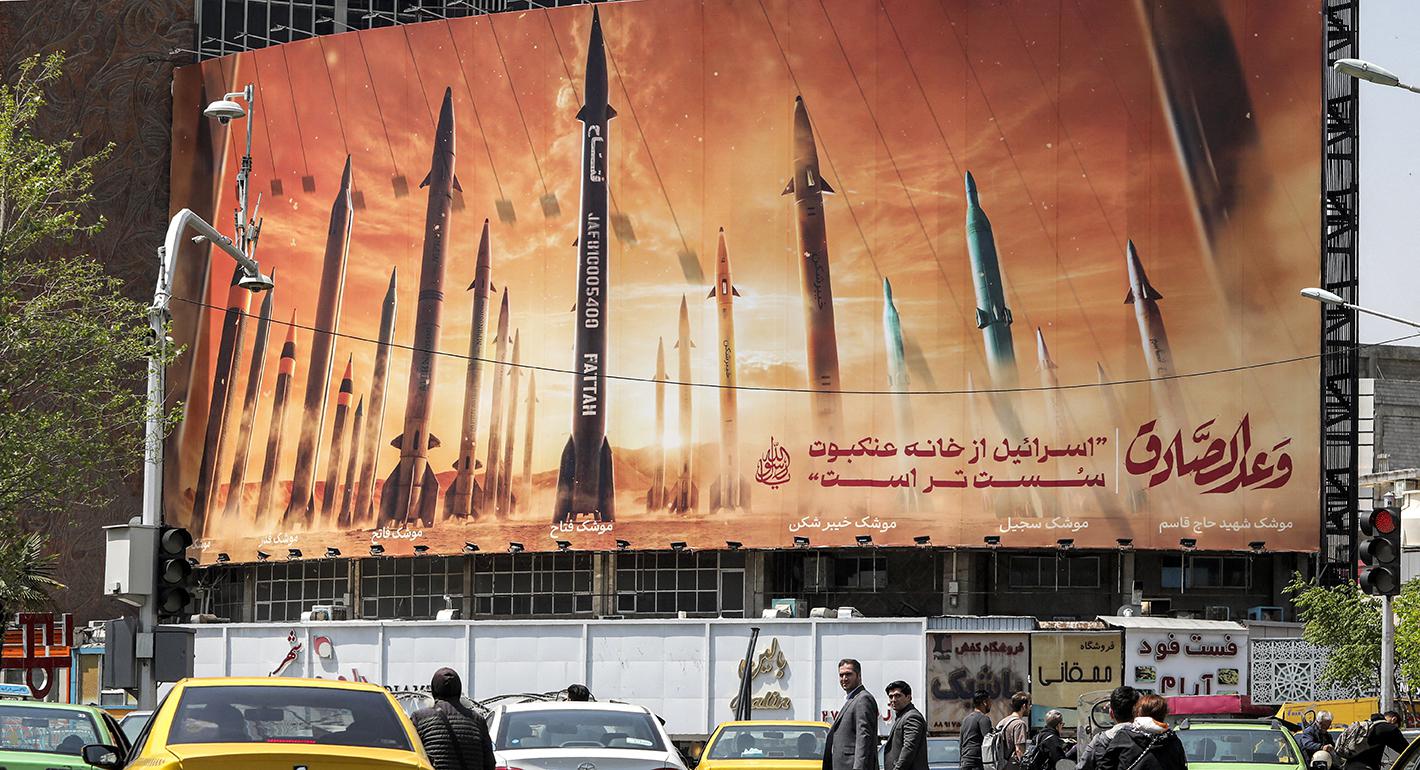
- The Regional Security Dilemma: The inclusion of ballistic missile programs and regional proxy activities—demands previously made by the US—is a non-starter for the Iranian security establishment. These assets are viewed as conventional deterrents against superior air power in the region.
- The Sunset Clause Contradiction: Iran requires long-term certainty to attract foreign direct investment (FDI). However, the US political system’s volatility makes any executive agreement vulnerable to reversal by a subsequent administration. Without Senate ratification as a treaty (which is politically impossible), any deal remains a "Gentleman’s Agreement" with a four-to-eight-year expiration date.
- The Verification Gap: The increased sophistication of Iranian nuclear facilities, including those buried deep underground (e.g., Fordow), makes the 2015 verification protocols obsolete. A "new deal" would require intrusive inspections that the Iranian military views as a pretext for intelligence gathering.
Quantifying the "Maximum Pressure" 2.0 Probability
The likelihood of a return to total isolation is high, but its impact is limited by the Global Multi-Polarity Shift. In 2018, China’s willingness to defy US secondary sanctions was nascent. In 2026, the infrastructure for bypassing the SWIFT network and the dollar-clearing system is significantly more robust.
The Iranian strategy is therefore to play for time. By engaging in high-visibility social media diplomacy, they create a narrative of "reasonable engagement" for the international community. If the US ignores these overtures and returns to aggressive sanctions, Iran can claim the moral high ground, facilitating continued cooperation from non-Western powers who are weary of US extraterritorial jurisdiction.
Tactical Recommendation for the Executive Branch
To break the current cycle, the US must shift from a policy of Variable Pressure to a policy of Strategic Clarity. The current ambiguity allows Iran to exploit the gap between rhetoric and enforcement.
The most viable path forward is the establishment of a "narrow-scope" transactional framework. This would focus exclusively on the "breakout time" variable in exchange for specific, ring-fenced sanctions relief (e.g., humanitarian goods and limited oil sales to specific clearinghouses). This avoids the political impossibility of a "comprehensive deal" while lowering the immediate risk of a regional conflagration.
The Iranian "trolling" is an invitation to this transactional table. The administration should ignore the tone and focus on the technical parameters being offered: a return to caps in exchange for a removal of the "Maximum Pressure" floor. Success in this theater depends on the ability to decouple nuclear non-proliferation from the broader regional power struggle—a task that requires clinical detachment from the provocative rhetoric of the negotiators themselves.