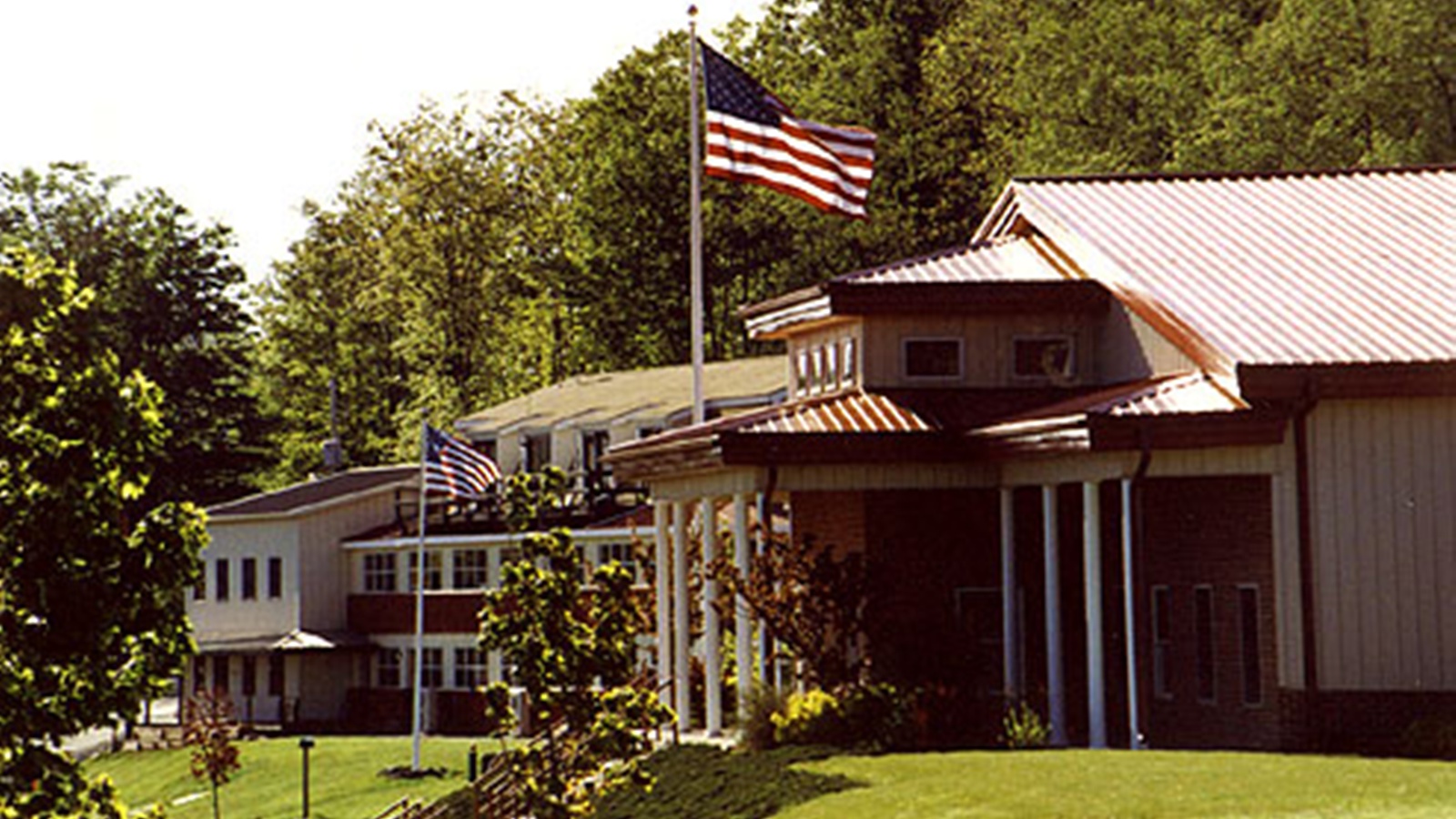
High-fee residential behavioral institutions operate on a specific economic asymmetry: desperate parents outsource legal guardianship to private entities that trade geographic isolation for absolute operational control. A $10 million federal lawsuit filed in Brooklyn against the family running the Family Foundation School in Hancock, New York, exposes the systemic vulnerabilities of this business model. By charging up to $80,000 annually per student, the institution did not purchase specialized therapeutic care; instead, it funded an insular corporate structure designed to minimize regulatory oversight while extracting forced labor.
Deconstructing the mechanics of this system requires moving past sensory descriptions of abuse to analyze the cold structural pillars that make institutional exploitation sustainable over multiple decades. The market for the "troubled teen industry" thrives on information scarcity and the legal transfer of parental authority. When analyzed as a business operation, the structural failures resolve into three distinct behavioral mechanisms.
The Asymmetric Capture of Legal Guardianship
The foundational transaction of the residential disciplinary model relies on a total realignment of legal and financial leverage. To understand how an $80,000-a-year facility avoids market corrections despite severe systemic failure, look at the initial recruitment funnel.
- Information Arbitrage: Marketing protocols target families facing acute behavioral crises, presenting the institution as a high-tier academic and therapeutic solution.
- The Legal Severance: Upon enrollment, the facility requires families to cede legal guardianship. This transfer strips the minor of an independent external advocate and grants the operators total authority over communication, physical mobility, and medical care.
- Financial Capitalization: The premium pricing mechanism serves a dual purpose. It filters for high-net-worth clients who can absorb the cost, and it funds the significant administrative and legal defense structures necessary to suppress localized dissent.
This contract shifts the burden of proof entirely onto the consumer. The student is cut off from external communication, while the parents face a massive psychological sunk-cost bias, having already validated the financial and legal surrender of their child.
Labor Extraction as an Operational Cost Offset
The metrics of the recent New York federal filing show that high-fee disciplinary facilities frequently supplement tuition revenue by substituting student labor for market-rate operational costs. According to the court documents, students were forced into manual labor under the guise of "character building" or vocational rehabilitation.
When viewed as an accounting framework, this represents a pure extraction of uncompensated value to benefit the private capital of the owners. Students performed construction labor on private residences, maintained real estate, shoveled snow, and cleaned livestock pens on the Argiros family estate.
By utilizing a captive population for physical plant maintenance and private agricultural upkeep, the facility eliminated structural overhead costs. This operational model effectively double-dips on revenue: it charges a premium market fee for therapeutic intervention while reducing internal labor costs to zero through coerced enforcement.
The Regulatory Sunk Cost and Local Power Dynamics
A critical bottleneck in the regulation of isolated residential schools is the concept of regional capture. The Family Foundation School operated successfully in a small village because the owners maintained deep real estate holdings and significant localized economic influence.
When an institution represents a major source of regional employment or real estate tax revenue, a conflict of interest forms for local municipal authorities. Reports of physical degradation, forced confinement, and ritualized group punishments face systemic friction before ever reaching state-level oversight bodies. The local economy becomes financially dependent on the preservation of the institution, allowing systemic operational failures to be dismissed as standard disciplinary practices.
The legal strategy deployed by survivors utilizes the Child Victims Act to bypass historical statutes of limitations, moving the venue from compromised regional courts to a broader federal stage. This shift exposes the operational reality that without strict, unannounced, state-level regulatory metrics and the prohibition of total guardianship transfers, premium residential care remains highly vulnerable to predatory exploitation.


