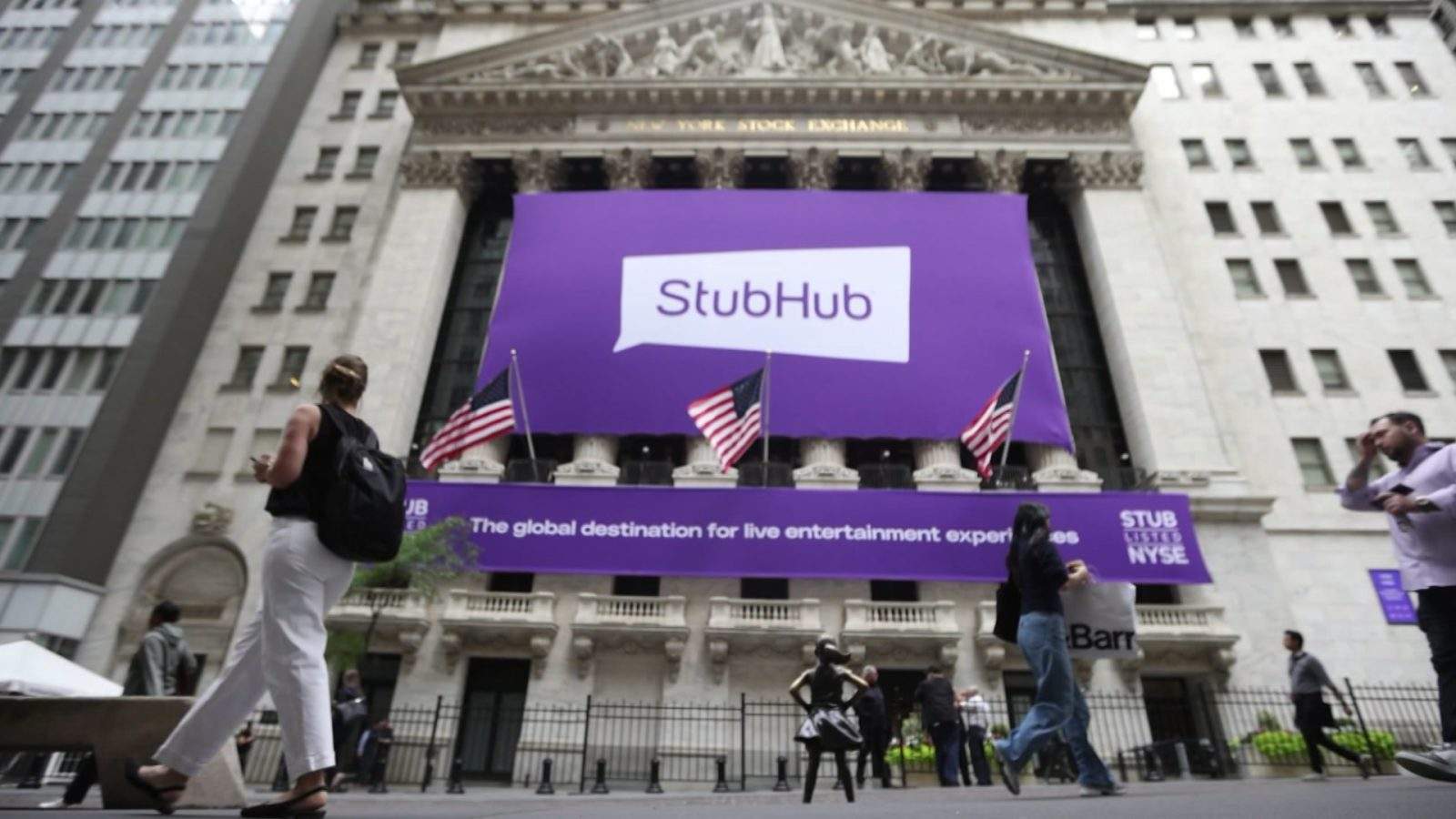
Secondary ticketing platforms rely on a foundational economic fiction that speculative inventory can be monetized before physical or digital custody is established. When applied to high-friction, closed-ecosystem mega-events like the FIFA World Cup, this model ceases to function as a marketplace and instead operates as an unhedged futures exchange. The resulting collapse of delivery mechanisms, subsequent multi-million dollar class-action lawsuits, and sharp equity drawdowns for StubHub expose the structural limits of open-market brokerage when confronted with a governing body that exercises total monopoly control over asset issuance.
Understanding why thousands of fans arrived at stadium gates empty-handed requires examining the operational mechanics that allowed listings to exist for non-existent inventory.
The Economics of Speculative Supply
In standard domestic sports leagues, ticket transfer protocols are standardized through open application programming interfaces and transferable digital tokens. The friction of transfer is low, allowing secondary brokers to operate on short settlement windows. The 2026 FIFA World Cup introduced a radically different operational constraint. FIFA retained absolute control over ticket distribution, utilizing closed-loop digital infrastructure where tickets were tied directly to official mobile applications and restricted from free transfer until much closer to match dates.
Despite this structural barrier, marketplace platforms permitted sellers to list and monetize tickets before FIFA had even initiated its primary issuance cycle. This created an inverted liquidity model. Brokers and individual speculators sold rights to assets they did not physically or digitally possess, operating on the assumption that primary buyers would eventually transfer the credentials.
This practice transforms a ticket resale marketplace into a short-selling engine. In financial markets, short selling requires strict margin requirements and borrow fees to account for settlement risk. In secondary ticketing, platforms collected transaction fees immediately while shifting 100% of the settlement risk onto the end consumer. When primary issuance schedules shifted or FIFA invalidated third-party transfers, the underlying asset vanished, triggering a cascade of order cancellations hours before kickoff.
The Arbitrage of Liability
The legal exposure facing marketplace operators centers on the divergence between marketing promises and operational reality. Platforms market comprehensive buyer protection policies—such as the FanProtect Guarantee—as absolute insurance against fulfillment failure. These guarantees function as trust anchors designed to reduce consumer friction and justify high service fees.
When systemic fulfillment failures occur on a mass scale, the cost function of these guarantees breaks the platform's financial model. The liabilities are split into two distinct tiers:
Direct transaction liability involves the immediate capital refund of the face value and markup paid by the consumer. While painful, this is a predictable variable cost that can be provisioned for in corporate balance sheets.
Consequential loss liability involves the secondary economic damage incurred by the buyer, including international flights, hotels, and local transit booked specifically for the match. Class-action lawsuits target precisely this tier, arguing that platforms engaged in deceptive trade practices by selling tickets they were legally or operationally unauthorized to distribute. By allowing listings for non-issued inventory, the platform implicitly represented that it held verified control over the asset class, creating legal exposure that extends far beyond simple transaction refunds.
Platform Architecture versus Closed Ecosystems
Corporate responses to operational failures often default to externalizing blame. Leadership attributes the crisis to the event organizer's rigid technological infrastructure, citing convoluted transfer processes and uncommunicative primary systems. While FIFA's centralized control undoubtedly created friction, this argument misdiagnoses the core systemic vulnerability.
A marketplace operator acting as an intermediary assumes the duty of inventory verification. If an inventory source relies on a closed loop that legally prohibits secondary transfer or delays issuance until arbitrary windows, an intermediary must either build verification mechanisms into its ingestion pipeline or restrict listings to confirmed, in-wallet assets.
By prioritizing gross merchandise value and transaction volume over verification integrity, the platform accepted speculative listings as a core growth driver. The resulting revenue surge in transaction fees proved illusory once the fulfillment rate plummeted. The subsequent financial losses and equity contraction demonstrate that volume-at-all-costs growth models are fundamentally incompatible with closed-ecosystem events governed by hostile primary rights holders.
To eliminate speculative default risk in closed-ecosystem mega-events, secondary marketplaces must transition from open-entry listing models to custodial escrow architectures. Sellers should be required to deposit digital assets into platform-controlled escrow wallets prior to listing activation, matching the technical reality of modern sports administration. Until operational protocols are restructured to mirror the security of the primary issuer, speculative ticketing will remain a high-beta liability vector.