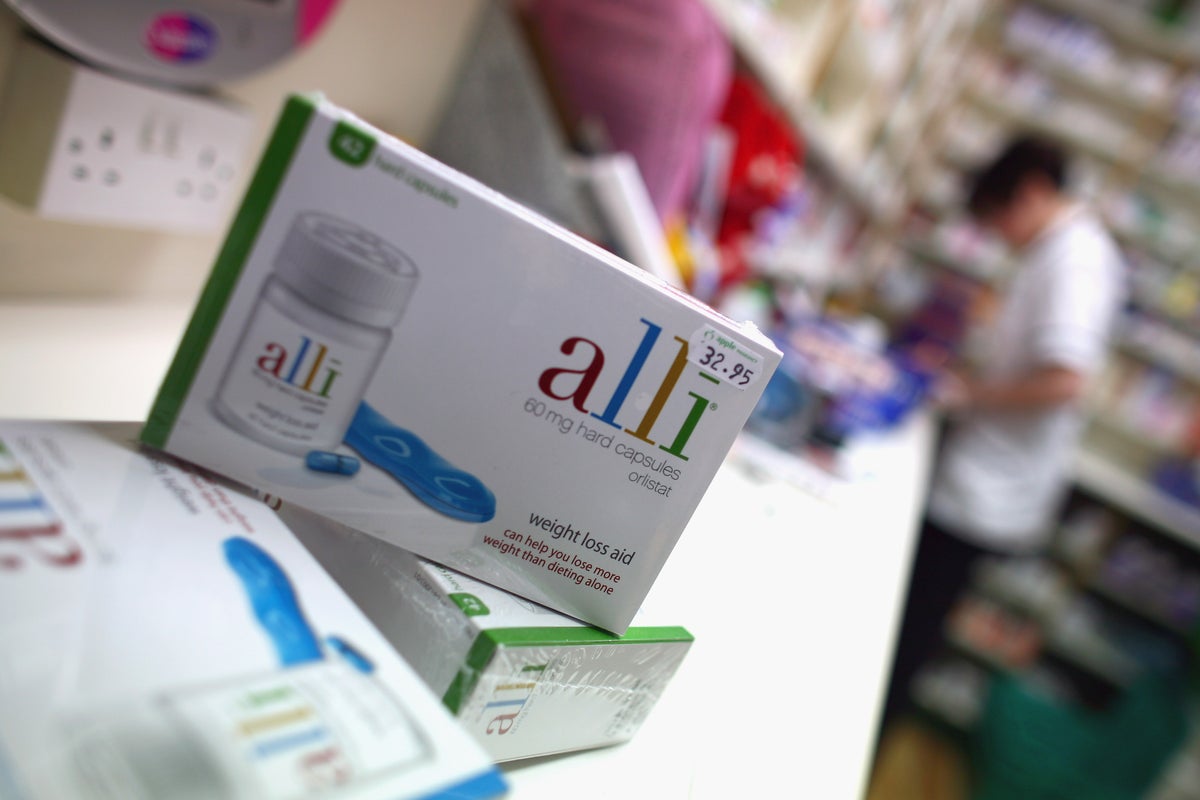
The operational reality of over-the-counter pharmacotherapy is governed by a dangerous cognitive bias: consumers structurally equate non-prescription availability with absolute safety. The Food and Drug Administration (FDA) dismantled this assumption by mandating a uniform, high-severity renal warning across all formulations of the anti-obesity drug orlistat. This regulatory shift bridges the historical communication gap between the over-the-counter version, Alli (60 mg), and its prescription-strength counterpart, Xenical (120 mg).
A comprehensive evaluation of the FDA Adverse Event Monitoring System and post-marketing medical literature spanning from initial consumer rollout to the present revealed a critical physiological bottleneck. Gastrointestinal lipase inhibition, the structural mechanism orlistat utilizes to induce weight loss, triggers an unintended metabolic cascade that directly compromises renal architecture. The regulatory decision to enforce identical Warnings and Precautions sections across all brand tiers confirms a stark clinical reality: metabolic risks do not scale linearly with dosage, and the safety margin of non-prescription metabolic interventions is narrower than historical market positioning implies.
The Mechanistic Cascade of Oxalate Nephropathy
To comprehend why a localized gastrointestinal mechanism disrupts systemic renal filtration, the metabolic pathway of unabsorbed lipids must be mapped down to the cellular level. Orlistat operates by covalently binding to the active serine sites of gastric and pancreatic lipases within the lumen of the stomach and small intestine. This intervention prevents these enzymes from hydrolyzing dietary triglycerides into absorbable free fatty acids and monoglycerides.
The primary intended outcome is the structural malabsorption of approximately 30% of ingested dietary fat. However, this downstream lipid accumulation fundamentally alters the chemical equilibrium of the intestinal lumen through a specific three-step chemical process.
Step 1: Calcium Competitive Binding
Under basal physiological conditions, free dietary calcium binds readily to dietary oxalate within the intestinal lumen, forming an insoluble crystalline complex:
$$\text{Ca}^{2+} + \text{C}_2\text{O}_4^{2-} \rightarrow \text{CaC}_2\text{O}_4 \downarrow$$
This compound cannot penetrate the intestinal epithelium and is excreted harmlessly via feces. When orlistat inhibits lipases, the unabsorbed free fatty acids present in the lumen outcompete oxalate molecules to bind with available ionized calcium. This process saponifies the calcium, forming insoluble lipid-calcium soaps and leaving the dietary oxalate highly soluble and unbound.
Step 2: Systemic Hyperoxaluria
The newly liberated, unbound oxalate remains completely dissolved within the fluid matrix of the colon. Because orlistat-induced fatty acid accumulation acts as a localized irritant, it increases the permeability of the tight junctions within the colonic mucosa. The highly concentrated, soluble oxalate rapidly diffuses across the intestinal barrier via passive paracellular pathways, entering systemic circulation and creating a state of enteric hyperoxaluria.
Step 3: Intratubular Crystalline Precipitation
The kidneys serve as the primary clearance mechanism for systemic oxalate. As the glomerular filtrate moves through the proximal tubule and descends into the loop of Henle, water is systematically reabsorbed, drastically increasing the local concentration of both calcium and oxalate.
Once the mathematical solubility product of calcium oxalate is breached, solute supersaturation occurs. This forces the micro-precipitation of calcium oxalate crystals directly within the tubular lumen, a pathological condition known as oxalate nephropathy.
Deconstructing the Non-Linearity of Orlistat Dosage Risks
A common error in clinical risk assessment is the assumption that a 50% reduction in active pharmaceutical ingredient mass yields a proportional 50% reduction in adverse event probability. The FDA data analysis refutes this entirely. Pharmacodynamic modeling demonstrates that while Xenical (120 mg) inhibits roughly 30% of dietary fat absorption, Alli (60 mg) still blocks approximately 25%.
[Orlistat 60mg (Alli)]     ---> 25% Fat Malabsorption ---> High Luminal Free Fatty Acids ---> Severe Oxalate Risk
[Orlistat 120mg (Xenical)] ---> 30% Fat Malabsorption ---> High Luminal Free Fatty Acids ---> Severe Oxalate Risk
The difference in active structural fat malabsorption between the prescription and over-the-counter tiers is a negligible 5%. Consequently, the volume of unabsorbed luminal free fatty acids remains sufficiently high at the 60 mg threshold to maximize calcium saponification.
The biochemical pathway leading to hyperoxaluria operates as a binary trigger rather than a sliding scale; once the baseline threshold of fat malabsorption is met, the maximum capacity for intestinal oxalate absorption is rapidly saturated. This explains why acute kidney injury manifests across both patient cohorts irrespective of dosage volume.
Quantifying the Adverse Event Landscape
The regulatory updates were driven by an exhaustive review of documented clinical failures. An examination of validated adverse event profiles clarifies the catastrophic nature of these rare metabolic breakdowns:
- Hospitalization and Escalation Rates: Out of the core index cases thoroughly examined by the agency, 66.7% required immediate inpatient hospitalization. More critically, 41.6% of those patients experienced complete renal shutdown, necessitating emergent hemodialysis to clear systemic metabolic waste.
- The Exposure Timeline Balance: The median duration of orlistat exposure prior to the clinical manifestation of acute kidney injury was settled at precisely 2.5 months. This timeline highlights a cumulative pathophysiological delay. The structural damage does not typically occur after an isolated high-fat meal; instead, it is driven by the steady, daily deposition of microscopic crystalline structures within the nephrons over a 60-to-90-day window.
- Demographic and Baseline Confounders: The median age of affected individuals was 61 years, with a baseline distribution across both male and female cohorts. The primary common denominators were pre-existing metabolic and vascular vulnerabilities, specifically underlying obesity, type 2 diabetes, chronic hypertension, and prior documented histories of nephrolithiasis.
The Operational Blind Spots of Adverse Event Registries
The documented index cases represent only a fraction of the actual clinical burden due to structural limitations in surveillance infrastructure. Passive post-marketing surveillance programs, such as the FDA Adverse Event Monitoring System, suffer from severe underreporting biases. Voluntary tracking structures capture an estimated 1% to 10% of true adverse drug reactions.
Because mild to moderate stages of acute kidney injury are asymptomatic—often presenting with only a transient, unmeasured elevation in serum creatinine—millions of over-the-counter consumers face the risk of progressive, unmonitored nephron loss.
Furthermore, historical data collection is limited by incomplete medical histories. Missing variables include precise baseline glomerular filtration rates, dietary oxalate variations, and formal chemical composition analyses of recovered calculi. This information gap prevents researchers from establishing an absolute predictive matrix for patient specific risks.
Strategic Framework for Retail and Clinical Risk Mitigation
Because orlistat remains directly accessible to the public without a gatekeeping prescription, mitigating this newly codified renal risk requires an operational shift across both consumer behavior and clinical oversight. The framework below outlines the mandatory screening protocols and tactical interventions required to manage the biological cost function of this therapy.
Consumer Risk Screening Matrix
Before initiating or continuing over-the-counter lipase inhibition, individuals must clear a multi-point checklist to evaluate their physiological suitability for the drug:
| Risk Category | Clinical Variable | Operational Status | Action / Alternative |
|---|---|---|---|
| Renal Baseline | History of nephrolithiasis or chronic kidney disease | High Risk | Immediate contraindication; require alternative metabolic therapy. |
| Co-morbid Status | Diagnosed Type 2 Diabetes or Hypertension | Elevated Risk | Mandatory serum creatinine and eGFR baseline tracking every 30 days. |
| Concomitant Meds | Active use of diuretics, NSAIDs, or ARBs | Elevated Risk | Heightened susceptibility to volume depletion; strictly avoid concurrent use. |
| Dietary Profile | High-oxalate intake (e.g., spinach, nuts, heavy tea) | Moderate Risk | Structural modification of diet to lower baseline oxalate load. |
Clinical Diagnostics for Symptom Manifestation
If a patient exhibits any symptoms of localized metabolic failure, clinicians must immediately halt orlistat therapy and execute a definitive diagnostic panel. The diagnostic protocol must prioritize five specific physiological markers:
- Flank and Groin Pain: Sharp, paroxysmal pain localized to the costovertebral angle signals acute tubular obstruction or active calculus migration.
- Macroscopic or Microscopic Hematuria: The presence of erythrocytes in the urine indicates structural laceration of the urothelium caused by sharp calcium oxalate crystal clusters.
- Peripheral Edema: Rapid bilateral swelling of the feet and lower legs indicates a plummeting glomerular filtration rate and subsequent fluid volume retention.
- Altered Urinary Output Mosaics: Oliguria (less than 400 mL of urine per 24 hours) serves as a primary indicator of advancing, potentially fatal acute kidney injury.
- Dysuria: Persistent, painful micturition indicates active crystal precipitation within the lower urinary tract.
The Macro Market Displacement
The formal harmonization of orlistat’s renal warnings occurs during a broader reallocation of capital and patient volume within the weight-management sector. The contemporary metabolic market is defined by a shift away from malabsorptive mechanisms toward central satiety and incretin-mimetic pathways.
The rapid adoption of glucagon-like peptide-1 (GLP-1) receptor agonists has fundamentally altered consumer expectations. While modern therapies like injectable or oral semaglutide and tirzepatide carry their own distinct operational challenges—primarily acute volume depletion risks driven by severe gastrointestinal side effects like prolonged vomiting and diarrhea—their overall efficacy profiles have relegated orlistat to a legacy option.
The enforcement of stringent kidney warnings on over-the-counter orlistat labels permanently erodes its single remaining competitive advantage: the perception of being a low-risk, friction-free alternative to prescription obesity management.
Strategic Forecast
Orlistat's position in the consumer marketplace will experience a rapid contraction over the next twenty-four months. Retail pharmacy chains and large-scale distributors must adjust their inventory strategies to account for declining volumes, driven by increased consumer friction from the new warning labels and growing legal liabilities for unguided self-care.
Clinicians must strip orlistat from their first-line recommendations for metabolic optimization. The strategic move for healthcare networks is to transition appropriate patients away from gastrointestinal lipase inhibitors and toward precision-managed incretin therapies or structured lifestyle modifications that do not carry the risk of permanent intratubular crystalline precipitation. Maintaining unmonitored access to orlistat in patients with unrecognized metabolic or renal vulnerabilities is a flawed clinical approach that leads to high rates of avoidable hospitalization.