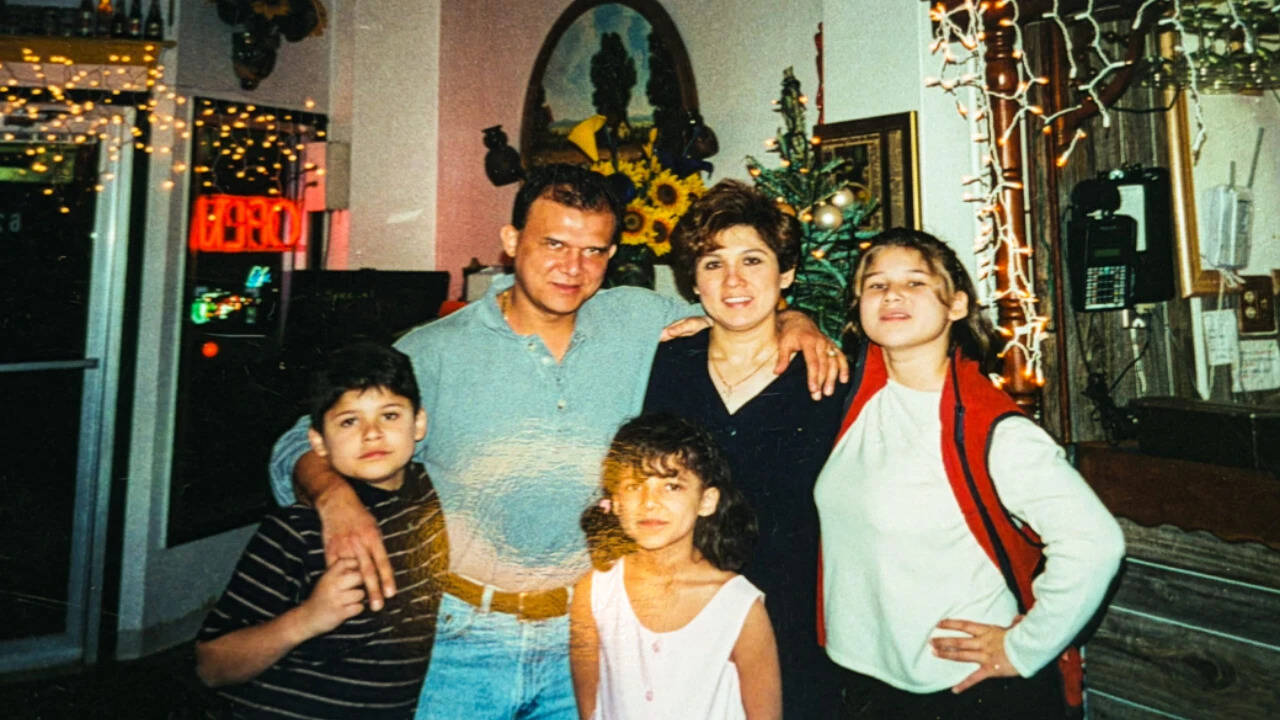
After thirty-one years of flipping tortillas, managing payroll on kitchen napkins, and watching grease stain the same stainless steel counters, Maria and Jose closed the front door of their Colorado restaurant for the very last time. The sign in the window did not announce a grand reopening, nor did it point customers toward a new location across town. It simply thanked the community for three decades of patronage, folded neatly into a quiet retirement.
In the headlines, this story was packaged as a heartwarming generational transition. The children had built careers in medicine, software engineering, and corporate law. They did not want to inherit the grueling fourteen-hour shifts, the chronic joint pain, or the volatile profit margins of independent hospitality. On paper, it looks like success. The immigrant dream realized through upward mobility.
Yet underneath the sentimentality lies a harsher economic reality that local chambers of commerce rarely acknowledge. The closure of small, immigrant-owned family restaurants after decades of operation is not just a personal retirement milestone. It marks the quiet dismantling of the backbone of local American economies. When second-generation children choose corporate stability over family legacy, Main Street loses its soul, and cities lose the cultural anchors that made them vibrant in the first place.
Independent eateries operate on razor-thin margins. Labor shortages, skyrocketing commercial lease renewals, and supply chain consolidations have transformed hospitality into a high-stakes gamble. For Jose and Maria, the math finally stopped working. When you factor in the physical toll of standing on concrete floors for decades, the decision to walk away becomes less about wanting to relax and more about survival.
The children watched their parents age prematurely under the fluorescent lights of a commercial kitchen. They saw the sleepless nights spent worrying over property taxes and municipal code changes. Upward mobility in America often requires leaving behind the grueling manual labor of the first generation. Education is the ladder, but it is also a one-way ticket away from family enterprises.
The Economics of Endurance
Run any restaurant P&L sheet from the nineteen-nineties and compare it to the ledger today. Rent has doubled or tripled in many Colorado corridors. Food costs fluctuate wildly based on weather patterns, trade agreements, and global logistics bottlenecks. Independent owners lack the purchasing power of massive chain conglomerates, meaning they absorb inflationary pressures directly into their own pockets.
Jose and Maria never hired a marketing firm. They did not need one. Word of mouth, consistent quality, and a willingness to extend credit to regular customers during hard times built their brand. But modern consumer habits have shifted decisively. Delivery apps extract thirty percent commissions from restaurants that are already struggling to retain a five percent net margin.
The traditional immigrant business model relied on unpaid or underpaid family labor to bridge the gap. Children did homework in booths while waiting for the dinner rush to slow down. They washed dishes after school and worked the register on weekends. This unpaid labor acted as a subsidy that kept prices low and doors open.
When those children grow up, graduate from university, and secure salaried positions with health insurance and paid time off, the subsidy vanishes. Hiring outside labor at competitive wages to replace family members breaks the financial model of the small neighborhood eatery.
The Cultural Cost of Consolidation
Strip away the neon signs of independent restaurants and you are left with a landscape of homogenized corporate franchises. Strip malls begin to look identical from coast to coast. The loss of a thirty-one-year-old family restaurant changes the character of a neighborhood in ways that municipal tax revenue reports fail to capture.
Food is memory. For decades, this Colorado restaurant served as a communal living room for immigrants finding their footing in a new country and locals seeking genuine connection. The walls held stories of weddings, anniversaries, and Friday night family traditions.
Corporate chains cannot replicate that atmosphere. They optimize for velocity, turnover, and standardized flavor profiles designed to offend no one and inspire no one. When a family business closes because the economics no longer support human endurance, a piece of civic infrastructure disappears.
The Myth of Easy Inheritance
There is a romantic notion that handing down a business is a privilege every child should eagerly accept. Reality is far more complicated. Running a restaurant is an omnivorous enterprise. It demands total surrender of personal time, emotional bandwidth, and physical health.
The second generation understood this intimately. They respected their parents' sacrifice, which is precisely why they chose different paths. To ask a child to sacrifice their own physical and mental well-being just to keep a family legacy alive is an unfair burden disguised as duty.
Maria and Jose did not raise their children to be trapped behind a steam table. They worked sixteen-hour days so their sons and daughters would have choices they never had. The bitter irony is that those very choices are what ultimately forced the restaurant to close.
Looking at the Ledger
As commercial real estate values continue to climb, property owners find it more lucrative to lease spaces to corporate tenants with deep financial backing. Independent operators are systematically priced out of neighborhoods they spent decades helping to build and popularize.
Cities love to market themselves as diverse culinary destinations, yet they enact policies that make independent survival nearly impossible. Permitting delays, rigid health department regulations that favor deep-pockets over mom-and-pop operations, and property tax spikes squeeze the life out of local commerce.
The closure in Colorado is repeated in every major metropolitan area and rural county across the nation. A quiet attrition is happening behind closed doors. Every time an aging couple locks up for the last time without a successor, a piece of our economic diversity dies.
The children are thriving in their new professions, living the American dream their parents envisioned. But the kitchen lights are off, the equipment is being auctioned off for pennies on the dollar, and another corner of Main Street has gone dark.