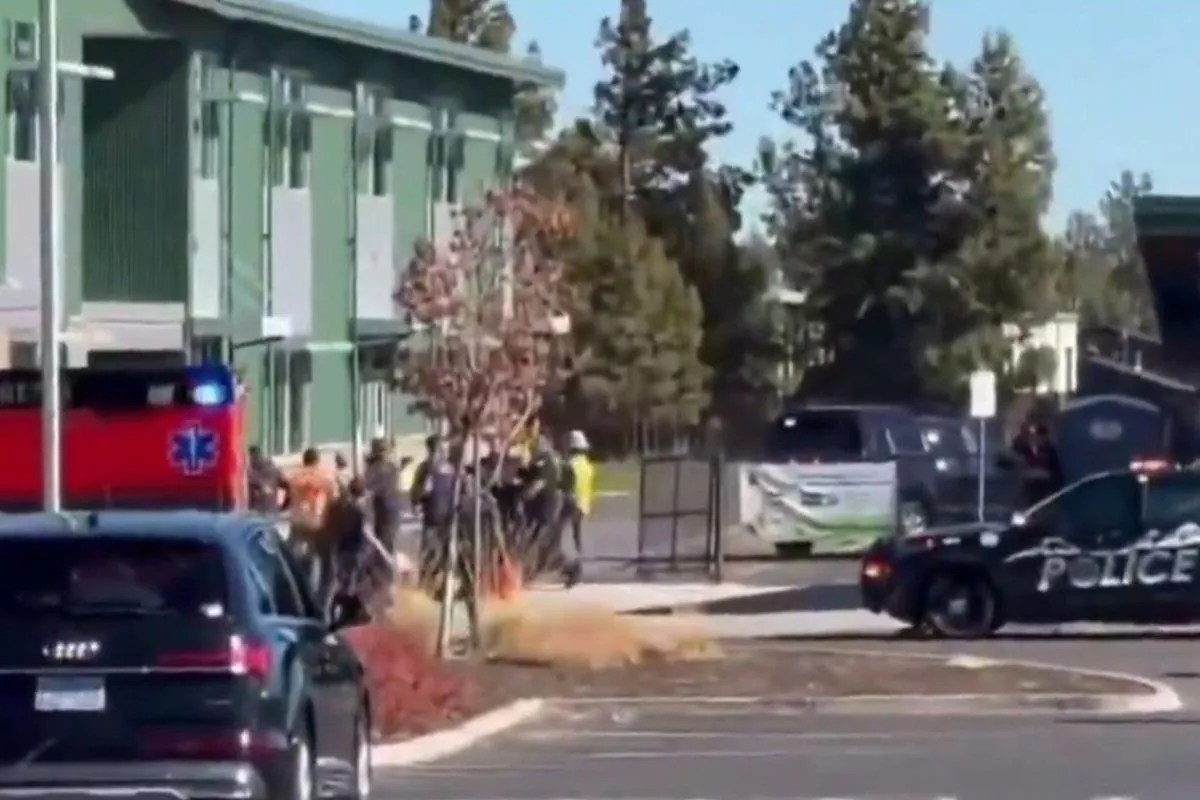
Five lives lost in a single school attack. More than 360 mass shootings recorded across the United States already this year. Those two figures sit at the center of almost every breaking news alert on American gun violence, yet reading them side by side without context creates a distorted picture of how people actually die in the country. Mass shootings draw intense national shock and camera crews, while passing the 360-incident mark has become an annual milestone tracked by groups like the Gun Violence Archive. At the same time, broader tracking shows overall shooting deaths in 2026 running below recent highs, even as school campuses and surrounding neighborhoods continue to face deadly gunfire.
After covering crime beats and public safety policy for decades, one pattern stands out above all others. Headlines treat every spike in mass shooting tallies as proof that daily street violence is spiraling upward, or treat a quiet month in one tracker as proof the crisis is fading. Neither conclusion holds up under scrutiny.
Why Counting Mass Shootings Alone Distorts Reality
Numbers do not speak for themselves. Every tally depends on the rulebook behind it.
When trackers count mass shootings, many use a threshold of four or more people shot—injured or killed, excluding the shooter—in a single event. That definition captures high-casualty public attacks, late-night street disputes, domestic shootings, and party gunfire alike. A shooting in which four people are wounded at an outdoor gathering counts in the same bucket as a classroom or workplace attack that leaves multiple people dead.
Mass shootings account for a tiny fraction of total shooting deaths in the United States, even when the annual incident count crosses 350 or 400.
Analyses of Gun Violence Archive data in 2026 show that mass shootings make up roughly 3.6 percent of tracked shooting deaths. The vast majority of gun deaths happen one by one. In finalized federal mortality figures from the Centers for Disease Control and Prevention, gun suicides consistently outnumber gun homicides by a wide margin—accounting for tens of thousands of deaths a year—while everyday interpersonal disputes and community violence drive much of the homicide toll.
There is a practical consequence to mixing these categories together. Policymakers and local leaders end up debating broad slogans instead of matching interventions to specific risks. A neighborhood dealing with retaliatory gunfire after dark needs violence interruption, lighting, and targeted policing. A school district worried about an active shooter needs access control, threat assessment teams, and mental health support. Lumping every four-victim incident into one giant bucket blurs those differences.
School Gun Violence Beyond Breaking News Alerts
School shootings command immediate national attention because children and educators are supposed to be safe behind locked doors. Yet even within school tracking, definitions vary widely depending on who compiles the list.
Some databases count any time a firearm is discharged on school property or campus grounds, regardless of whether anyone is hit or whether school is in session. Others narrow the count to K–12 campuses during school hours or events, or only incidents where at least one victim is injured or killed. Education Week's K–12 tracker, for instance, recorded 27 shootings with injuries or deaths through mid-October 2026, resulting in 17 deaths—including nine children or students and eight school employees or other adults—alongside 29 injuries.
Look closely at where those incidents happen and the picture becomes even more specific. Many shootings tied to schools occur in parking lots, outside buildings, or around after-hours events such as high school football games, rather than deep inside a classroom during a lesson. When an attack does breach a school building—such as the October 15, 2026 shooting at Silver Rail Elementary School in Bend, Oregon, where a teacher and three young children were killed—the human toll is devastating and immediate.
| Tracking Approach | What It Captures | Main Blind Spot or Caveat |
|---|---|---|
| Mass shooting trackers (4+ shot) | Public attacks, parties, street and domestic incidents with four or more victims shot | Treats a four-injury parking lot shooting the same as a multi-fatality massacre |
| K–12 school shooting trackers | Gunfire on school grounds or K–12 events, often split by casualties vs. shots fired | Counts after-hours parking lot or athletic event shootings alongside classroom attacks |
| CDC mortality statistics | Finalized U.S. death certificates across all firearm causes, including suicide and homicide | Slower publication lag than real-time incident trackers |
Understanding that split matters for school safety budgets. Buying metal detectors or panic buttons without fixing perimeter access, staff training, and follow-through on warning signs creates a false sense of security. A locked door only works if staff enforce access rules consistently and visitors cannot slip in behind someone else.
Two Conflicting Trends in 2026 Gun Data
Anyone watching the numbers in 2026 faces a sharp contrast. Across the first three quarters of the year, overall shooting deaths tracked by the Gun Violence Archive ran lower than in many recent years—with Q1 and Q3 both posting multi-year lows in shooting fatalities. Criminologists and public safety researchers have pointed to a broader multi-year cooling in violent crime after the pandemic-era surge, alongside shifts in policing, community programs, and social routines.
At the same time, mass shooting totals have stayed high, and estimated firearm sales edged upward in 2026 after years of cooling from pandemic peaks.
Why can total shooting deaths fall while mass shooting counts remain above 350? Because mass shootings are statistically rare events. A handful of high-casualty weekends or clusters of four-person shootings can push an incident counter past 360 or 400 without reversing a broader decline in everyday street homicides.
A decline in overall gun deaths is real progress, not a finished job—especially when a single school or community attack can still erase years of local calm in minutes.
There is also a gray area that advocates on both sides often gloss over. Researchers who study gun policy and violence prevention frequently note that no single measure solves every form of gun harm. Tightening background checks, enforcing safe storage, expanding extreme risk protection orders, funding community violence intervention, and improving behavioral health access address different links in the chain. Claiming one silver bullet will end mass shootings ignores how complex these tragedies are; claiming nothing works ignores places that have driven down shootings through sustained local effort.
What Actually Moves the Needle on Prevention
If you want to judge whether a community or school district is serious about safety, skip the press releases and look at daily execution.
Consider a hypothetical school district that spends millions on surveillance cameras and active-shooter drills, yet has no clear protocol when a student posts threatening messages online or stops attending class for weeks. Threat assessment only works when teachers, counselors, parents, and local law enforcement share information early and follow a structured review process. Warning signs are rarely secret in hindsight; they are usually scattered across different people who never connect the dots.
At the community level, the most durable gains come from focused prevention rather than scattershot panic. Cities that have brought down shootings have often paired targeted enforcement against repeat violent offenders with street outreach that interrupts conflicts before shots are fired. Meanwhile, safe storage at home remains one of the most direct ways to keep firearms away from children in crisis or teens acting on impulse, yet storage habits lag far behind gun ownership.
Hard numbers—five dead in a school attack, more than 360 mass shootings in a year—should never numb us into fatalism. Track the specific type of violence happening in your own city and schools, demand verifiable prevention systems rather than theater, and hold local leaders accountable to measurable safety outcomes.