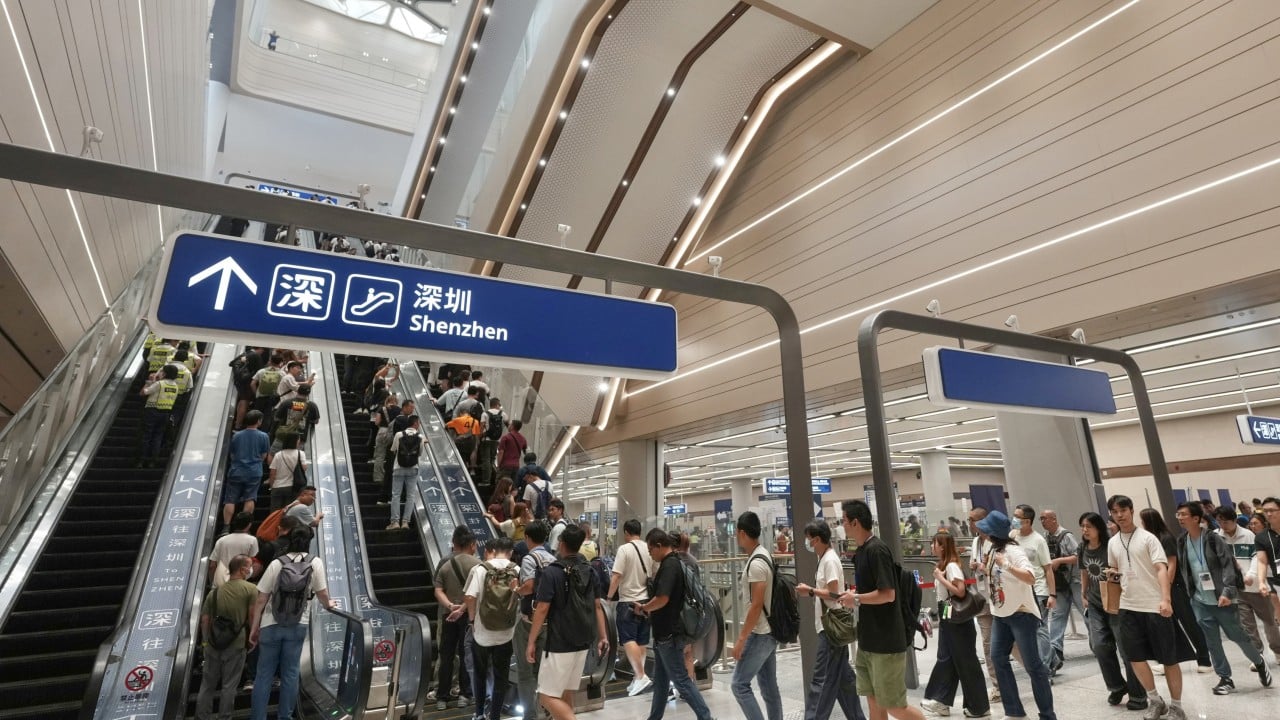
European municipal administrations face a structural contradiction. Cities like Barcelona, Venice, and Palma de Mallorca deploy tourist taxes, restrict short-term rentals, and implement cruise ship bans to suppress urban visitor volume, while national aviation authorities simultaneously approve multi-million-passenger airport terminal expansions. This friction exposes a misalignment between localized urban governance and centralized macroeconomic infrastructure planning. Resolving this paradox requires examining the conflicting fiscal incentives, jurisdictional fragmentations, and economic feedback loops that drive physical capacity growth despite political opposition to mass tourism.
The Jurisdictional Split and Decision-Making Asymmetry
The primary driver of airport expansion amidst municipal overtourism is the division of regulatory authority. European cities operate as municipal entities responsible for public services, housing stock, sanitation, and resident quality of life. Airports, however, are typically managed by national state-owned agencies or private-public consortia—such as Aena in Spain or Save in Venice—operating under mandates tied to national GDP growth, international trade connectivity, and shareholder return. If you liked this post, you should read: this related article.
Municipal governments absorb the negative externalities of high visitor volumes—such as housing inflation, strained municipal waste systems, and public space congestion. Conversely, national operators capture the positive cash flows generated by landing fees, retail concessions, and passenger service charges. Because the municipal budget absorbs the social costs while national or corporate balance sheets collect the revenue streams, institutional incentives diverge completely. An airport expansion that adds structural capacity to process twenty million annual passengers is evaluated by national planners as a successful capital allocation project, regardless of whether the destination municipality possesses the urban carrying capacity to host those arrivals.
The Fiscal Mechanics of Airport Capital Expenditure
Aviation infrastructure is capital-intensive, financed through long-term debt instruments and amortized over multi-decade horizons. Airport operators construct terminal expansions not to induce arbitrary foot traffic, but to optimize asset utilization and satisfy statutory service-level agreements with airlines. For another angle on this event, see the recent coverage from AFAR.
When passenger demand approaches terminal capacity thresholds, airports face two operational constraints:
- Slot Saturation: Airlines lose scheduling flexibility, leading to hub inefficiencies and suppressed carrier growth.
- Non-Aeronautical Revenue Compression: Modern airports derive a significant percentage of operating profit from retail space, parking, and hospitality concessions. Capped passenger volumes translate directly into capped non-aeronautical yield.
National economic ministries view these constraints as structural bottlenecks to national competitiveness. Consequently, airport master plans are projected on forward-looking demographic and macroeconomic demand curves rather than localized municipal sentiment. The financial architecture of air transport makes stagnation equivalent to devaluation in a competitive global aviation market.
The Failure of Demand Suppression Mechanisms
Municipal interventions aimed at reducing tourist density operate primarily on the demand side of the economic equation, while airport expansions alter the supply side. Standard municipal tools—tourist taxes, nightly accommodation caps, and zoning restrictions—produce limited containment effects because they misprice the marginal cost of travel.
A nominal tourist tax of three to five euros per night fails to deter budget airline passengers whose base airfare is twenty euros. The elasticity of demand for short-haul European leisure travel is low relative to minor incremental taxes. As a result, municipal levies function primarily as revenue-generation instruments for local governments rather than effective deterrents to arrivals.
Meanwhile, low-cost carriers leverage expanded airport capacity to increase flight frequency and open new routes. When airport throughput increases, airlines respond by lowering seat costs through scale economies, counterbalancing municipal efforts to make destinations more expensive to visit. The supply-side expansion neutralizes the friction introduced by demand-side municipal policies.
The Macroeconomic Addiction to Aviation Yield
National governments tolerate the disconnect between local protests and airport expansions because the aviation sector anchors regional employment and foreign exchange inflows. The macroeconomic contribution of an expanded airport includes:
- Direct employment in ground handling, maintenance, and air traffic control.
- Indirect supply-chain demand across hospitality, catering, and logistics sectors.
- Induced economic activity from business travel and foreign direct investment linked to direct flight routes.
National finance ministries weigh these quantifiable economic indicators against qualitative metrics of urban livability. Because GDP growth metrics prioritize transaction volume over social equity or resident retention, national authorities consistently prioritize infrastructure scaling. The structural pressure to maintain international hub status overrides local concerns regarding neighborhood displacement or rent appreciation.
Strategic Realignment for Destination Governance
Resolving the friction between municipal overtourism policies and national airport expansion requires shifting from reactive containment to integrated spatial planning. Traditional friction will persist unless governance frameworks incorporate cross-jurisdictional veto powers or dynamic capacity caps tied to municipal environmental thresholds.
Urban centers attempting to manage visitor flows must transition from blunt administrative prohibitions—such as blanket rental bans that trigger legal challenges—to synchronized infrastructure metrics. Until national transport policy and municipal destination management share unified key performance indicators, airports will continue expanding to intake volume that the host cities are actively trying to reject.