Airport malaria is an accidental infection contracted not by traveling to a tropical zone, but simply by standing near an international flight tarmac, a cargo terminal, or the baggage claim of a major metropolitan airport. When two workers at Frankfurt Airport fell severely ill with severe malaria without ever leaving Germany, public health authorities realized that the traditional boundaries of tropical disease epidemiology had fundamentally shifted. Mosquitoes do not check passports. They stow away in the pressurized wheel wells of wide-body jets, slip through cargo hold doors during unloading, or survive the long-haul flight inside climate-controlled passenger cabins.
For decades, public health messaging relied on a simple formula. If you did not step foot in sub-Saharan Africa, South Asia, or parts of South America, your risk of contracting malaria sat at absolute zero. That comforting certainty is gone. International trade routes and high-frequency aviation have turned transportation hubs into unexpected vector entry points. The Frankfurt incident was not an isolated freak occurrence. It was a glaring warning sign about how global supply chains and hyper-dense air traffic networks inadvertently transport biological threats across continental divides.
The Vector Transport Mechanism
How does an African malaria mosquito survive a trans-Atlantic or trans-continental flight? The answer lies in the physics of modern commercial aviation and the biology of the insect itself.
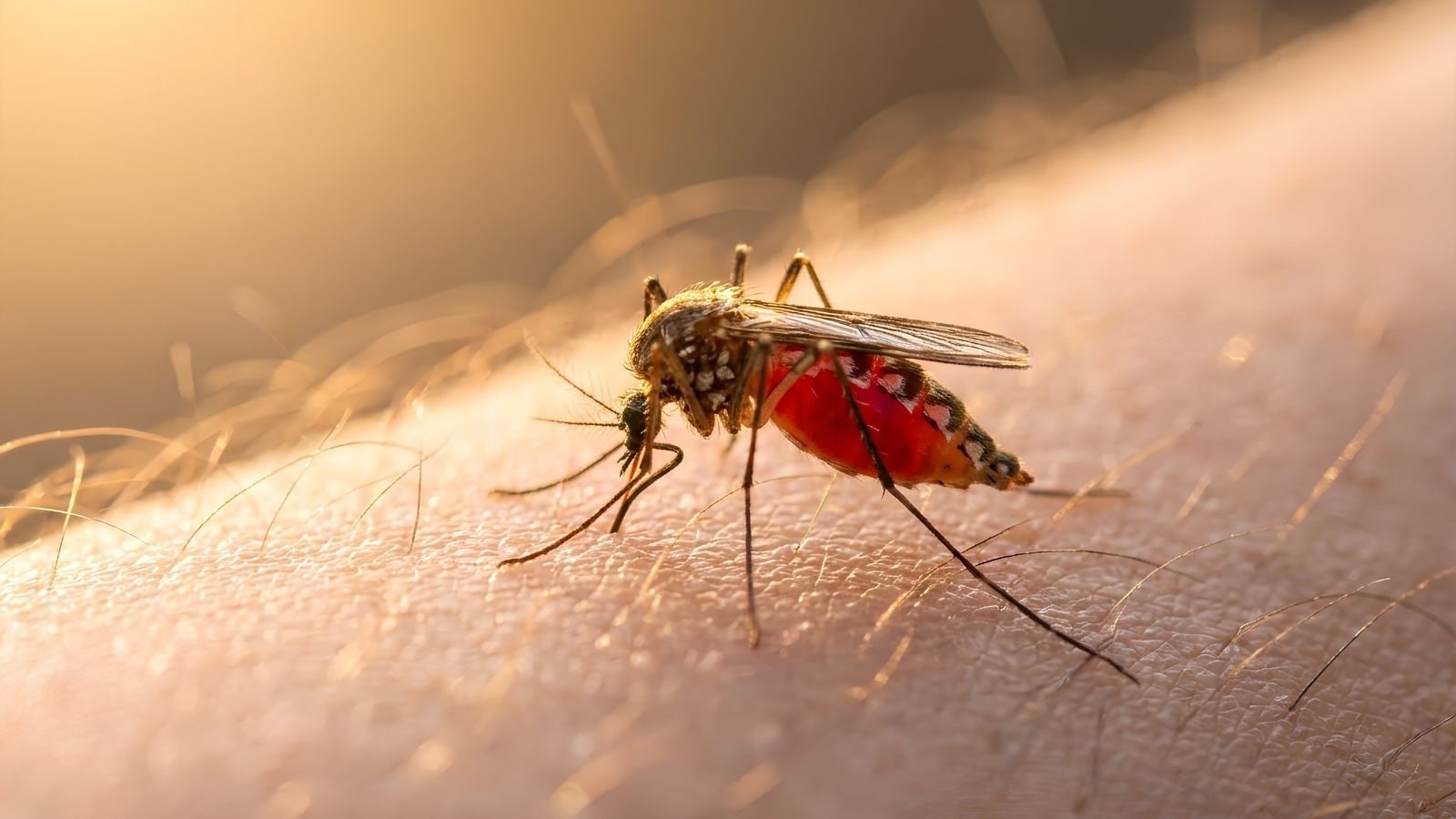
When a wide-body aircraft sits parked on a tarmac in a malaria-endemic region during dusk or dawn, Anopheles mosquitoes actively seek shelter from the heat or wind. They fly into open cargo holds, passenger boarding bridges, or the complex mechanical recesses of the aircraft exterior. Once inside, the temperature and humidity levels inside cargo compartments often remain hospitable during flight. While high-altitude cruising conditions are freezing and depressurized, specific zones within the aircraft remain insulated enough to protect hardy vectors.
Upon landing at a destination thousands of miles away, the aircraft doors swing open. The cargo is unloaded. Baggage handlers, ramp agents, and logistics workers step into the immediate vicinity of the aircraft shell. If an infected mosquito has survived the journey, its first meal opportunity happens right there on the concrete tarmac of a non-endemic country.
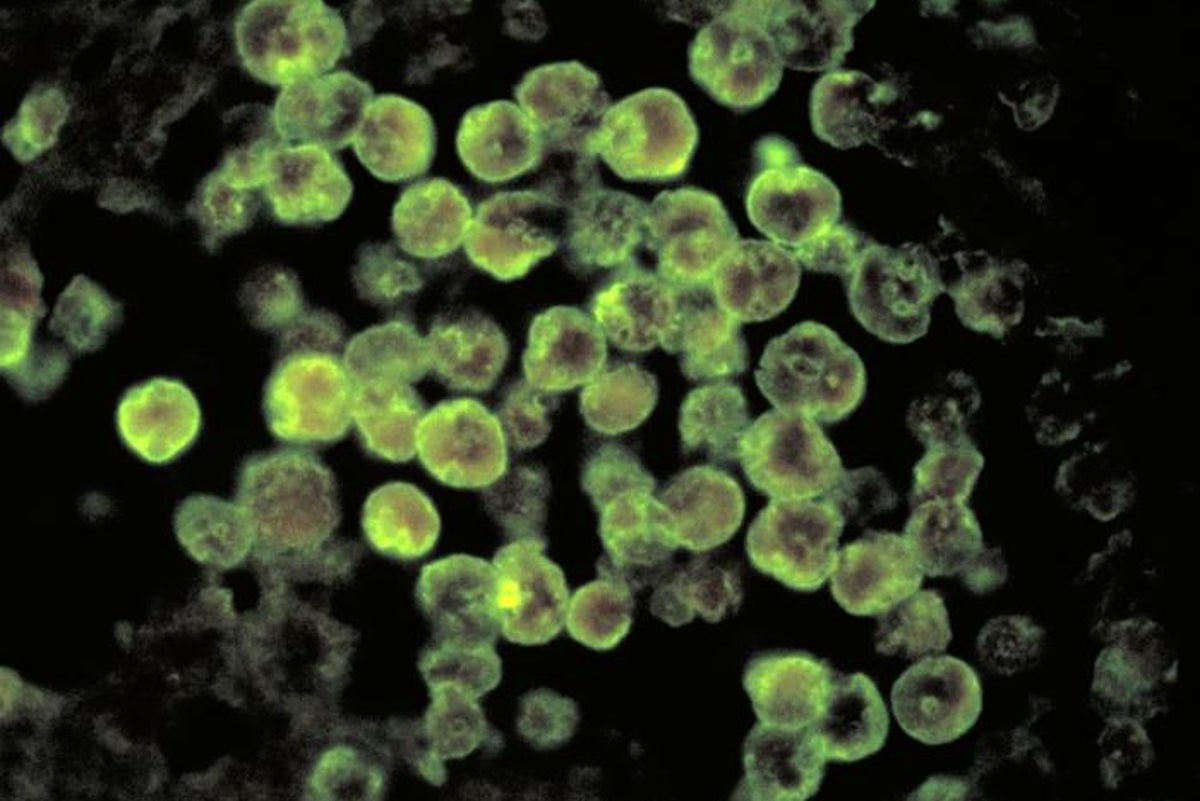
Vector biologists point out that these hitchhiking mosquitoes are often referred to as baggage malaria or airport malaria cases, but the biological reality is precise. These are local transmission events triggered by imported vectors. The mosquito arrives carrying the Plasmodium parasite, bites a local worker whose only exposure is their daily shift, and initiates an infection cycle thousands of miles away from any natural habitat.
Occupational Hazards on the Tarmac
Airports are massive, bustling ecosystems operating twenty-four hours a day. They are also unique ecological niches. Standing water collects in poorly drained areas near cargo facilities, construction zones, and stormwater management systems surrounding massive concrete runways.
Ramp workers and baggage handlers operate under immense physical stress, often wearing lighter, breathable clothing that offers little protection against insect bites during humid summer nights. When an international flight arrives from a high-risk zone, the immediate unloading zone becomes a localized hotspot for potential vector release.
Industry safety protocols have traditionally focused on physical hazards like jet blast, heavy machinery, and hearing protection. Biological hazards rarely made the primary safety checklist. Workers are rarely trained to recognize the signs of mosquito-borne illness, nor do they associate a sudden fever and body aches with their shift at the cargo terminal.
Medical professionals face a diagnostic barrier as well. When a patient walks into a clinic in Frankfurt, London, or New York presenting with high fevers, chills, and fatigue, local physicians test for influenza, respiratory infections, or standard bacterial pathogens. Malaria sits at the absolute bottom of a Western doctor's differential diagnosis list if the patient denies recent international travel. That diagnostic delay can turn fatal in a matter of days.
Regulatory Lags and Global Oversight
International aviation is governed by strict sanitary regulations, primarily overseen by the World Health Organization through the International Health Regulations. Aircraft disinsection—the procedure of spraying or treating aircraft cabins with insecticides to kill hidden insects—is mandatory for certain flight routes originating in high-risk regions.
However, compliance and enforcement remain inconsistent. Airlines push back against mandatory chemical treatments due to passenger complaints, potential damage to interior materials, and turnaround time delays at busy gates. Furthermore, disinsection protocols frequently target passenger cabins while completely ignoring cargo holds, wheel wells, and avionics bays where mosquitoes are equally likely to roost.
Port health authorities have faced budget cuts and staffing reductions over the past two decades. Routine inspections of incoming cargo aircraft have become spot-checks rather than comprehensive sweeps. As global trade volume surges and cargo flights outpace passenger growth, the sheer volume of incoming tonnage makes physical inspection of every aircraft virtually impossible.
The regulatory framework assumes that vectors respect national borders and quarantine checkpoints. They do not. Climate change is expanding the geographic range where Anopheles mosquitoes can survive and breed outside the tropics, meaning that an imported mosquito landing in a temperate European or North American city now finds a local environment increasingly capable of sustaining it.
Rethinking Biosecurity at Aviation Hubs
Protecting aviation workers requires a complete overhaul of how major transport hubs approach environmental health. Relying on post-infection treatment is a failing strategy. Prevention must start at the structural level.
Airports situated near potential vector breeding grounds need aggressive integrated pest management programs. This includes rigorous larvicide applications in standing water around cargo bays, automated insect traps near terminal gates, and real-time entomological surveillance to detect invasive mosquito species before they bite humans.
Airlines must modernize their disinsection techniques, shifting toward automated, residue-free treatments applied during pre-flight boarding or leveraging non-toxic biological controls that do not disrupt turnaround schedules.
Worker education is equally urgent. Tarmac personnel, cargo handlers, and maintenance crews must be informed about the risks of local vector exposure. Providing subsidized insect repellent, mandating protective clothing during night shifts, and issuing medical alert cards to workers can drastically reduce the time between symptom onset and correct diagnosis.
When an airport worker falls ill from an insect that crossed an ocean inside a cargo bay, the safety illusion of geography shatters. Globalized trade brings the world to our doorstep, including the microscopic pathogens that ride along in the dark. Ignoring the threat means waiting for the next preventable tragedy on the tarmac.