The spotlight is a hungry thing. For Nathan Chasing Horse, it first flickered to life in the vast, golden grasslands of South Dakota, where he played the young Smiles A Lot in the 1990 epic Dances with Wolves. He was just a boy then, a face that came to represent a specific, cinematic version of Indigenous pride to millions of viewers. But when the cameras stopped rolling and the trailers were towed away, the light didn't fade for Chasing Horse. He simply learned how to carry it with him, turning the glow of a Hollywood credit into a blinding halo of spiritual authority.
Power is rarely seized in a single, violent moment. It is cultivated. It is whispered into the ears of the vulnerable until it sounds like gospel. Chasing Horse didn't just walk away from a film set; he walked into a role that would last decades, rebranding himself as a medicine man, a prophet, and a leader of a society he called "The Circle."
For twenty years, he traded on his lineage and his IMDb page to build a kingdom. On the surface, it looked like a return to tradition—a sanctuary for those seeking a deeper connection to their heritage. Beneath that veneer, it was a closed loop of control, psychological manipulation, and systematic abuse.
The Architecture of a Cult
Imagine the quiet desperation of someone looking for a home. Not a house with four walls, but a sense of belonging in a world that feels increasingly fractured. This is where the predator finds his soil. Chasing Horse targeted women and girls who were searching for spiritual healing. He offered them a seat at a sacred table, provided they accepted him as the ultimate arbiter of their reality.
He claimed to communicate with the spirits. He told his followers that he was a conduit for the divine, a status that placed him above the laws of men and the boundaries of consent. In the quiet of his North Las Vegas home, which served as the headquarters for his sect, the "medicine" he offered was poison.
Court documents and victim testimonies paint a harrowing picture of what happened behind those closed doors. It wasn't just physical assault. It was the methodical stripping away of an individual's autonomy. He took "wives"—some as young as thirteen—under the guise of spiritual unions. He filmed these acts, creating a library of leverage that ensured silence. He didn't just hurt these women; he tried to own their stories.
The Long Walk to Justice
The bravery required to dismantle a god is immense. For the survivors, the trial wasn't just about a sentencing; it was a reclamation. For years, they lived in a shadow cast by a man who convinced them that their pain was a necessary part of a higher plan. Breaking that spell meant facing not only their abuser but the community that had, in many cases, enabled him.
The legal system is often criticized for its coldness, its reliance on dry procedure and rigid timelines. Yet, in a courtroom in Nevada, that coldness became a tool for clarity. The facts were laid bare, stripped of the mystical jargon Chasing Horse used to shield himself. The evidence—the videos he recorded himself, the detailed accounts of survivors spanning two decades—created a weight that no amount of spiritual posturing could lift.
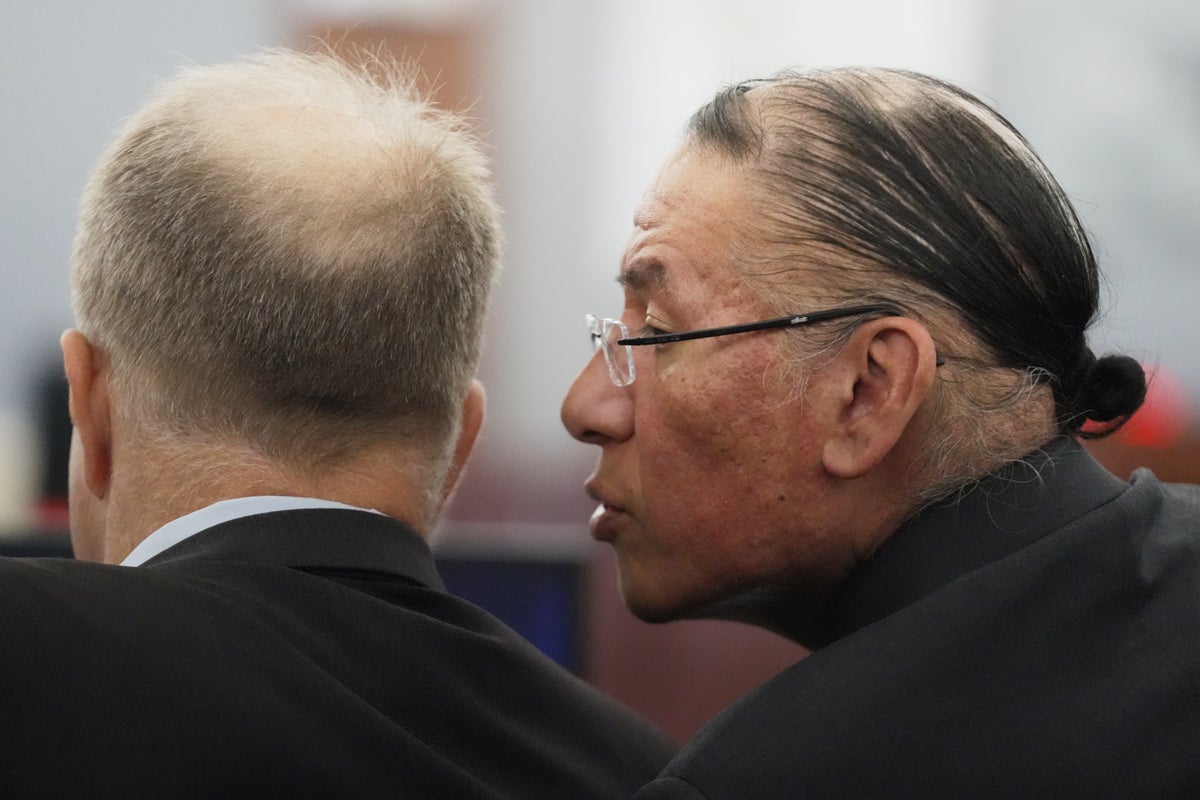
Earlier this year, the gavel finally fell. Nathan Chasing Horse was sentenced to a term that ensures he will spend the rest of his life behind bars. The man who once played a character named Smiles A Lot looked on as his manufactured divinity evaporated.
But the story doesn't end with a prison cell door clicking shut.
The Echoes of the Circle
Consider the cost of a stolen identity. When a leader uses faith as a weapon, the injury goes deeper than the flesh. It creates a spiritual vertigo. Survivors often talk about the "de-programming" phase, where they have to relearn how to trust their own senses. Was that a sign from the spirits, or was it a trick of the light he orchestrated? Was I chosen, or was I hunted?
The fallout ripples through the families and the broader Indigenous communities where Chasing Horse sought his recruits. There is a specific kind of betrayal involved when someone weaponizes cultural trauma to inflict more trauma. He used the very tools meant for healing—the ceremonies, the language, the history—to build a cage.
He relied on the "Red Road" to provide a path for his predations. By positioning himself as a guardian of sacred traditions, he made his victims feel that to question him was to question their ancestors. It was a brilliant, cruel strategy. It forced women to choose between their safety and their identity.
The Silence is Breaking
The conviction of Chasing Horse is a landmark, but it is also a mirror. It forces a conversation about the "charismatic leader" trope that permeates so much of our culture. We love a comeback story. We love a person who claims to have the answers to life’s most grueling questions. We are often so eager to believe in a hero that we ignore the red flags waving in our faces.
The survivors who stood up in that courtroom were doing more than testifying against one man. They were dismantling an entire system of silence. They were proving that no one, regardless of their fame or their perceived spiritual standing, is untouchable.
The "Circle" has been broken, but the people who were inside it are still there, picking up the pieces. They are mothers, daughters, and sisters who are now tasked with the heavy work of rebuilding a faith that was used against them. They are the true protagonists of this story.
Justice, in this case, isn't a feeling of joy. It’s a feeling of gravity. It is the weight of the truth finally settling into place after years of floating in a void of lies. Chasing Horse will grow old in a concrete room, stripped of his regalia, his cameras, and his audience. He is no longer a star, a prophet, or a god. He is a number.
The light has shifted. It no longer shines on the man on the stage, but on the faces of the women who walked out of the darkness and into the sun. They are the ones who survived the actor, the cult, and the lie. Their voices are the only ones left that matter.