Singapore’s multibillion-dollar financial cleansing operation has run into a stubborn, inconvenient obstacle: the open market refuses to panic-buy criminal leftovers. While headlines celebrate early inventory clearances—such as initial online accessory sales netting over S$1.1 million (roughly US$862,000)—the broader liquidation of the island nation's historic S$3 billion money laundering scandal reveals a starkly different reality. High-end real estate and elite luxury goods are not moving effortlessly from confiscated status back into the legitimate economy. Instead, the multi-agency auction rollout managed by Deloitte Singapore is exposing the profound friction of trying to monetize illicit fortunes in a cooling, hyper-scrutinized property environment.
When law enforcement officers breached luxury Good Class Bungalows and pristine condominiums in August 2023, they captured a glittering cross-section of global conspicuous consumption. Piling up inside evidence lockers were limited-edition Hermès Kelly bags, uncirculated gold bars, fine timepieces, and prime residential units in developments like Gramercy Park and Wallich Residence. Yet, turning those seized items back into state revenue is proving to be a masterclass in market resistance. The initial property auctions saw flagship assets—including prime penthouses and central office spaces—fail to meet their reserve prices or draw zero bids entirely. You might also find this connected story insightful: The Unit Economics of Heritage Agriculture Scaling Joe Thomas and Hall of Fame Farms.
The mechanics of state liquidations are fundamentally misaligned with traditional buyer psychology. Appointed auction houses operate under strict judicial and fiduciary mandates to protect public value, meaning reserve prices are anchored closely to independent market valuations prior to the raids. But these valuations were often minted during the peak frenzy of capital inflows that these exact criminal networks helped inflate. Prospective buyers, fully aware that the state is an eager seller, are holding back. They are demanding distressed-asset discounts that the government, legally bound to recover maximum value for the public purse, simply cannot accommodate.
Compounding this pricing standoff is the psychological shadow cast on the properties themselves. In a tight-knit housing market like Singapore, luxury buyers are acutely sensitive to provenance. Acquiring a condominium unit or a sprawling office floor previously used as a node for transnational illicit proceeds introduces a reputational risk that many affluent buyers prefer to bypass entirely. Real estate agents report that while foot traffic at public viewings is high—driven largely by morbid curiosity and industry insiders—actual capital deployment remains timid. As reported in latest reports by The Wall Street Journal, the implications are worth noting.
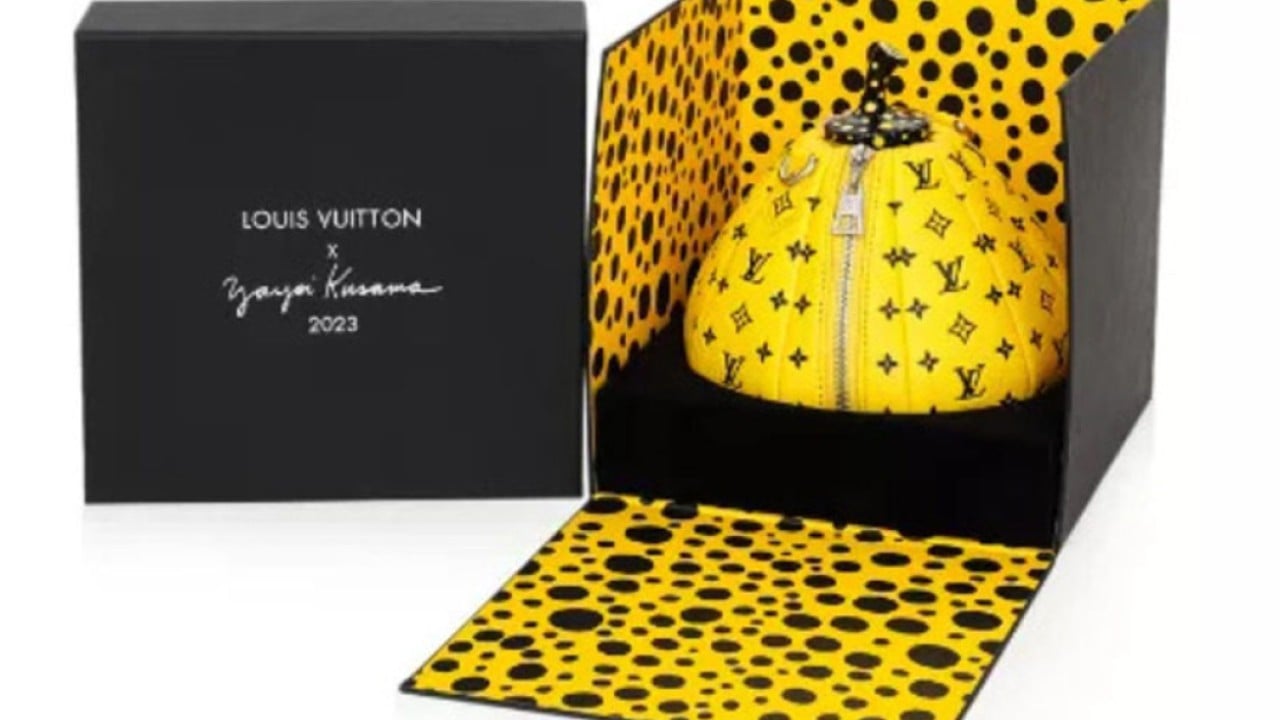
Beyond real estate, the strategy of pushing thousands of designer bags, watches, and jewelry pieces through timed online-only platforms highlights a different structural constraint: market saturation. Serial auctions spanning months risk cannibalizing their own demand. When hundreds of pristine, high-end luxury assets hit the secondary market simultaneously, they create an artificial local glut that depresses realization values. Collectors and secondary dealers know that another batch is right around the corner, dampening the urgency required to drive competitive bidding wars.
The state’s approach also forces a reckoning with how financial crimes are remediated at scale. Recovering billions on paper is a clean administrative victory; converting those assets into hard cash without distorting local market indices or taking deep valuation haircuts is an entirely different operational hurdle. Judicial liquidators are discovering that prestige assets do not retain their aura when stamped with court-ordered forfeiture notices.
As the liquidation schedule rolls forward through the coming months, the ultimate metric of success will not be the ceremonial fanfare of early milestone tallies. It will be the net recovery rate after factoring in years of holding costs, maintenance fees for empty luxury properties, and administrative overhead. The illusion of an easy financial recovery is evaporating under the harsh glare of auction room silence.