The political class is screaming about a ghost.
With the latest declassified intelligence drop alleging that China compromised 220 million American voter files, we have entered yet another cycle of predictable, exhausting theater. On one side, partisan voices declare this is the ultimate proof of a stolen, compromised democratic infrastructure. On the other, mainstream apologists yawn, wave their hands, and assure us that voter registration lists are mostly public anyway, so there is absolutely nothing to worry about.
Both sides are completely, embarrassingly wrong.
They are arguing over whether the front door was kicked down while the back wall of the house does not even exist. The hyper-fixation on the word "stolen" or "compromised" is a brilliant distraction from a much more terrifying reality. The Chinese Communist Party did not need to pull off the heist of the century to get their hands on your political preferences, your phone number, and your home address.
They could have just bought it. Or scraped it. Legally.
The Public Data Myth and the Redundancy of "Thefts"
I have spent years looking at the plumbing of campaign data infrastructure. When political consultants and media talking heads claim that voter files are "just public records," they are showing their profound ignorance.
Yes, your state government keeps a registry of whether you are a Republican, Democrat, or Independent. But a raw state voter file is practically useless on its own. It is a flat list of names and addresses.
The real magic—and the real danger—happens when that flat list is handed over to commercial data brokers. These private firms append thousands of data points to your voter profile:
- Your credit card transaction history.
- Your real-time location data harvested from free weather apps on your phone.
- Your search queries, health anxieties, and preferred media diets.
These highly enriched, hyper-targeted voter dossiers are sold openly on the commercial market. While federal law technically restricts foreign adversaries from buying certain defense-sensitive materials, the commercial data brokerage industry in the United States is essentially a wild west.
China’s dedicated data exploitation units do not need to exploit a zero-day vulnerability in an election server to profile you. They can simply set up shell companies, buy commercial datasets, scrape public social media profiles, and stitch the tapestry of your life together themselves. Calling this a "theft" is like accusing someone of stealing water from an open, raging river.
Why Changing Votes is Yesterday's War
Mainstream security experts love to point out that "no actual votes were changed" in the 2020 election cycle. They treat this as a comforting shield.
"The systems are safe," they chant, "because the tabulation machines are not connected to the internet."
This is an outdated way of thinking about conflict. If you are an adversarial superpower looking to cripple the United States, you do not want to hack a voting machine to flip a vote from Red to Blue or Blue to Red. Doing so is clumsy. It leaves a digital paper trail, triggers audits, and risks uniting a divided nation against a common foreign enemy.
Instead, you use the voter files to map the psychological vulnerabilities of the population.
By analyzing 220 million detailed profiles, an adversary can pinpoint exactly which 50,000 independent voters in key swing counties are highly susceptible to specific conspiracy theories or outrage-inducing narratives. You do not change the votes on the machine; you change the minds of the people who walk into the voting booth. Or better yet, you convince them that the system is so thoroughly rigged that they should just stay home.
The weapon is not a line of malicious code targeting a database. The weapon is micro-targeted cognitive warfare, fueled by the very data our legal system allows private companies to hoard and sell daily.
The Downside of the Solution Nobody Wants to Face
If we actually wanted to fix this, the path forward would be incredibly painful for the entire political establishment.
Securing American voter data would require passing federal privacy laws so draconian that they would decimate the business models of Meta, Google, and the thousands of data brokers operating in the shadows. It would also mean banning political campaigns from building their own massive voter-tracking databases.
Neither party wants that.
Democrats and Republicans alike rely on this exact same predatory surveillance apparatus to run their campaigns, target their donors, and rally their bases. They love the data when they are using it to manipulate you, but they feign absolute shock and horror when they find out a foreign adversary is using the exact same playbook.
The hard, unpalatable truth is that our political system is built on the systematic exploitation of personal data. As long as we allow our personal lives to be packaged, commodified, and sold to the highest bidder, foreign intelligence agencies will always have a front-row seat to our elections.
Stop panicking about the "largest compromise of election data in history". The compromise happened decades ago when we decided that personal privacy was a fair price to pay for free shipping and algorithmic convenience.
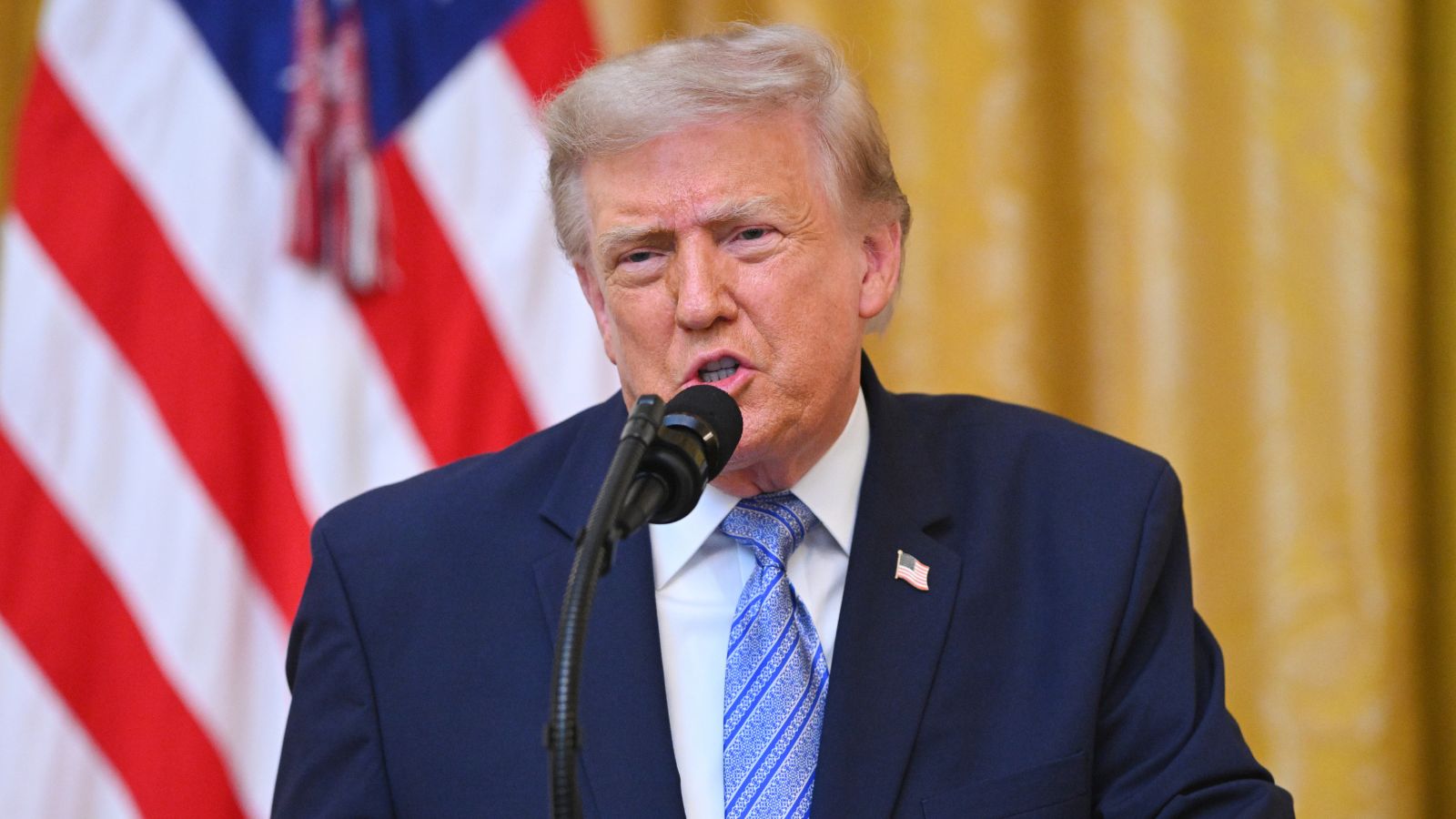
For a deeper dive into the official claims and the political theater surrounding this intelligence release, watch this report on Trump's claims that China stole 220 million US voter files, which details the exact claims made during the national address and the immediate political fallout.